








The Annual Script of Chaos
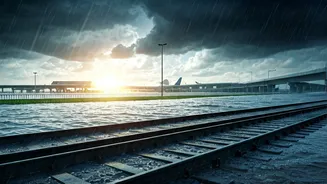
Every year, the scene is painfully familiar. The monsoon arrives, and within hours, major Indian cities like Mumbai, Bengaluru, Delhi, and Chennai are brought to a standstill. [3, 23] Images of submerged vehicles, waterlogged neighbourhoods, and citizens
wading through knee-deep water become headline news. [5] On June 24-25, 2026, Mumbai received over 200mm of rain in just 24 hours, exposing the city's monsoon preparedness after just one heavy downpour. [21] This annual disruption isn't just an inconvenience; it's a predictable system failure. It highlights a critical disconnect between the cultural celebration of rain and the stark reality of our cities’ inability to manage it. [14] The romanticised 'vibe' of the monsoon consistently collides with the harsh consequences of inadequate urban infrastructure. [3]
Why Our Cities Can't Cope
The root of the problem isn't just heavy rain; it's decades of poor planning. [16] Many urban drainage systems are colonial-era relics, designed for much smaller populations and lower rainfall intensities of just 12-20 mm per hour. [5, 2] Today, with climate change causing more intense, short-duration cloudbursts, these systems are simply overwhelmed. [3] This is compounded by rampant, unplanned urbanisation. We have systematically replaced porous, natural surfaces with concrete and asphalt, which prevent rainwater from seeping into the ground. [5, 7] Furthermore, natural flood buffers like lakes, wetlands, and floodplains have been encroached upon or filled to make way for construction. [2, 7] Bengaluru, for instance, lost 80% of its lakes to encroachment, directly contributing to its flooding issues. [2] Clogged drains, filled with plastic waste and silt, further reduce the already insufficient capacity of our stormwater networks. [5, 7]
The Steep Price of Inaction
Treating urban flooding as a mere seasonal hassle ignores its severe economic and public health costs. The 2015 Chennai floods caused damages exceeding ₹15,000 crore. [2] Without significant changes, annual losses from stormwater-related flooding in India are projected to hit $5 billion by 2030. [19] Economically, floods paralyze transportation, damage infrastructure, and disrupt businesses. [3] The public health crisis that follows is equally alarming, as contaminated floodwaters become breeding grounds for diseases like cholera, dengue, and leptospirosis. [2] These impacts are not felt equally; it is often the residents of low-lying informal settlements who are disproportionately affected, losing homes and livelihoods with every flood. [2, 18]
Planning for a 'Sponge' Future
The good news is that solutions exist, and they involve working with nature, not against it. The most promising approach is the 'Sponge City' concept, which aims to make urban areas more permeable. [6, 13] Instead of quickly funnelling all rainwater away through drains, a sponge city uses a network of green infrastructure to absorb, clean, store, and slowly release it. [8] This includes building permeable pavements, creating rain gardens, restoring urban wetlands, and mandating rainwater harvesting. [15] These nature-based solutions don't just mitigate floods; they also help recharge depleted groundwater, reduce the urban heat island effect, and create green public spaces. [8, 15] Cities like Chennai are already taking steps, having built dozens of 'sponge parks' designed to absorb and hold rainwater, turning a liability into a resource. [6, 12]