






The Search for the Perfect Snack
We’ve all been there. It’s 4 p.m., your energy is flagging, and you reach for a quick snack. Often, that means a packaged energy bar that promises health and vitality. But a quick glance at the ingredients list can be disappointing, revealing a cocktail
of refined sugars, artificial sweeteners, and unpronounceable additives. In reality, many commercial energy bars are little more than glorified candy bars. This is where the concept of “clean eating” comes in. It’s not a restrictive diet but a simple philosophy: choose whole, unprocessed, and nutrient-rich foods. For those of us looking to fuel our bodies without the junk, making snacks at home is the ultimate power move. It gives you complete control over what you consume. And now, there's a way to make your homemade energy bars not just cleaner, but significantly more nutritious.
Rediscovering Ragi, Our Local Superfood
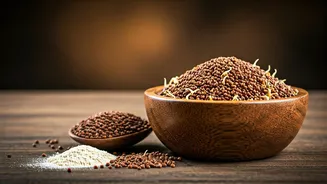
Before quinoa and kale became global sensations, Indian kitchens had their own roster of superfoods. At the top of that list is ragi, or finger millet. This humble grain has been a staple in parts of India for centuries, and for good reason. Ragi is a nutritional powerhouse. It is one of the best plant-based sources of calcium, crucial for bone health. It’s also rich in iron, which helps combat fatigue, and packed with dietary fibre, which aids digestion and promotes a feeling of fullness. Furthermore, ragi has a low glycemic index, meaning it releases sugar into the bloodstream slowly. This provides sustained energy, preventing the sharp spikes and subsequent crashes associated with sugary snacks. Being naturally gluten-free, it’s an excellent choice for those with gluten sensitivities or anyone looking to diversify their grain intake.
The Magic of Sprouting
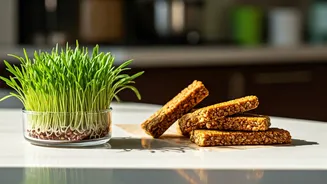
So, ragi is already great. How can it get better? The answer lies in a simple, ancient process: sprouting. When you sprout a grain, you are essentially waking it up from its dormant state, initiating the germination process. This biological activation unlocks a wealth of nutritional benefits. Sprouting dramatically reduces “anti-nutrients” like phytic acid. Phytic acid, naturally present in grains and seeds, can bind to minerals like calcium, iron, and zinc in your gut, preventing your body from absorbing them. By sprouting ragi, you break down this phytic acid, making these vital minerals significantly more bioavailable. In simple terms, your body gets more of the good stuff. The process also makes the grain easier to digest and can even increase its protein content and vitamin C levels. Sprouting transforms ragi from a healthy grain into a super-charged ingredient.
Your Simple Sprouted Ragi Bar Formula
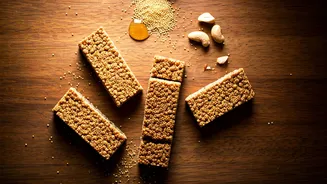
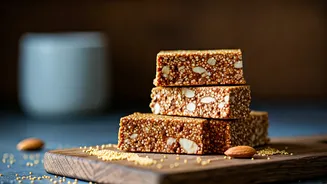
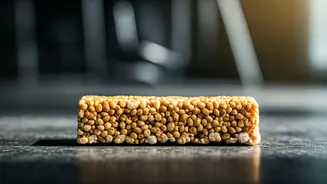
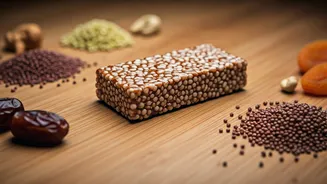
Making your own sprouted ragi energy bars is surprisingly simple and requires no baking. Think of this less as a strict recipe and more as a flexible formula you can adapt to your taste. You can find sprouted ragi flour at most health food stores or even make it at home. **The Base:** Start with 1 cup of sprouted ragi flour. For a richer, nuttier flavour, you can lightly toast it in a dry pan for a few minutes until fragrant. **The Binder:** You need something sticky to hold it all together. About 1 cup of soft, pitted dates is perfect. You can also use a mix of dates, dried figs, or apricots. Blend them in a mixer to form a thick paste. **The Crunch & Healthy Fats:** Add about ½ to ¾ cup of your favourite nuts and seeds. Chopped almonds, walnuts, pumpkin seeds, and chia seeds all work wonderfully, adding texture and healthy omega-3 fatty acids. **The Flavour Boost (Optional):** A pinch of ground cardamom (elaichi), a dash of cinnamon, or a splash of vanilla extract can elevate the taste. **The Method:** In a large bowl, combine the toasted ragi flour, the date paste, and your nuts and seeds. Mix thoroughly with your hands until it forms a firm, uniform dough. Press this mixture firmly into a parchment-lined tray, about an inch thick. Chill in the refrigerator for at least an hour to set, then slice into bars.