



An Ancient Secret's Viral Comeback
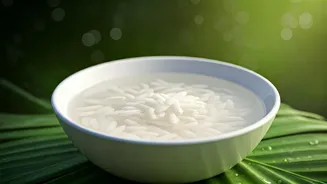
Rice water—the starchy liquid left over after soaking or boiling rice—is hardly new. Its use as a beauty treatment dates back centuries in Asia. Court ladies in Japan’s Heian period (794 to 1185 AD) were famed for their floor-length hair, which they reputedly
maintained by bathing it in rice water. Similarly, the Yao women of Huangluo village in China are known for their incredibly long, healthy hair, a tradition they attribute to their unique rice water rituals. Today, this simple, low-cost remedy has found a new generation of fans online, who praise its purported benefits for hair strength and skin clarity.
The Science Behind the Shine
So, what’s actually in this humble liquid? Rice water is rich in vitamins, minerals, and amino acids. Its most-hyped component is inositol, a carbohydrate that some studies suggest can penetrate damaged hair and repair it from within, even after rinsing. It also contains antioxidants like ferulic acid, which helps protect skin from environmental damage, as well as starches that can soothe irritated skin. While modern clinical trials are limited, the anecdotal evidence is centuries old, and the ingredient list offers a plausible explanation for its effects. The fermentation process, favoured by many, is believed to enhance these benefits by increasing the concentration of antioxidants and lowering the pH to better match our hair and skin.
Benefits for Your Hair
The primary reason rice water has gone viral is its effect on hair. Users claim it makes their hair stronger, smoother, and shinier. The inositol helps reduce surface friction and increase elasticity, making hair easier to detangle and less prone to breakage. The amino acids act as building blocks, helping to strengthen the hair shaft from the root. Many also report faster hair growth, although this is harder to prove scientifically. The most common way to use it is as a final rinse after shampooing and conditioning. Let it sit for 5 to 20 minutes before rinsing it out to avoid stiffness.
What About Your Skin?
While hair gets most of the attention, rice water has a long history of being used for skincare. Its soothing properties make it a gentle remedy for calming irritated skin, including conditions like eczema or sun-induced redness. The starchy components are thought to help tighten pores and create a smoother-looking complexion. Applied with a cotton pad as a toner, it can help cleanse and brighten the skin. Some people even add it to their baths for an all-over soothing soak. As with any new skincare product, it's wise to do a patch test on a small area first to ensure you don't have a reaction.
How to Make It at Home
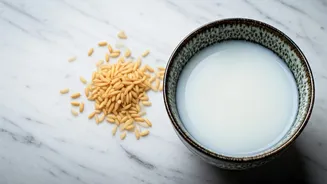
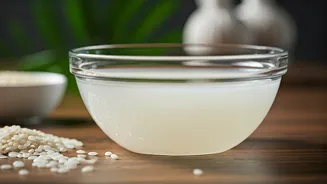
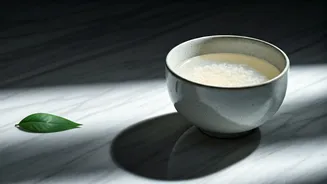
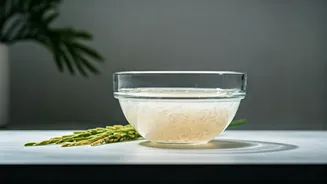
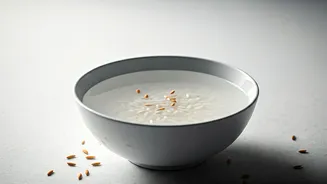
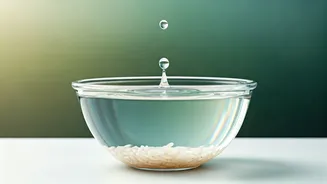
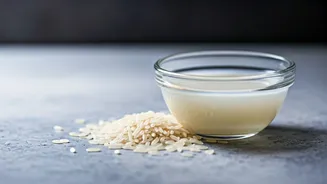
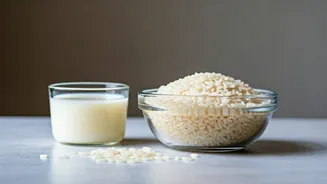
Making your own rice water is incredibly simple. There are two main methods: 1. **The Soaking Method (Quick):** Take half a cup of uncooked rice (any kind will do, but organic is best) and rinse it once to remove impurities. Then, place the rinsed rice in a bowl with two to three cups of water. Let it soak for at least 30 minutes, or until the water becomes a milky, cloudy colour. Swirl it and strain the water into a clean bottle. 2. **The Fermented Method (Potent):** Follow the same steps as the soaking method, but instead of using the water immediately, let it sit at room temperature for 12 to 24 hours. The fermentation process lowers the pH and increases the nutrient levels. Once it develops a slightly sour smell, it's ready. Store it in the refrigerator to stop the fermentation process.
A Word of Caution
While generally safe, rice water might not be for everyone. For those with low-porosity hair, the proteins in rice water can build up over time, leading to dryness and brittleness. This is known as 'protein overload'. If you notice your hair feeling stiff or straw-like, reduce the frequency of your rice water rinses to once or twice a month. For skin, while it is usually gentle, there's always a risk of irritation with any new product, which is why a patch test is non-negotiable.