




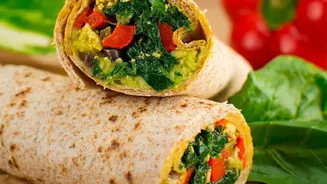
The Protein Puzzle Explained
Protein is the essential building block for muscle repair. After a workout, your muscle fibres have tiny tears that need to be rebuilt, and protein provides the raw materials to do this, making you stronger. These materials are called amino acids. Our
bodies need 20 different amino acids, nine of which are 'essential,' meaning we must get them from our food. Animal products typically contain all nine essential amino acids, which is why they are called 'complete' proteins. Many plant-based foods, however, are 'incomplete,' meaning they are low in one or more of these essential amino acids. This has led to the myth that vegetarians and vegans can't build muscle as effectively. But this is far from the truth. The key isn't to abandon plant-based eating, but to eat smarter by combining different food sources to create a complete amino acid profile.
A Perfect Nutritional Partnership
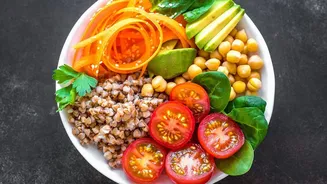
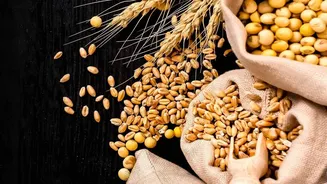
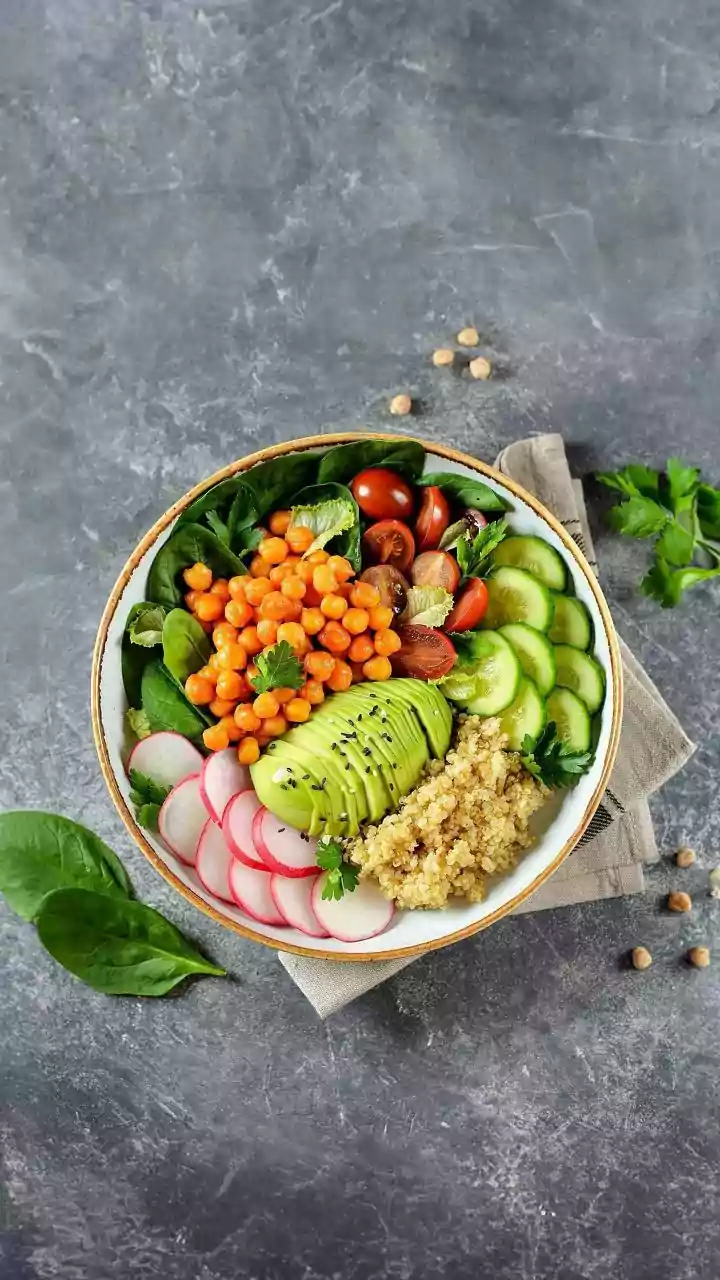
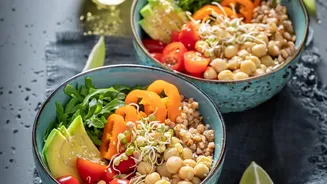
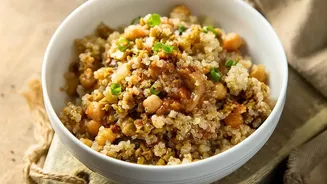
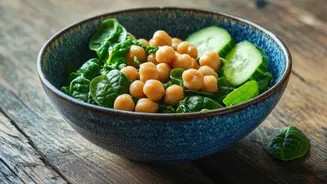
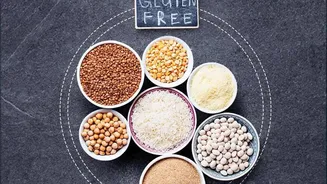
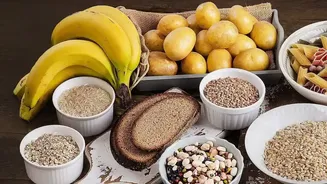
This is where the classic combination of whole grains and legumes comes in. Think of them as two puzzle pieces that fit together perfectly to create a complete picture. Most grains are low in an essential amino acid called lysine, but they are rich in others like methionine. Legumes—a family that includes beans, lentils, and chickpeas—are the opposite. They are packed with lysine but tend to be low in methionine. When you eat them together, their amino acid profiles complement each other. The lysine from the legumes fills the gap in the grains, and the methionine from the grains completes the profile of the legumes. The result is a high-quality, complete protein that provides your body with all the necessary building blocks for effective muscle synthesis and repair.
Your Plate, Your Power
The best part about this nutritional strategy is that it's already a cornerstone of many delicious cuisines around the world, especially in India. You're likely already eating these powerful combinations. Classic Indian meals like dal with rice or roti are perfect examples. The lentils or beans in the dal provide the lysine that rice and wheat are lower in. Similarly, a breakfast of peanut butter on whole-grain bread or a lunch of hummus (made from chickpeas) with pita bread creates a complete protein. Other examples from around the world include the Mexican staple of beans and corn tortillas or a hearty lentil soup served with a slice of whole-grain bread. You don't necessarily need to eat them in the exact same meal, as long as you consume a variety of these sources throughout the day to ensure your body gets a steady supply of all essential amino acids.
Timing for Optimal Recovery
To maximize muscle recovery, it’s not just about what you eat, but also when you eat. After a workout, your muscles are primed to absorb nutrients to begin the repair process. Consuming a meal rich in protein and carbohydrates within a couple of hours of finishing your exercise can significantly enhance recovery. The carbohydrates from whole grains help to replenish your muscle's energy stores (glycogen) that were depleted during your workout, while the complete protein from the grain-legume pairing gets to work on repairing muscle tissue. A post-workout meal of rajma-chawal or a smoothie with plant-based protein powder made from sources like peas and rice can be an incredibly effective way to kickstart your recovery.
More Than Just Muscle
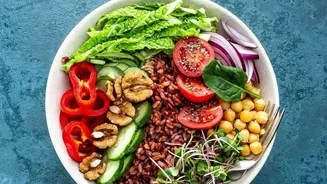
The benefits of combining whole grains and legumes extend far beyond muscle recovery. This pairing is a fantastic source of dietary fibre, which is crucial for good digestive health and can help you feel full and satisfied. These foods also provide slow-releasing complex carbohydrates, offering sustained energy without the spikes and crashes associated with sugary snacks. Furthermore, plant-based diets rich in whole foods are packed with antioxidants and phytonutrients, which can help reduce inflammation in the body—a natural side effect of intense exercise. This anti-inflammatory effect can lead to less muscle soreness and faster overall recovery between training sessions.