


The Anatomy of an Indori Queue
To an outsider, the crowds gathered around a food stall might look like chaos. But for an Indori, it's a well-understood system. A line is social proof in its most elemental form: if people are willing to wait, the food must be worth it. This phenomenon
is central to Indore's two main food hubs, Sarafa Bazaar and Chappan Dukan. These queues are more than just waiting; they are communal gatherings where anticipation builds with every sizzle from the pan and every tantalizing aroma that wafts through the air. The shared experience of the wait, the conversations struck with fellow foodies, and the theatre of watching the vendors at work are all part of the meal itself.
Sarafa Bazaar: The Midnight Feast
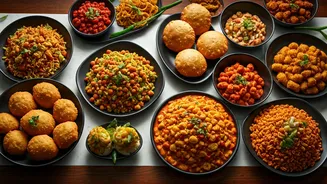
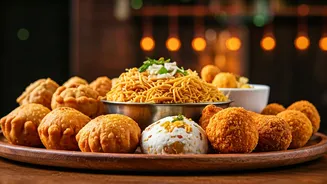
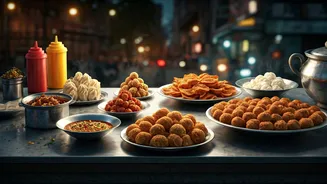
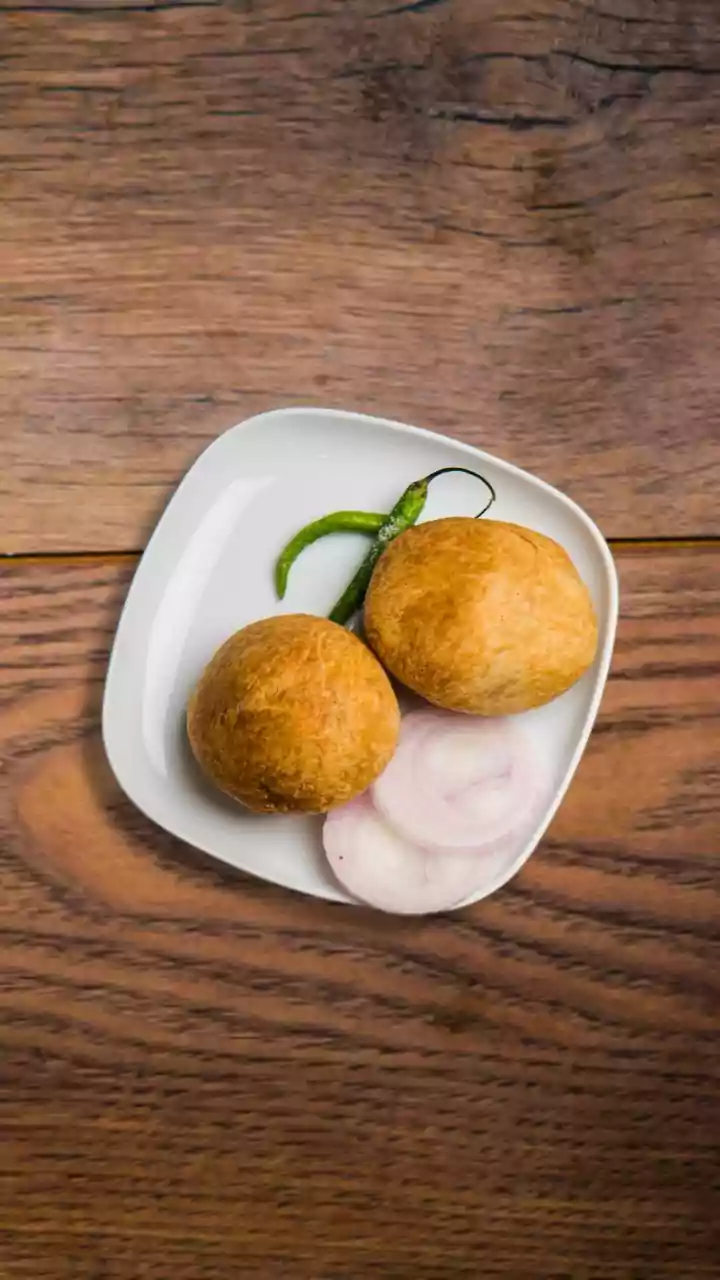
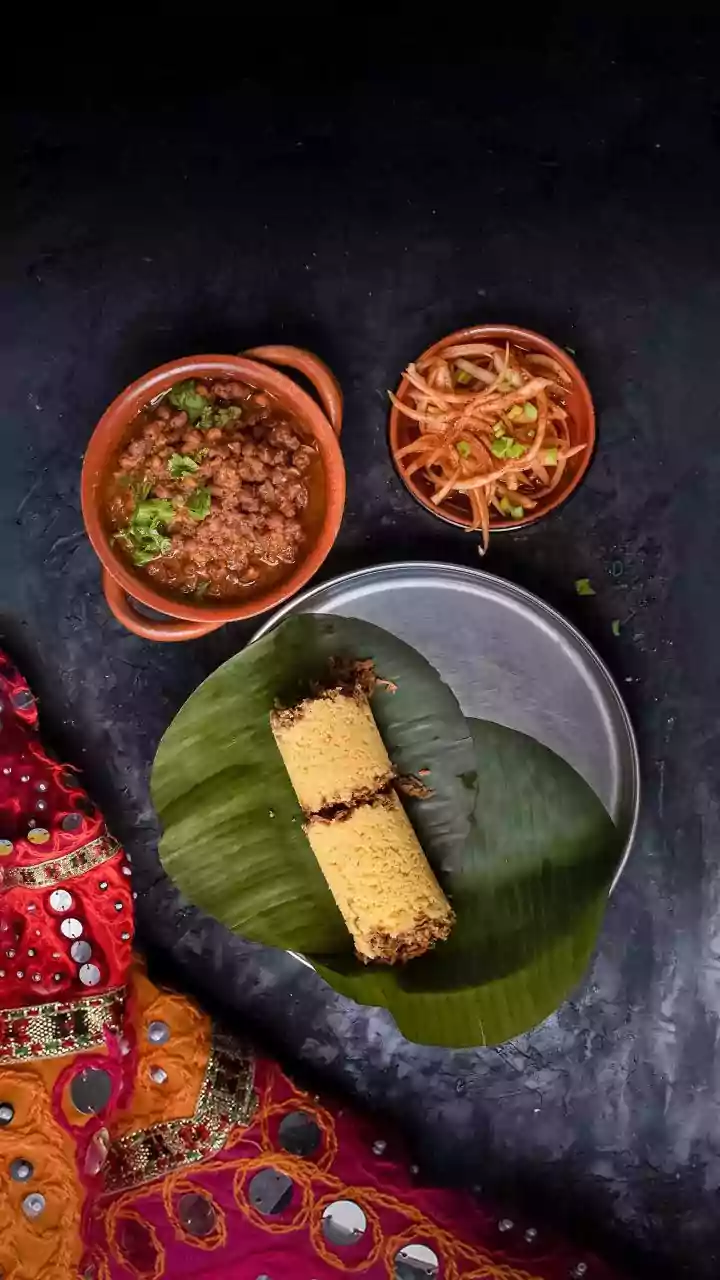
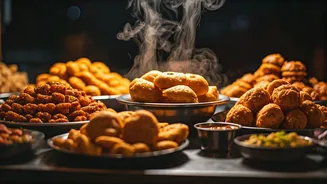
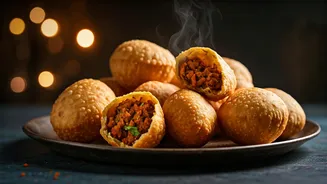
By day, Sarafa Bazaar is a bustling jewellery market. But as night falls, it undergoes a magical transformation into a vibrant, open-air food court that stays alive until the early morning hours. Stalls line the narrow lanes, and the queues begin to form for legendary local delicacies. At Joshi Dahi Bada House, a crowd gathers not just for the melt-in-your-mouth lentil dumplings but for the spectacle of the owner tossing the plates high in the air before serving. Further in, you'll find lines for Vijay Chaat House's famous *Khopra Patties*—potato cutlets with a surprise coconut filling—and for *Bhutte ka Kees*, a savoury dish of grated corn cooked in milk and spices. The wait here is a rite of passage for anyone wanting to taste the true, inventive spirit of Indori cuisine.
Chappan Dukan: A Street of 56 Delights
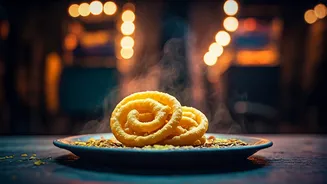
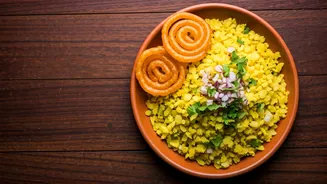
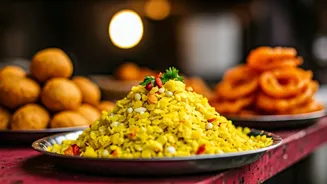
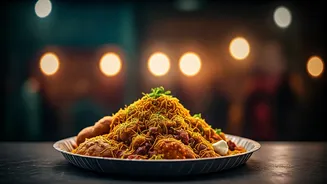
Meaning “56 Shops,” Chappan Dukan is a more organized, all-day affair—a single street dedicated entirely to food. Here, the queues are just as much a part of the landscape. People line up from early morning for the city's signature breakfast: *Poha-Jalebi*. This seemingly odd combination of flattened rice spiced with fennel seeds and a sweet, syrupy jalebi is a beloved local tradition that perfectly captures the city's audacious palate. Other queues form for the unique potato hot dog at Johnny Hot Dog, the spicy *Khatta Samosa*, and the winter specialty *Garadu* (deep-fried yam). Each of the 56 shops offers a different flavour, and the presence of a queue is the most reliable review you can get.
More Than Just Hunger
So why do people in Indore embrace the queue? It's about more than just satisfying hunger. The wait is a guarantee of freshness; the high turnover means the food is constantly being prepared right before your eyes. It’s also deeply embedded in the social fabric of the city. Eating out, especially street food, is a primary form of entertainment and socialising. The queue becomes a filter, a self-selecting gathering of people who are serious about their food. In a city where a Zomato report once revealed that residents order more midnight meals than even Mumbai, the quest for flavour is a 24/7 pastime, and a little waiting is a small price to pay for perfection.
The Taste of Patience
In the modern dining world, a queue is often seen as a marketing tool, a signifier of demand that builds hype and exclusivity. In Indore, however, this feels less like a modern strategy and more like a timeless tradition. The effort of the wait enhances the final reward. That first bite of a crispy, coconut-filled *pattie* or the complex sweet-and-savoury mouthful of *Poha-Jalebi* is made all the more satisfying by the anticipation built while standing in line. It's a culinary journey where the waiting is not a bug but a feature, a shared ritual that binds the city's food lovers together in their mutual pursuit of taste.