



The Foundation Graveyard
For years, finding the right foundation shade has been a notoriously difficult task. Poor in-store lighting, pressure from sales assistants, and the inability to test shades properly often lead to expensive mistakes. Many women have a collection of barely-used
bottles—a 'foundation graveyard'—testament to the money wasted in the quest for the perfect match. This challenge is so common that some estimates claim up to 76% of women wear the wrong shade of foundation. [19] The problem is especially pronounced when shopping online, where you can't see or feel the product, turning every purchase into a gamble.
Your Phone is Now Your Beauty Advisor
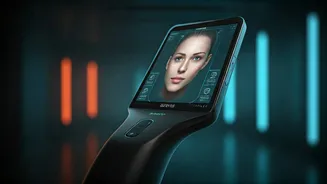
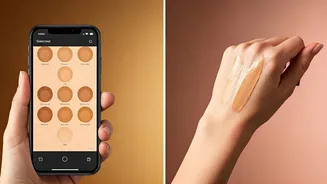
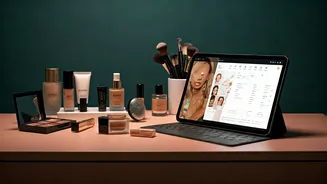
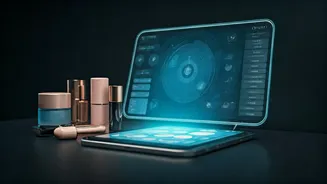
The biggest game-changer is the technology already in your pocket: your smartphone. Brands are increasingly using Artificial Intelligence (AI) and Augmented Reality (AR) to create virtual try-on (VTO) experiences. [18] These tools use your phone's camera to scan your face, analyze your unique skin tone, and then superimpose different foundation shades onto your image in real-time. [6, 16] Major players like L'Oréal, MAC Cosmetics, and NYX now offer VTO services on their websites, allowing you to swipe through shades from the comfort of your couch. [10, 12, 18] The technology has become much more sophisticated, accounting for different lighting conditions and rendering realistic textures like matte or dewy finishes. [3] Some advanced systems can detect tens of thousands of unique skin tones, making the recommendations more inclusive and accurate than ever before. [6]
Beyond the Camera: The Rise of Quizzes
Another powerful method is the rise of the AI-powered quiz. Instead of just analyzing a photo, these quizzes ask a series of detailed questions about your skin. You might be asked about your reaction to the sun, the colour of your veins, or your preferred jewellery tone to determine your undertones. [2] Brands like Il Makiage have built their entire online model around a PowerMatch quiz that uses algorithms to process your answers and recommend a precise shade. While some argue that self-assessment can be unreliable, these quizzes leverage vast databases to correlate answers with successful matches, offering a strong alternative for those who don't trust their camera's quality. [2, 6] Other platforms, like Match My Makeup, use a similar quiz-based system to recommend shades across more than 150 brands. [1]
From Matching to Custom Mixing
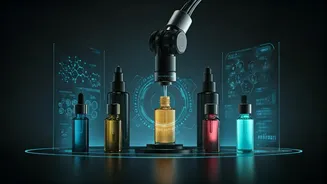
The ultimate evolution beyond guesswork is hyper-personalisation: foundation that is custom-blended just for you. This service is moving from a niche offering to a more accessible luxury. [9] Brands like Melli Cosmetics and services at beauty labs allow you to create a unique formula from scratch. [19, 21] A consultant (or an advanced in-store tool) analyzes your skin tone and undertone with scientific precision. [4, 5] From there, you can choose your desired coverage (sheer, medium, full), finish (matte, satin, radiant), and even add skincare ingredients like hydrating serums or sunscreen. [21, 22] The result is a foundation that is not just a close match, but your exact match, with your personal 'recipe' filed for easy reordering. [19]
The Reality of Virtual Matching
While these technologies are a massive improvement, they aren't foolproof. The accuracy of camera-based tools can be affected by your phone's quality and, most importantly, lighting. [2, 3] For the best results, always use natural, diffused daylight when scanning your face. [3] Virtual try-on is fantastic for experimenting with colours, but some experts note that it's better for engagement than for guaranteeing a perfect complexion match, as screen calibration and ambient light can skew perception. [13] The consensus is to use these tools as an excellent starting point. They dramatically narrow down your options from hundreds to a select few, making the final decision easier and far more likely to be correct. [3] So while human touch isn't obsolete, technology has made finding your shade a much smarter, more confident experience. [20]