





The New Himalayan Workstation
For years, the idea of ‘working from the mountains’ was a romantic but impractical notion, often foiled by patchy internet and a lack of proper facilities. The pandemic-induced shift to remote work changed everything, accelerating a trend that was already
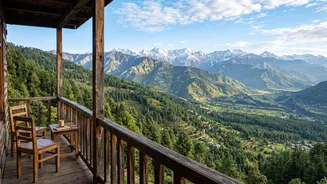
budding in the serene landscapes of Himachal Pradesh. Today, the Kangra Valley—spanning popular destinations like Dharamshala, Palampur, and Bir—has become a premier hub for digital nomads. Homestay owners, recognising the demand, have moved beyond offering just a bed and a view. They are now creating integrated environments where productivity and peaceful living coexist. This evolution caters to professionals tired of the urban grind, offering a lifestyle where deadlines are met against a backdrop of the mighty Dhauladhar range and the post-work commute is a walk through pine forests. It represents a fundamental shift from a temporary ‘workation’ to a sustainable, long-term remote work setup.
Connectivity That Actually Keeps Up
The single biggest barrier to working from the Himalayas has always been connectivity. For a digital nomad, no Wi-Fi means no work. This is where Kangra Valley has made its most significant leap. Major towns in the valley are no longer reliant on weak mobile hotspots. The rollout of high-speed fiber optic internet has been a game-changer. In dedicated co-living spaces and many tech-savvy homestays in areas like Dharamkot and Bir, internet speeds of 100 to 200 Mbps are now increasingly common. Homestay owners actively advertise their reliable Wi-Fi, often provided by dual services like Jio and Airtel to ensure constant uptime. Furthermore, understanding the challenge of frequent power cuts in the hills, many hosts have invested in power backup systems like inverters or generators, ensuring that a sudden outage doesn’t derail a crucial video call or deadline.
Your Desk with a Dhauladhar View
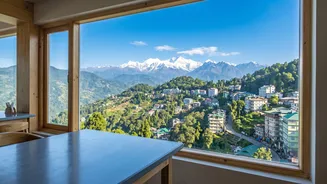
The promise of a ‘dedicated work desk’ has also matured beyond a simple table and chair in a corner. While some homestays offer exactly that—a quiet, private space to work—the ecosystem has expanded to include more professional setups. Purpose-built co-working and co-living spaces in Dharamkot and Bir offer ergonomic chairs, well-lit common areas, and meeting rooms designed for focus and collaboration. Many homestays, inspired by this model, are designing rooms or common lounges with comfortable work nooks that feature ample plug points and strong Wi-Fi signals. This thoughtful approach acknowledges that a remote worker needs more than just a laptop stand; they need an environment that supports hours of focused work without compromising on comfort or the stunning Himalayan scenery just outside the window.
The Comfort of Authentic Home Meals
Perhaps the most culturally enriching aspect of this trend is the emphasis on home-cooked meals. While the valley is dotted with trendy cafes perfect for a change of scenery, the appeal of wholesome, local food is a major draw for long-stay digital nomads. Homestay kitchens are becoming central to the experience, offering everything from simple, nutritious daily meals to authentic Kangri cuisine. This arrangement offers a significant advantage over a hotel stay. It’s not only more economical but also provides a healthier, more grounded routine. For many remote workers, sharing a meal prepared by their hosts is a direct way to connect with the local culture, learn about regional ingredients, and feel less like a tourist and more like a temporary resident. It’s this blend of professional convenience and personal warmth that truly defines the Kangra Valley experience.
Finding Your Nook: Dharamshala to Bir
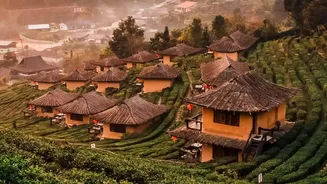
The Kangra Valley offers a diverse range of atmospheres to suit different working styles. Dharamkot, a village perched above McLeod Ganj, is widely considered the region’s digital nomad capital, boasting a vibrant international community and the highest concentration of co-working spaces. For those seeking a more tranquil and mindful environment, Bir is an ideal choice. Famous for paragliding, its flat, walkable landscape and strong cafe culture make it perfect for solo workers who value peace and community. A little further afield, Palampur offers a different charm, surrounded by lush tea gardens and offering a quieter, more family-oriented vibe with beautiful villas and cottages that cater to remote workers. Each location provides the core essentials, allowing nomads to choose their ideal balance of social life, solitude, and scenery.