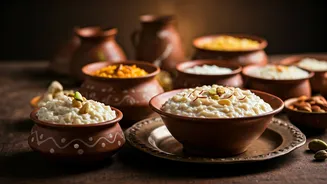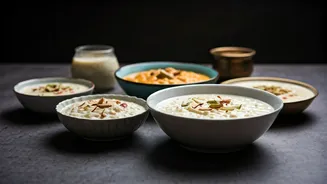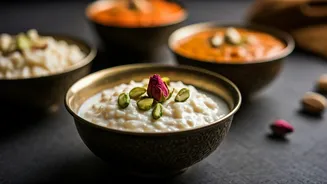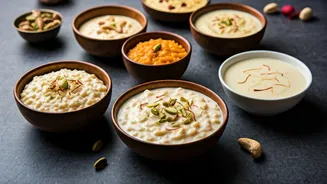



Phirni from North India
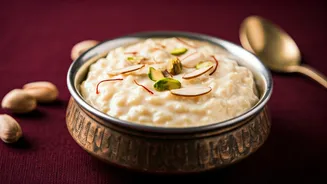
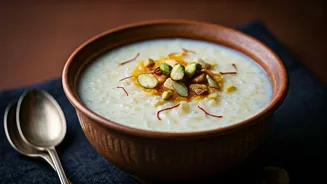
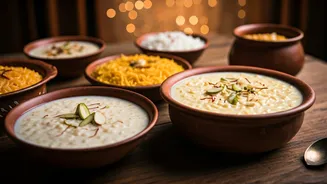
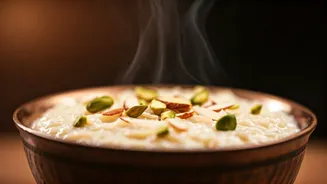
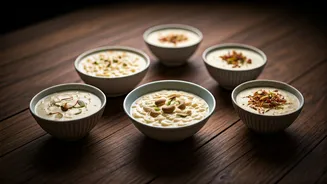
Unlike its cousin made with whole rice grains, Phirni boasts a smoother, more refined texture. Hailing from the Mughal era, this dessert is traditionally made with finely ground rice, which creates a silky, melt-in-your-mouth pudding. [3, 5, 8] The ground rice is simmered
in milk until thick and creamy, then perfumed with aromatic cardamom, saffron, and sometimes a hint of rose water. [3, 8] Phirni is almost always served chilled, often in small, unglazed clay bowls called 'shikoras', which absorb excess moisture and impart a subtle earthy essence to the dessert. [3, 9] This cooling quality makes it a popular choice for festivals like Eid and other celebrations in the warmer months. [3]
Pal Payasam from South India
Simplicity is the soul of Pal Payasam, a cherished dessert from Kerala and Tamil Nadu, especially famous as a temple offering. [13, 14] It uses just three primary ingredients: rice, milk, and sugar. [4, 11] Its magic, however, lies in the patient, slow-cooking process. Milk is simmered for hours in heavy-bottomed vessels, often bronze 'urulis', until it reduces and thickens significantly. [14] This lengthy process not only cooks the rice to a tender perfection but also caramelises the milk's natural sugars, giving the payasam a distinctive creamy consistency and a beautiful pale pink or light brown hue without any added colouring. [14]
Nolen Gurer Payesh from Bengal
A true winter delicacy from West Bengal, Nolen Gurer Payesh celebrates a seasonal star: date palm jaggery (nolen gur). [30, 33] This special jaggery, harvested only in the winter months, has a deeply aromatic, smoky, and caramel-like flavour that is impossible to replicate. [30, 31, 33] The payesh is typically made with fragrant, short-grained Gobindobhog rice, which adds its own unique aroma and starchy creaminess to the dish. [30, 34] The jaggery is added towards the end of the cooking process to prevent the milk from curdling, resulting in a beautifully coloured, soul-warming dessert that captures the essence of a Bengali winter. [31]
Makhane ki Kheer from Bihar
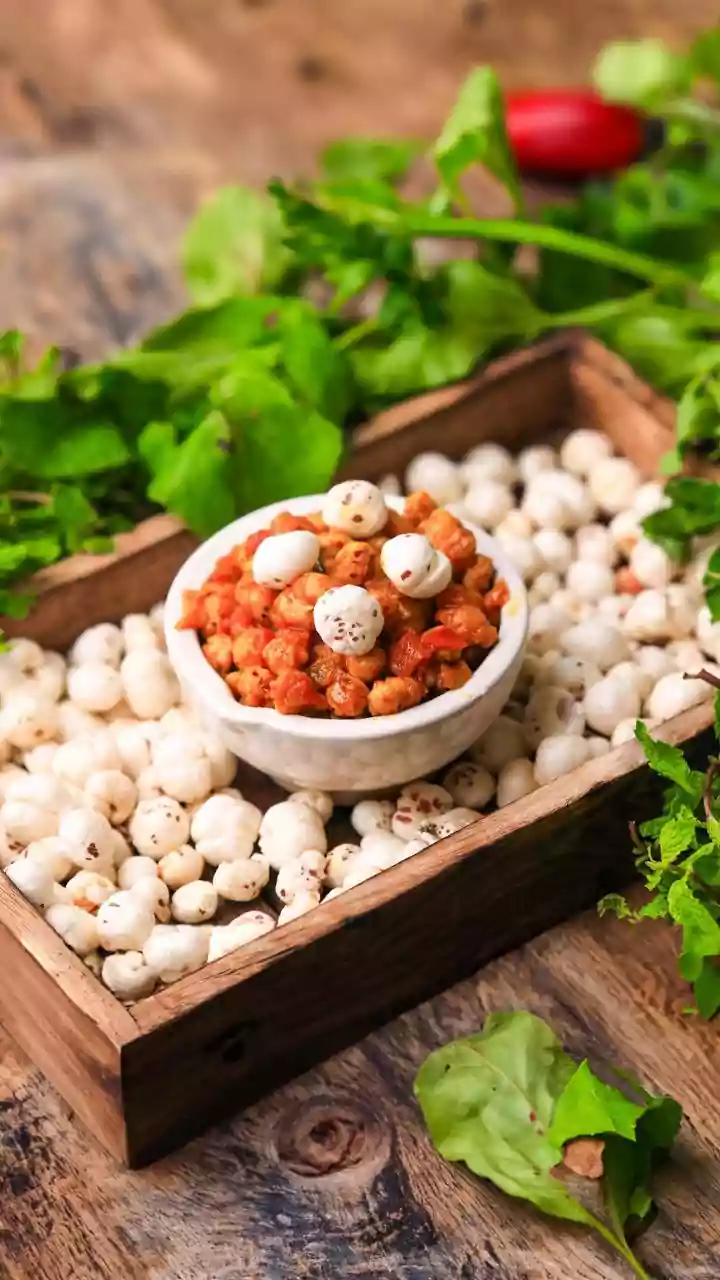
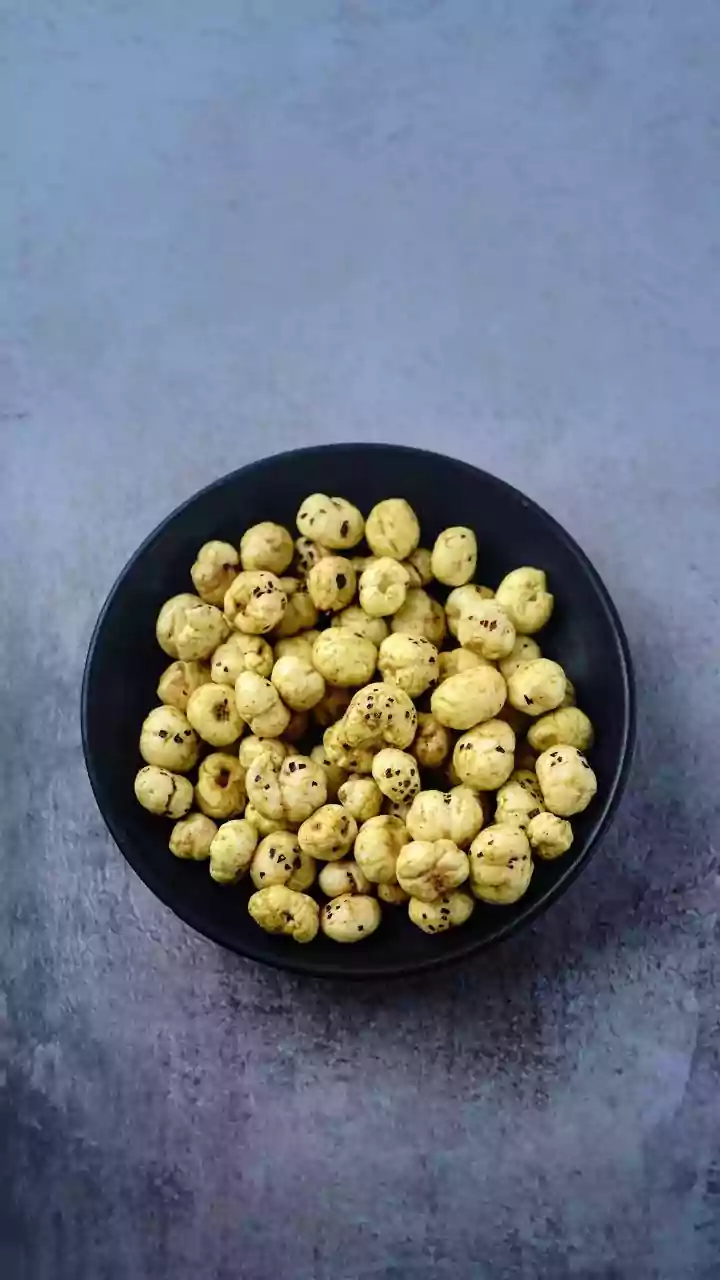
Originating from the Mithila region of Bihar, the largest producer of this unique ingredient, Makhane ki Kheer is both delicious and nutritious. [15, 35] The star is makhana, or puffed lotus seeds (fox nuts). [15, 32] These airy, popcorn-like seeds are first roasted in ghee until crunchy before being simmered in sweetened milk. [36, 37] As they cook, the makhana soften while retaining a gentle bite, absorbing the creamy milk. Some recipes use a portion of ground makhana to thicken the kheer further. [32] Often prepared for religious festivals and fasts, this kheer offers a unique texture and a wholesome alternative to grain-based puddings. [36]
Sheer Khurma for Eid
While Seviyan Kheer (vermicelli pudding) is loved across the country, Sheer Khurma is its richer, more festive version, synonymous with Eid-ul-Fitr celebrations. [10, 12, 17] The name literally translates to "milk with dates." [10] Fine vermicelli noodles ('seviyan') are first roasted in ghee to a golden brown, then cooked in milk loaded with chopped dates, pistachios, almonds, and other dried fruits. [26, 29] The inclusion of dates provides a deep, natural sweetness and chewy texture, setting it apart from its simpler cousin. Flavoured with cardamom and sometimes saffron, this celebratory dish is a symbol of togetherness. [10, 26]
Kadala Paruppu Payasam from the South
Breaking from the tradition of rice or vermicelli, this South Indian payasam uses lentils as its base. Kadala Paruppu (chana dal) is cooked until soft and then simmered in a fragrant mixture of jaggery and coconut milk. [16, 19, 23] The use of jaggery gives it an earthy sweetness, while coconut milk provides a luscious, creamy base that is distinctly different from dairy milk. [19] Often flavoured with cardamom and dry ginger powder, and garnished with ghee-fried cashews and coconut pieces, this payasam offers a complex, nutty, and deeply satisfying flavour profile. [16, 22]