








The Urban Health Paradox
For millions of Indians, city life is a treadmill of long commutes, high-pressure jobs, and constant noise. This urban grind is contributing to a surge in lifestyle diseases like diabetes, hypertension, and anxiety. While cities offer access to services,
they also present unique challenges: crowded streets, poor air quality, and limited access to safe, green spaces for exercise. This reality is in sharp contrast to the booming wellness industry, which bombards city dwellers with messages to eat cleaner, work out harder, and be more mindful. The problem is that this advice often places the entire burden of health on the individual, creating a cycle of guilt and self-blame when the urban environment itself is a major obstacle.
Moving Beyond 'Just Try Harder'
The message that health is purely a matter of personal choice ignores the powerful influence of our surroundings, often called the social determinants of health. Telling someone to go for a run is less helpful when their neighbourhood has no footpaths or parks. Advising a diet of fresh, organic food means little to someone whose access is limited by cost and availability. Experts argue that this individual-centric approach is not only ineffective but can be harmful, leading to anxiety and an unhealthy obsession with perfection. True sustainable health requires a shift in focus from blaming individuals to examining and changing the systems and structures that shape our daily choices.
The Power of Community and Collective Action
A more sustainable and supportive approach to wellness is emerging from the ground up. Across India, communities are taking health into their own hands, but with a collective spirit. In Bengaluru, a community-led 'Wellness Walkathon' used a gamified app to get over 220 residents of all ages moving together, tracking their steps and building healthy habits as a group. These initiatives, from neighbourhood yoga circles to resident-led organic markets, redefine wellness not as a lonely pursuit of perfection, but as a shared social activity. This fosters connection and mutual support, making healthy habits more enjoyable and easier to maintain.
Designing Cities for People
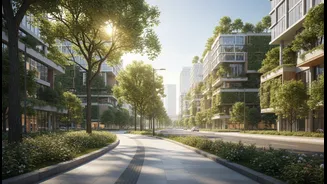
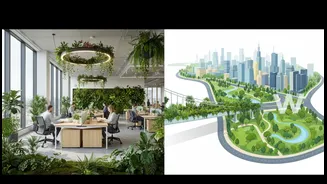
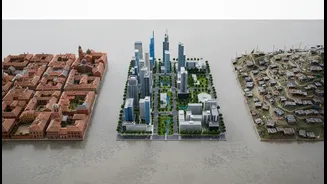
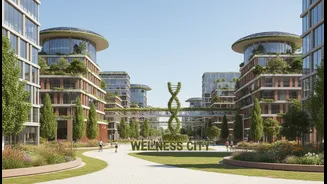
Forward-thinking urban planners and policymakers are recognising that the blueprint of a city is also a blueprint for its citizens' health. Instead of designing cities around cars, a new focus is on creating environments for people. Initiatives in cities like Pune, Bhubaneswar, and Bengaluru are prioritising walkability, cycling infrastructure, and accessible green spaces. The idea of the '15-minute city', where daily necessities are a short walk or bike ride away, is gaining traction. This approach doesn't just encourage physical activity; it reduces pollution, lowers stress, and strengthens community bonds. Even real estate is shifting, with a rising trend of 'wellness townships' designed with integrated green spaces, walking tracks, and community fitness zones.
A New Vision for Urban Health
Ultimately, fostering sustainable health routines in urban India is possible, but it demands a radical reimagining of what 'health' means. It requires moving beyond the narrow, often commercialised, lens of individual wellness culture. The solution is not about more discipline, but better design—of our communities, our infrastructure, and our public policies. By addressing the social and environmental factors that truly determine our well-being, we can create cities where healthy choices are not only possible but are the easiest choices to make. This involves a coordinated effort between government, urban planners, and citizens themselves to build environments that support health, rather than hinder it.