


Respect the Altitude, Always
This is the most critical rule for any trip to Ladakh. Flying into Leh means landing at an altitude of over 3,500 metres. Your body needs time to adjust to the lower oxygen levels to avoid Acute Mountain Sickness (AMS). The Leh District Administration
mandates a strict 48-hour acclimatisation period for all tourists arriving by air. This isn't a suggestion; it's a safety policy. For the first two days, your itinerary should be simple: rest. Avoid any strenuous activity, including long walks around the market. Drink plenty of water—aim for at least three to four litres a day—and avoid alcohol completely. Let your body adjust slowly so you can enjoy the rest of your trip without headaches, dizziness, or more severe symptoms of AMS.
Embrace the Art of Layering
Packing for Leh in late summer is all about layers. The weather can be brilliantly deceptive. A sunny afternoon in August or September might feel warm enough for a t-shirt, with temperatures ranging from 15°C to 25°C. But the moment the sun dips behind a cloud or evening approaches, the temperature can drop significantly, often to below 10°C, especially in September. Instead of a single bulky jacket, pack multiple layers: a thermal base layer, a fleece or mid-weight jacket, and a windproof and waterproof outer shell. This allows you to adapt to the changing conditions throughout the day. Also, the sun's UV rays are incredibly strong at high altitudes, so a good pair of sunglasses, a wide-brimmed hat, and high-SPF sunscreen are non-negotiable.
Choose Your Highway Wisely
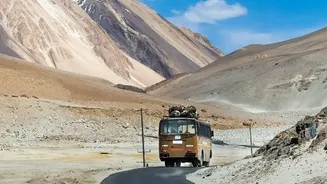
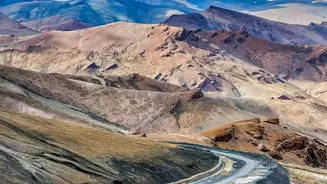
If you're planning a road trip, you have two main arteries into Leh: the Srinagar-Leh highway and the Manali-Leh highway. For late summer, each has its pros and cons. The Srinagar route offers a more gradual ascent, which is better for acclimatisation. By September, the monsoon has receded, leaving the Kashmir valley lush and green before you enter the stark, beautiful desert of Ladakh. The Manali-Leh highway is more dramatic, crossing several high passes. It remains fully operational through August and most of September. However, be cautious if your trip is planned for late September or beyond. The risk of early snowfall and temporary closures on passes like Baralacha La increases, and many roadside services and camps begin to close for the season.
Enjoy the Post-Monsoon Glow
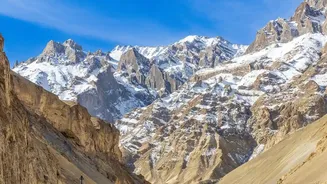
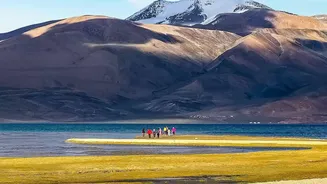
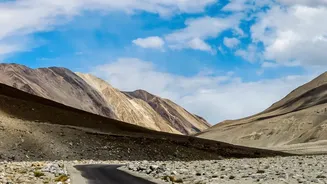
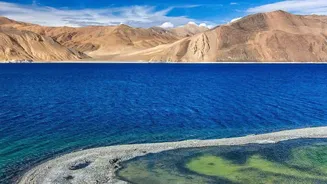
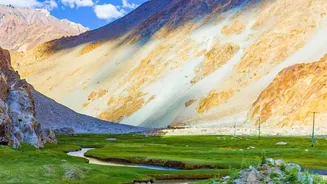
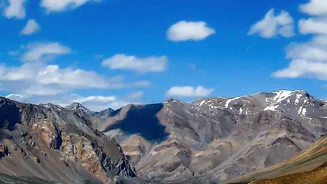
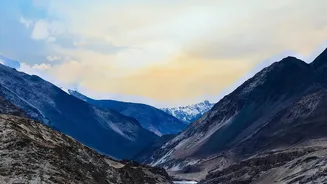
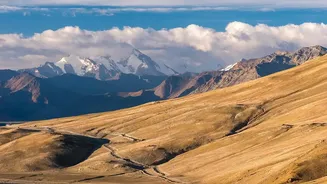
Late summer is arguably the most photogenic season in Ladakh. The region itself is a rain-shadow desert, meaning it receives very little rainfall. However, the monsoon season in the rest of India means the skies over Ladakh are often cleared of dust, resulting in exceptionally sharp, clear views and deep blue skies. The landscape is vibrant, and as September progresses, the willow and poplar trees in the valleys begin to turn a brilliant gold, contrasting beautifully with the barren mountains. Furthermore, as the peak tourist rush of July and August subsides, September becomes a quieter, more peaceful time to explore, with fewer crowds at popular spots like Pangong Tso and Nubra Valley.
Catch a Cultural Spectacle
A visit in late summer may also coincide with some of Ladakh's unique cultural events. The most significant is the Ladakh Festival, typically held in Leh during September. Organized by the tourism department, this week-long festival is a vibrant showcase of the region's heritage, featuring traditional masked dances, polo matches, archery competitions, and folk music. It's a fantastic opportunity to immerse yourself in the local culture. Besides this main event, smaller monastic festivals can also occur during this period, so it's worth checking the local calendar before your trip to see if your dates align with a celebration.
Plan Ahead, But Stay Flexible
While late summer sees fewer tourists than the absolute peak, it's still a popular time to visit. It is wise to book your flights and accommodations in Leh well in advance. However, you might find more availability and slightly better prices for hotels and taxis compared to July and August. The most important thing is to build some flexibility into your itinerary. Weather in the Himalayas is unpredictable. A road might be temporarily closed due to a landslide or sudden snowfall, even in September. Having a buffer day or two in your plan can save a lot of stress and ensure you have a relaxed and enjoyable experience.