





A Modern Twist on a Summer Tradition
As temperatures rise, the search for the perfect thirst-quencher begins. While the market is flooded with fizzy drinks and packaged juices, a quieter, more flavourful movement is taking hold in Indian kitchens. It’s a return to roots, celebrating indigenous
ingredients like kokum and jamun. But instead of traditional preparations that often involve boiling and significant amounts of sugar, this trend embraces cold steeping—a simple, slow method that unlocks nuanced flavours while keeping the sugar content naturally low. This approach bridges the gap between authentic, nostalgic tastes and the modern pursuit of wellness, offering a drink that is both delicious and genuinely good for you.
What is Cold Steeping?
Unlike hot brewing, which uses heat to quickly extract flavour, cold steeping involves soaking ingredients in cold or room-temperature water for an extended period, typically from four to twelve hours. This gentle, patient process has a significant impact on the final taste. Hot water can extract tannins and other bitter compounds, which often need to be balanced with large amounts of sugar. Cold steeping, on the other hand, pulls out the delicate, sweet, and fruity notes while leaving most of the bitterness behind. The result is a smoother, naturally sweeter beverage that allows the true character of the ingredients to shine, reducing the need for added sweeteners.
Kokum: The Tangy Superfruit of the Konkan Coast
Kokum, a deep-purple fruit native to the Western Ghats, is a beloved summer staple, especially in Konkani cuisine. Traditionally used in everything from curries to cooling sherbets, its tangy flavour is instantly refreshing. Beyond its taste, kokum is valued for its impressive health benefits. It is known to have a cooling effect on the body, making it ideal for shielding against dehydration and sunstroke. Rich in antioxidants, kokum aids digestion, can help reduce acidity, and possesses anti-inflammatory properties. Some studies suggest it can also support weight management. When cold-steeped, the dried rinds release their vibrant colour and a signature tartness that is invigorating without being overpowering.
Jamun: The Sweet and Astringent Summer Gem
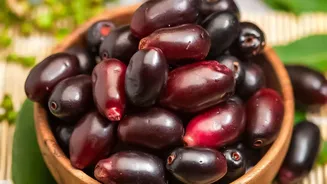
The jamun, or Java plum, is another quintessential Indian summer fruit, celebrated for its unique sweet, sour, and slightly astringent taste. Its deep purple hue hints at its rich nutritional profile. Jamuns are packed with antioxidants, including anthocyanins, which help protect the body from cellular damage. This fruit is a powerhouse of nutrients, including iron, potassium, and vitamins A and C, which contribute to a stronger immune system and improved heart health. Traditionally used in Ayurvedic medicine, jamun is particularly noted for its potential to help regulate blood sugar levels. Cold steeping captures its beautiful colour and complex flavour, creating a cooler that's both visually stunning and nutritionally beneficial.
Making Your Own Cold-Steeped Coolers
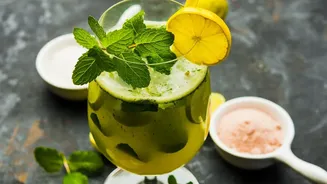
Creating these refreshing drinks at home is surprisingly simple. For a Kokum Cooler, take a handful of dried kokum rinds, rinse them, and soak them in a litre of cold water. Let it steep in the refrigerator for at least 4-6 hours, or overnight. Afterwards, strain the liquid. You'll have a vibrant red infusion. It can be enjoyed as is, or with a pinch of black salt and roasted cumin powder for a more traditional flavour. For a Jamun Cooler, deseed a cup of fresh jamuns and lightly crush the pulp. Add the pulp to a litre of cold water and let it steep in the fridge for a few hours. Strain the mixture, pressing the pulp to extract all the juice. A squeeze of lemon and a sprig of mint can elevate the final drink. Because cold steeping yields a less bitter taste, you'll find that little to no extra sweetener is needed.