






Rethinking Our Reliance on White Rice
White rice is a beloved staple, but the refining process that gives it a soft texture and long shelf life strips away most of its fiber, vitamins, and minerals. What's left is primarily starch, which the body quickly converts to sugar. This leads to a high
glycemic index (GI), causing rapid spikes and subsequent crashes in blood sugar. For gut health, the lack of dietary fiber is a significant drawback. Fiber is essential for feeding the beneficial bacteria in our digestive system, ensuring regular bowel movements, and preventing issues like constipation. While enjoying white rice in moderation is perfectly fine, relying on it as a primary grain means missing out on crucial nutrients that support a thriving gut microbiome.
Foxtail Millet (Kangni): The Nutrient-Dense Swap
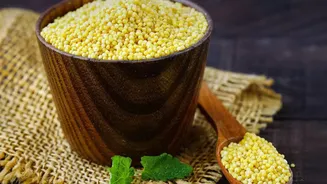
Foxtail millet, known as Kangni in Hindi, is a nutritional powerhouse and an excellent alternative to white rice. Its most significant advantage is its high dietary fiber content, which is about 25 times more than that of polished white rice. This fiber aids digestion, adds bulk to stool, and helps you feel fuller for longer, which can assist in weight management. Furthermore, foxtail millet has a much lower glycemic index (around 50-60) compared to white rice's high GI of 73 or more. This means it releases energy slowly, preventing sharp blood sugar spikes. It's also richer in essential minerals like iron, magnesium, and calcium, and boasts nearly double the protein of white rice, making it a more balanced and nutrient-dense choice.
Sorghum (Jowar): The Gluten-Free Gut Soother
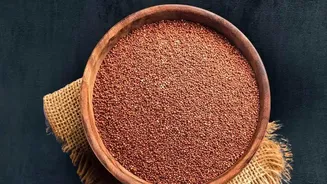
Sorghum, or Jowar, is another fantastic ancient grain that benefits gut health immensely. Naturally gluten-free, it's a great option for those with sensitivities. Like foxtail millet, sorghum is rich in dietary fiber, which promotes healthy digestion and regular bowel movements. Some of the starch in sorghum is classified as 'resistant starch', which acts as a prebiotic. This means it bypasses digestion in the small intestine and travels to the large intestine, where it becomes food for your good gut bacteria. A healthy gut microbiome is linked to better immunity, improved nutrient absorption, and even better mood regulation. Sorghum is also packed with antioxidants like phenols and tannins, which help protect your body's cells from damage.
Why High-Fiber Millets Are Your Gut's Best Friend
The common thread that makes foxtail and sorghum millets so beneficial is their fiber content. Dietary fiber works in several ways to support your digestive system. Insoluble fiber adds bulk to your stool, helping it move more easily through your intestines and preventing constipation. Soluble fiber dissolves in water to form a gel-like substance, which can slow down digestion, helping you absorb more nutrients and manage blood sugar levels. More importantly, fiber acts as a prebiotic, nourishing the diverse community of microbes in your gut. These microbes ferment fiber to produce short-chain fatty acids (SCFAs), which are vital for maintaining a healthy gut lining, reducing inflammation, and supporting overall health.
Making the Switch: How to Cook and Enjoy Millets
Incorporating these millets into your diet is easier than you think. You can use them as a direct replacement for rice in many dishes. For foxtail millet, a general rule is to use a 1:2.5 ratio of millet to water. It's highly recommended to rinse and soak the grains for at least 30 minutes before cooking to improve their texture and digestibility. You can cook them on the stovetop or in a pressure cooker just like rice. They work beautifully in pulao, khichdi, upma, and even as a simple side dish. Sorghum can be cooked whole, similar to foxtail millet, or used as flour to make rotis, bhakri, or dosas. Start by swapping one of your daily rice meals with a millet-based one to let your system adjust and discover the nutty, satisfying flavors these grains have to offer.