


North: Kashmiri Pulao
Journey to the paradise of Kashmir, and you'll find a rice dish as beautiful as its landscape. Kashmiri Pulao is a fragrant, mild, and subtly sweet preparation that stands in gentle contrast to the fiery curries often associated with Indian food. Made
with long-grain Basmati rice, it’s infused with the aroma of whole spices like cinnamon, cloves, and cardamom. What truly sets it apart is the generous addition of fried nuts like almonds and cashews, sweet raisins, and often fresh fruit such as apple and pomegranate seeds, which add colour, crunch, and sweetness. Traditionally cooked in ghee and sometimes flavoured with precious saffron, this dish is a royal treat, reflecting the rich Persian influence on the region's cuisine.
South: Bisi Bele Bath
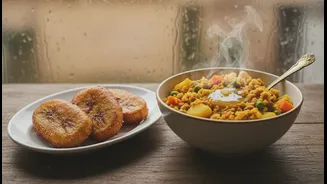
Travel down to Karnataka, and you'll encounter the hearty and complex Bisi Bele Bath. The name translates to "hot lentil rice dish," but this description barely scratches the surface. It's a one-pot marvel where rice, toor dal (split pigeon peas), and a medley of vegetables are cooked together into a wholesome, porridge-like consistency. The soul of the dish is its unique spice powder, Bisi Bele Bath masala, a blend of roasted spices that gives it a distinctive tangy, spicy, and slightly sweet flavour profile, often enhanced with tamarind pulp. Served steaming hot with a dollop of ghee and accompanied by crispy boondi or potato chips, it's the ultimate comfort food, representing the intricate balance of flavours characteristic of South Indian cooking.
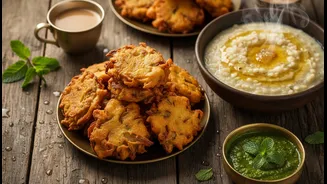
East: Pakhala Bhata
In the East, particularly in Odisha, lies a dish born from climate and tradition: Pakhala Bhata. At its core, it is cooked rice that is soaked in water and often left to ferment overnight, which gives it a slightly tangy taste. This simple preparation is a genius response to the region's hot and humid weather, acting as a natural coolant for the body. Far from being just leftover rice, Pakhala is a celebrated dish, even having a day, Pakhala Dibasa, dedicated to it. It is typically served with a variety of side dishes like fried fish, sautéed greens (saga), mashed potatoes, and sun-dried lentil dumplings (badi chura), making it a complete, nutritious, and deeply cultural meal that is also offered at the famous Jagannath Temple in Puri.
West: Vangi Bath
Heading to the western states of Maharashtra and Karnataka, we find Vangi Bath, or brinjal rice. 'Vangi' means brinjal (eggplant), and this dish makes the humble vegetable its star. The preparation involves cooking rice and then mixing it with a flavourful brinjal gravy. While both states share the name, the spice blend differs. The Maharashtrian version often uses Goda Masala, a special mix with a distinct, slightly sweet and pungent aroma. The Karnataka version has its own unique Vangi Bath powder and often includes tamarind for a tangy kick. Typically made with small, tender brinjals, the dish is a testament to how a single vegetable can be transformed into a celebrated regional speciality.
Central: Hyderabadi Biryani
No culinary map of India is complete without a stop in Hyderabad for its world-famous Biryani. A legacy of the Nizams, this dish is a masterful blend of Mughlai and local Deccan cuisines. What makes Hyderabadi Biryani iconic is the 'dum' cooking method, where marinated raw meat and par-cooked Basmati rice are layered in a sealed pot and slow-cooked in their own steam. This process infuses every grain of rice with the aromas of saffron, mint, and a complex blend of spices. The result is a dish where each component shines—the tender meat, the fragrant, separate grains of rice, and the rich masala. More than just a meal, it's a cultural institution, a centrepiece for celebrations, and synonymous with the city itself.