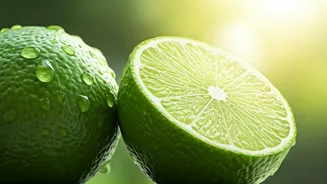





The Mosambi Glow-Up
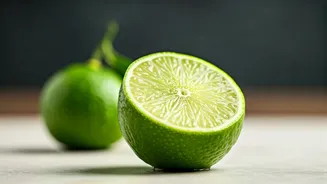
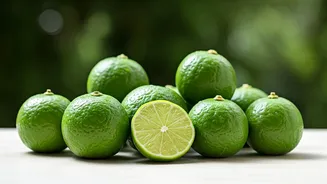
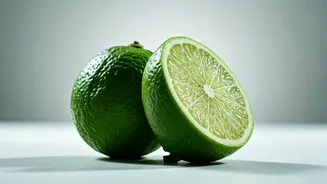
If you've noticed your social media feed suddenly flooded with vibrant glasses of pale green juice, you're not alone. The sweet lime, or mosambi, has become the star of countless Indian health and wellness vlogs. Presented as the ultimate morning ritual
or a post-workout quencher, creators are showcasing this simple fruit as a cornerstone of a healthy lifestyle. The trend is less about the fruit itself and more about the aspirational package it comes in: slow-motion pours into aesthetic glassware, discussions of 'detox' and 'glow,' and its positioning as an all-natural solution for modern wellness concerns. This isn't just about a fruit; it's about a highly marketable vision of health that is both accessible and visually appealing, tapping into a growing desire for natural and traditional wellness solutions.
Decoding the Viral Health Claims
The claims attached to the mosambi trend are wide-ranging. Vloggers and influencers often position it as a powerful detoxifying agent that flushes toxins from the body. Weight loss is another major promise, with many suggesting a glass of mosambi juice can curb hunger pangs and boost metabolism to burn fat. Other commonly cited benefits include achieving clear, glowing skin, thanks to its purported ability to purify blood and fight acne. Boosting immunity, especially against the common cold and flu, is also a key selling point, alongside promises of improved digestion, hydration, and even prevention of kidney stones. These claims paint mosambi not just as a fruit, but as a cure-all elixir.
What the Science Actually Says
So, how do these viral claims stack up against science? The good news is that sweet lime is genuinely a nutritious fruit. Its biggest claim to fame is its high Vitamin C content, a powerful antioxidant that is crucial for immune function and collagen production for healthy skin. The claims about immunity and skin health, therefore, have a strong scientific basis. Mosambi is also an excellent source of hydration due to its high water content and provides essential electrolytes like potassium, which is vital for maintaining fluid balance and healthy blood pressure. However, the more dramatic claims require context. While the flavonoids in mosambi can aid digestion by stimulating digestive enzymes, it's not a magical 'detox' agent that purges all toxins. Your liver and kidneys already do that job. As for weight loss, while low in calories, no single food can burn fat on its own; it's about overall calorie balance.
Juice vs. Whole Fruit: The Best Way to Enjoy
The way you consume mosambi matters. While the vlogging trend heavily favours juice, nutrition experts often recommend eating the whole fruit. When you juice a fruit, you lose most of its dietary fibre. Fibre is essential for good digestion, regulating blood sugar levels, and making you feel full, which can help with weight management. Furthermore, fruit juice is a concentrated source of sugar. While natural, this sugar can cause spikes in blood glucose if consumed in large quantities without the balancing effect of fibre. Another point to consider is the acidity. Like all citrus juices, mosambi juice can erode tooth enamel over time, so it's wise to drink it in moderation and rinse your mouth with water afterward. For maximum benefits, eating the whole fruit with its pulp and membranes is the superior choice. If you do enjoy the juice, it's best to drink it fresh without added sugar.