






The Great Migration from Cubicle to Cliffside
The post-pandemic world has reshaped the Indian workplace, particularly within the booming tech sector. What began as a mandatory work-from-home policy has blossomed into a long-term shift towards hybrid and fully remote roles. This newfound flexibility
has empowered a generation of software developers, product managers, and digital marketers to ask a liberating question: if I can work from anywhere, why not work from somewhere beautiful? This has fueled a migration away from traditional tech hubs like Bangalore and Pune towards destinations that promise a better work-life balance. Kasol, a small village in Himachal Pradesh, has emerged as a prime beneficiary of this trend, becoming a hotspot for digital nomads.
More Than Just Wi-Fi and a Bed
The town's backpacker DNA has evolved to meet the demands of this new clientele. Hostels, once just a place for trekkers to crash, have rebranded themselves as 'workation' hubs. These establishments understand that a digital nomad needs more than just a place to sleep. They offer a specific package of amenities crucial for productivity: high-speed Wi-Fi, power backup to combat mountain electricity woes, dedicated co-working spaces, and quiet nooks for video calls. Chains like Zostel, The Hosteller, and independent outfits such as Whoopers and Nomads Hostel are at the forefront, creating environments where work and leisure coexist seamlessly. Their common areas and cafes buzz with the low hum of productivity during the day before transforming into social hubs for bonfires and community dinners at night.
The Undeniable Allure of Kasol
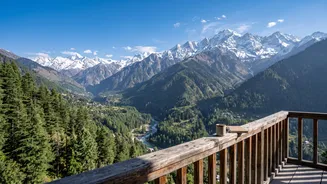
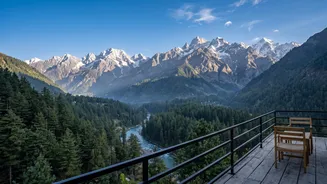
So why Kasol? The village, often called 'Mini Israel' for its long-standing connection with Israeli travelers, offers a unique blend of cultures. It boasts a vibrant cafe scene with menus catering to international tastes, from Israeli shakshuka to Italian pasta, providing comfortable third spaces to work from. The cost of living is significantly lower than in a metro city, with long-stay deals on rooms and food making it a financially viable option. But the primary draw remains the landscape. Situated on the banks of the roaring Parvati River and surrounded by dense cedar forests, Kasol is a gateway to some of the Himalayas' most famous treks, including Kheerganga and Tosh. The ability to close a laptop and immediately step out onto a mountain trail offers an unparalleled escape from professional burnout.
The Reality Behind the Instagram Reels
While the lifestyle is idyllic, it's not without its challenges. The biggest hurdles for remote workers anywhere are often loneliness and the blurring of boundaries between work and personal life. The community-driven nature of workation hostels helps combat isolation, but self-discipline is key when your 'office' is surrounded by vacationers. Furthermore, despite significant improvements, mountain infrastructure can be unpredictable. While major hostels and cafes provide power backups, sudden outages can still disrupt a crucial meeting. Internet connectivity, though robust in central Kasol with reliable Airtel and Jio networks, can become patchy in the more secluded surrounding villages, demanding a degree of patience and planning from any serious remote worker.