





Apples: The Daily Snack Champion
Often hailed as a year-round favourite, apples truly shine in winter. Harvested in states like Himachal Pradesh and Jammu & Kashmir from late summer into autumn, they are readily available throughout the cooler months. An apple a day is more than just
a saying; this fruit is a powerhouse of dietary fibre, particularly pectin, which aids digestion and can help prevent constipation—a common issue when water intake drops in colder weather. They are also rich in antioxidants and vitamin C, which are crucial for boosting immunity during flu season. The best part about apples is their versatility. For a quick and filling snack, slice them up and pair them with a spoonful of peanut or almond butter. This combination provides a great balance of carbohydrates for energy, and protein and healthy fats to keep you satiated. You can also dice them into your morning oats, bake them into healthy crisps with a sprinkle of cinnamon, or simply enjoy them crunchy and fresh.
Guava: The Immunity Powerhouse
Often overlooked, guava (amrood) is one of winter's true superstars. It is an exceptional source of vitamin C, containing significantly more than even oranges. This makes it incredibly effective at strengthening the immune system and helping the body fight off common winter ailments like colds and flu. Guavas are also loaded with dietary fibre, which promotes a healthy digestive system and creates a feeling of fullness, making it a great choice for weight management. Its low glycemic index is beneficial for managing blood sugar levels. Enjoy this crunchy fruit on its own, perhaps with a sprinkle of salt and chilli for a classic Indian-style snack, or blend it into a refreshing juice.
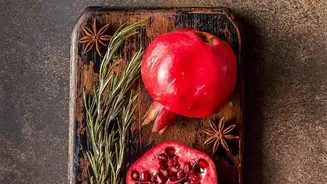
Pomegranate: The Jewel of Winter
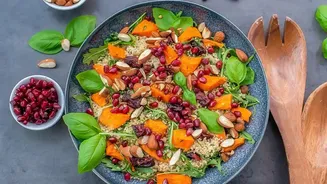
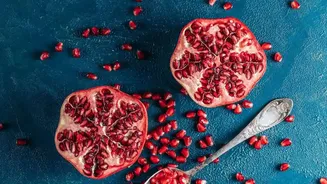
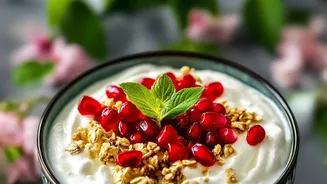
With their vibrant, jewel-like seeds, pomegranates (anar) are a visual and nutritional delight during the winter. These fruits are packed with powerful antioxidants that help combat inflammation and protect cells from damage. This can be especially beneficial for joint health, which can be a concern for many during colder weather. Pomegranates are a good source of vitamins C and K, as well as fibre and iron. They support heart health by potentially helping to lower blood pressure and cholesterol. The seeds, or arils, can be eaten fresh, sprinkled over salads and yoghurt for a burst of colour and flavour, or juiced for a refreshing drink. They add a festive touch to any meal while delivering a potent dose of nutrients.
Custard Apple: Nature's Creamy Dessert
Known as Sitaphal, the custard apple is a unique winter treat with its creamy, soft pulp and sweet flavour. Available from October to December, this fruit is a good source of energy, vitamins C and B6, and minerals like magnesium and potassium. Its high fibre content aids digestion and helps prevent constipation. While it is naturally sweet, its nutrients make it a much healthier dessert option than processed sweets. Due to its sweetness and calorie density, it's best enjoyed in moderation, especially for those managing blood sugar levels. The creamy pulp can be scooped out and eaten as is, or blended into smoothies and milkshakes for a decadent yet healthy indulgence. Remember to discard the black seeds, as they are not edible.
Oranges: The Classic Winter Citrus
No Indian winter fruit list is complete without oranges. The sight of vendors selling fresh, juicy oranges is a hallmark of the season. As a citrus fruit, they are famous for their high vitamin C content, which is essential for a robust immune system. Eating oranges regularly can help the body defend itself against seasonal infections. Besides immunity, they also provide dietary fibre and contribute to hydration, which is important even in winter. While orange juice is popular, eating the whole fruit is a better choice as it retains all the beneficial fibre, which aids in digestion and promotes a feeling of fullness. They are a perfect, portable snack for a sunny winter afternoon.