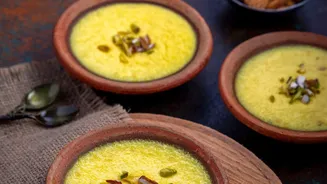





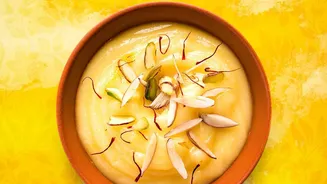

As the air turns cooler, our cravings shift to warmer, comforting sweets. This guide introduces a delightful seasonal variation on a beloved classic: Sitaphal Phirni, where creamy rice pudding meets the unique sweetness of custard apple.
An Introduction to Phirni
Phirni is a traditional
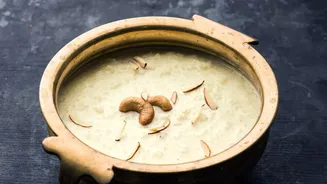
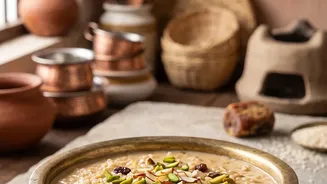
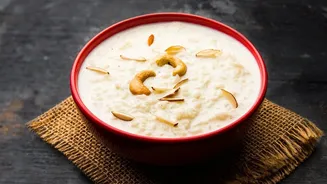
North Indian dessert that holds a special place in the country's culinary landscape, especially during festivals and celebrations. It is a creamy pudding made from ground rice that is slow-cooked in milk until it thickens. Unlike its close cousin, kheer, which uses whole rice grains, phirni's use of coarsely ground rice gives it a smoother, more uniform texture that is both rich and satisfying. Traditionally, it is flavoured with cardamom and saffron and served chilled in small earthenware bowls called 'shikoras' or 'matkas'. These porous bowls absorb excess moisture, making the phirni even thicker and imparting a subtle, earthy aroma that enhances the overall experience.
The Seasonal Star: Sitaphal
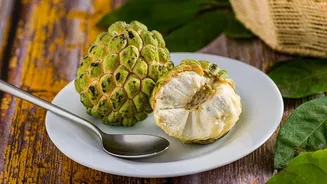
Sitaphal, or custard apple, is a cherished seasonal fruit in India, making its appearance during the monsoon and winter months, generally from August to November. With its bumpy green skin and soft, creamy white flesh, this fruit is beloved for its intense sweetness and unique, slightly grainy texture. The flavour is a fragrant blend of tropical notes, often compared to a mix of banana and pineapple. Deseeding the fruit requires a bit of patience, but the reward is a luscious pulp that is a dessert in itself. Rich in vitamins and fibre, sitaphal's arrival is eagerly awaited each year, and it finds its way into various sweets, shakes, and ice creams.
The Perfect Pairing
The combination of the classic, creamy phirni base with the fragrant pulp of sitaphal is a match made in heaven. The milky sweetness of the rice pudding provides the perfect canvas for the custard apple's distinct flavour to shine. The slight graininess of the fruit pulp adds a wonderful textural contrast to the smoothness of the phirni. The Nawabs of Hyderabad are sometimes credited with popularising this fruity addition, transforming the traditional dessert into a seasonal delicacy. When the phirni is chilled, the flavours meld together, creating a dessert that is refreshing, decadent, and a true celebration of the season's bounty.
Ingredients You Will Need
To create this delectable dessert, you will need:
For the Phirni Base:
¼ cup Basmati or other short-grain rice
1 litre Full-fat milk
½ cup Sugar (adjust to taste, as sitaphal is also sweet)
½ teaspoon Cardamom powder
For the Sitaphal Pulp:
1 cup Fresh Sitaphal (custard apple) pulp (from 2-3 medium-sized fruits)
For Garnish (Optional):
1 tablespoon Sliced pistachios
1 tablespoon Sliced almonds
A Step-by-Step Guide to Perfection
1. Prepare the Rice: Wash the rice thoroughly and soak it in water for about 30 minutes. Drain the water completely and spread the rice on a cloth or paper towel to air-dry slightly. Once drained, grind the rice in a blender to a coarse, semolina-like texture. Do not grind it into a fine powder. You can make this a paste by blending it with a quarter cup of the milk.
2. Cook the Phirni: In a heavy-bottomed pan, bring the milk to a boil over medium heat, stirring occasionally to prevent a skin from forming. Once it boils, reduce the heat to low and add the ground rice paste, stirring continuously to prevent any lumps from forming.
3. Simmer and Thicken: Cook the mixture on low heat for 15–20 minutes, stirring frequently. Scrape the sides of the pan as you go. The phirni is ready when the rice is fully cooked and the mixture has thickened to a creamy, coating consistency.
4. Sweeten and Flavour: Add the sugar and cardamom powder, stirring well until the sugar dissolves completely. Cook for another 5 minutes. Keep in mind that the sitaphal will add natural sweetness. Turn off the heat and let the phirni cool down slightly. It is important to let it cool, as adding the fruit to a very hot mixture can alter its flavour.
5. The Final Touch: Once the phirni is warm (not hot), gently fold in the fresh sitaphal pulp. Mix until just combined. Over–mixing can break down the delicate texture of the fruit.
6. Chill and Serve: Pour the Sitaphal Phirni into traditional earthenware bowls (matkas) or any serving bowls of your choice. Garnish with sliced pistachios and almonds. Allow it to cool to room temperature before covering and refrigerating for at least 4–6 hours, or overnight for the best results. Phirni is always best served chilled.