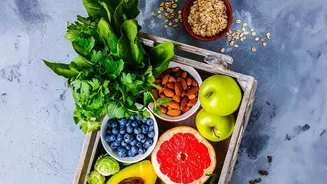







As a pleasant chill enters the November air, our local markets transform, offering a vibrant bounty of seasonal produce. Embracing this harvest is not just about flavour; it's a simple, effective strategy to diversify your nutritional intake.
Why Seasonal Eating Matters
Eating seasonally
means consuming produce that is harvested at its peak. This ensures you get the best flavour and, more importantly, the highest nutrient density. When fruits and vegetables are allowed to ripen naturally, their vitamin, mineral, and antioxidant levels are at their maximum. Shifting your diet with the seasons also encourages variety, which is key to a healthy gut microbiome and ensures you receive a wider spectrum of essential nutrients throughout the year. In November, nature provides exactly what our bodies need to stay warm and bolster immunity for the cooler months ahead.
Orange Powerhouses: Pumpkin and Sweet Potato
November brings a wealth of bright orange vegetables, most notably pumpkin (kaddu) and sweet potato (shakarkandi). These are nutritional superstars primarily due to their high concentration of beta-carotene, a compound the body converts into Vitamin A. Vitamin A is crucial for robust immune function, healthy vision, and glowing skin. Both are also excellent sources of dietary fibre, which aids digestion and helps regulate blood sugar levels. Additionally, they provide a healthy dose of Vitamin C, potassium, and magnesium, making them a fantastic, low-calorie addition to curries, soups, and roasted vegetable platters.
Hardy Greens: Spinach, Fenugreek, and Mustard
Winter greens are a cornerstone of the November harvest in India. Spinach (palak), fenugreek (methi), and mustard greens (sarson) are at their most tender and flavourful during this time. These leafy vegetables are packed with essential nutrients that can be harder to find in other food groups. They are exceptionally rich in iron, folate, calcium, and vitamins A, C, and K. Iron is vital for energy and preventing anaemia, while Vitamin K is essential for bone health. The high fibre content in these greens supports a healthy digestive system. From a simple palak paneer to the iconic sarson ka saag, incorporating these greens is a delicious way to boost your mineral intake.
Cruciferous Champions: Cauliflower and Cabbage
Cauliflower (gobi) and cabbage (patta gobhi) thrive in the cooler weather and are staples on the November table. As members of the cruciferous vegetable family, they contain beneficial plant compounds and are rich in nutrients. Both are excellent sources of Vitamin C, which is a powerful antioxidant that supports the immune system, and Vitamin K. They also provide a significant amount of dietary fibre, which promotes gut health and can help in managing cholesterol levels. Their versatility makes them easy to include in everything from stir-fries and sabzis to salads and pickles.
Root Vegetables: Carrots and Radishes
The cooler soil of November is perfect for root vegetables like carrots (gajar) and radishes (mooli). Carrots are famously loaded with beta-carotene, which supports eye health and immune function. Radishes are surprisingly nutritious, offering a good amount of Vitamin C and fibre. They are also known for their high water content and digestive benefits. Both can be enjoyed raw in salads, cooked in sabzis and soups, or famously, in the case of carrots, turned into the beloved dessert gajar ka halwa.
Seasonal Fruits: Pomegranate and Guava
November is a peak season for some of India’s most cherished fruits. Pomegranates (anaar) are packed with powerful antioxidants and are a great source of Vitamin C and potassium. They are known to support heart health and improve blood circulation. Guava (amrood) is another nutritional gem, containing even more Vitamin C than oranges, which is essential for warding off seasonal colds and infections. It is also rich in dietary fibre and antioxidants that contribute to healthy skin. Including these fruits as snacks or in juices is an easy way to get a powerful nutrient boost.