

The New Festive Table
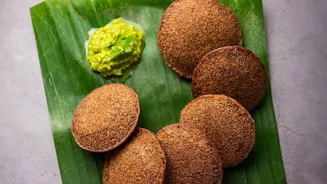
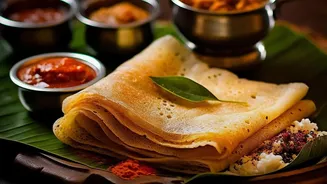
Not long ago, festival food was exclusively the domain of the family kitchen. Today, restaurants across India are diving deep into the country’s rich tapestry of festive cuisine, offering everything from elaborate Onam Sadyas served on banana leaves to meticulously
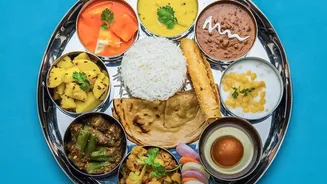
prepared Navratri thalis that adhere to strict fasting rules. During festivals like Durga Puja, Diwali, and Eid, restaurants see a significant spike in business, with some reporting sales increases of 30-40%. This isn't just about convenience; it's about a curated experience. Establishments from local eateries to five-star hotels now plan months in advance, designing special menus, themed decor, and sometimes even live music to capture the spirit of the occasion. This has turned dining out from a simple meal into a full-fledged cultural event, making the restaurant a destination for celebration itself.
Why We're Eating Out
The move from home-cooked traditions to restaurant-led celebrations is driven by modern life. With more nuclear families, busy schedules, and geographic distances, recreating elaborate, multi-dish festival meals at home has become a challenge for many. Restaurants fill this gap, offering a way to connect with cultural roots without the intensive labour. This trend caters to both the devout follower looking for authentic, onion-garlic-free 'vrat' food during Navratri and the curious foodie eager to explore a regional delicacy. For many, especially in urban centres like Bangalore and Delhi, it has become a new tradition to explore the city's festive offerings, turning celebrations like Onam into a city-wide food crawl. The result is a vibrant scene where entire neighbourhoods become hubs for festive feasting.
Tradition with a Twist
While authenticity is a major draw, many chefs are also using festivals as a canvas for innovation. They are reinterpreting age-old recipes with contemporary techniques and premium ingredients, offering a fresh perspective on classic flavours. During Navratri, for instance, a simple 'kuttu ki poori' might appear alongside creative dishes like Sabudana Bhelpuri or Shakarkandi Galouti. Similarly, for Onam, some chefs are deconstructing the traditional sadhya, turning a classic 'olan' curry into a clear consommé or reimagining 'pradhaman' as a toasted coconut cake. This blend of nostalgia and novelty appeals to a new generation of diners who appreciate their heritage but are also eager for new experiences. Luxury hotels like The Leela and ITC have embraced this, presenting opulent thalis that combine 'sattvik' ingredients with their signature finesse.
An Immersive Cultural Experience
The most successful festive offerings go beyond the plate. Restaurants are creating immersive atmospheres that transport diners into the heart of the celebration. During Durga Puja in Kolkata and beyond, eateries are decked out in 'alpona' motifs and the sound of 'dhaak' beats might fill the air, complementing a menu of Bengali classics like 'Kosha Mangsho' and 'Chingri Malaikari'. For Onam, the experience is defined by the communal joy of eating a 26-dish sadya from a banana leaf, a ritual that many restaurants now meticulously recreate. These thoughtfully designed environments, combining food with decor, music, and a communal spirit, are what truly transform a restaurant meal into a memorable festive destination, allowing diners to connect with the culture in a deep and meaningful way.