





What Are the Proposed BS-VII Norms?
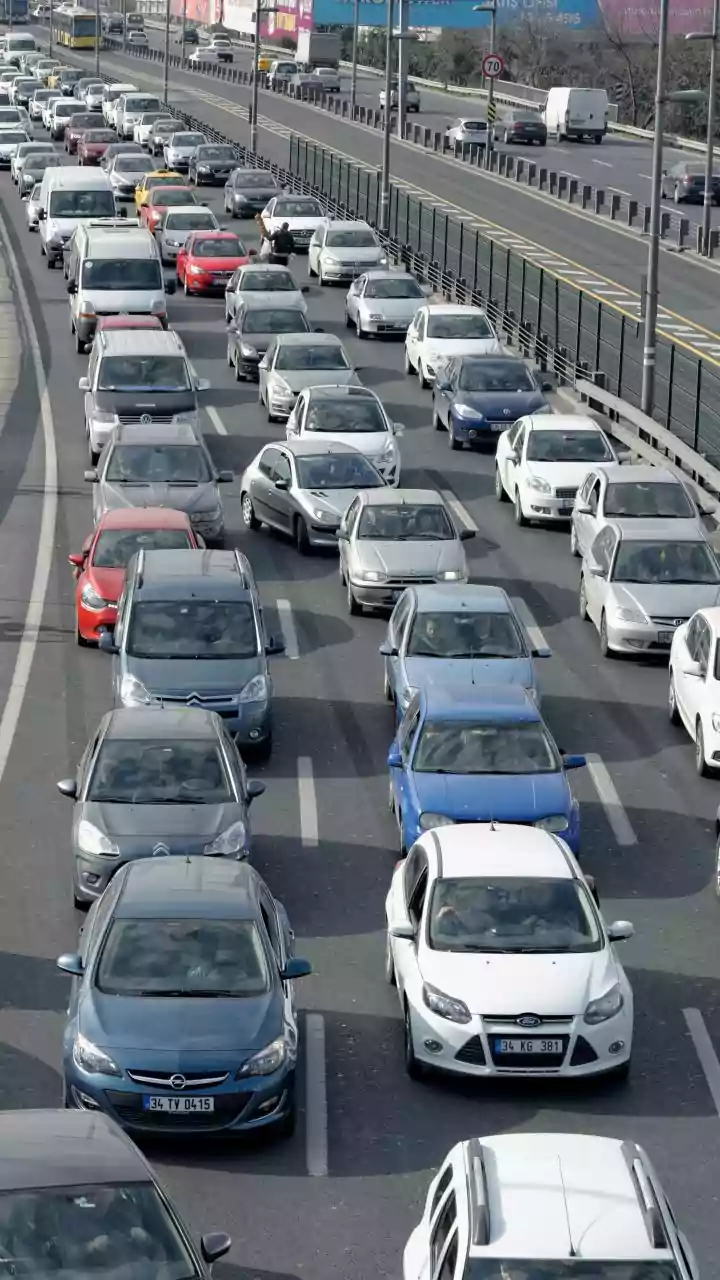
The Ministry of Road Transport and Highways has released draft rules for the next generation of vehicle standards, known as BS-VII. These norms aim to further tighten the limits on pollutants released by vehicles with internal combustion engines (ICE),
building on the BS-VI standards implemented in April 2020. However, the BS-VII proposal takes a much broader approach to vehicle pollution. For the first time, it aims to regulate non-exhaust emissions, such as particles from brake and tyre wear, which are produced by all vehicles, including electric ones. The proposed rules are slated for a phased rollout, with the first stage for new passenger cars set to begin on April 1, 2029.
A New Mandate: EV Battery Durability
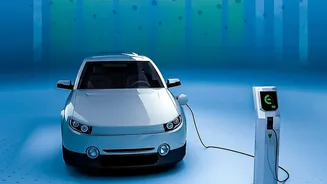
A groundbreaking part of the BS-VII draft is the introduction of minimum performance requirements for batteries in electric and plug-in hybrid vehicles. This directly addresses a major concern for potential EV buyers: battery degradation. According to the proposal, a vehicle's battery must retain at least 75% of its original energy capacity after five years of use or 100,000 kilometres, whichever comes first. The standard extends further, requiring at least 67% capacity retention up to eight years or 160,000 kilometres. This ensures that the battery's performance is guaranteed over a significant portion of the vehicle's lifespan, not just when it leaves the showroom.
Why Regulate Battery Health?
Regulating battery durability is a significant step towards building a robust and trustworthy EV ecosystem. For consumers, it provides a crucial baseline for performance and longevity, potentially reducing long-term ownership costs and 'range anxiety' that stems from a degrading battery. This mandate is expected to make the used EV market more transparent and reliable, as battery health information will become a standardized metric. By ensuring batteries last longer, the rules also address the environmental impact associated with battery production and disposal, promoting sustainability across the vehicle's entire lifecycle. It establishes a clear benchmark for manufacturers and protects consumers from premature and costly battery failures.
Impact on Automakers and Car Buyers
For automakers, these new rules will require additional investment in research, battery management systems, and compliance testing to ensure their products meet the durability standards. While this could lead to an increase in the upfront cost of new electric vehicles, the long-term benefits for consumers are substantial. Buyers will gain peace of mind from knowing their vehicle's battery is built to last, which will likely be reflected in better warranty terms and higher resale values. The draft rules also propose an 'Environmental Vehicle Passport' which would give owners clear, accessible information on their vehicle's fuel consumption, emissions, and critically, the state of health of the battery.
What's Next for the BS-VII Rules?
The proposals are currently in a draft stage. The Ministry of Road Transport and Highways published the notification in mid-October 2026 and has invited suggestions and objections from the public and stakeholders for a 30-day period. After this consultation phase, the government will consider the feedback before finalizing the rules. The phased implementation is set to begin in 2029 for passenger cars, with subsequent phases in 2031 and 2035 introducing stricter limits and additional regulations like those for brake dust and tyre wear. Existing vehicles, including those compliant with BS-VI standards, will not be affected by these new rules.