



The Soul of a Story
There’s a quiet rejection of the mass-produced catalogue look happening in living rooms and bedrooms across the country. Instead of buying everything new, there is a growing desire for spaces filled with character and warmth. This is where reclaimed and restored
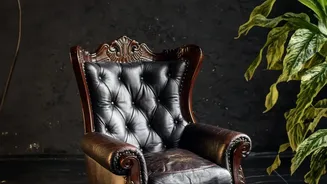
pieces come in. 'Reclaimed' refers to materials salvaged from old structures—think timber from a demolished haveli, discarded railway sleepers, or floorboards from an old factory. 'Restored' pieces are vintage or antique items that have been repaired, polished, or reupholstered for a new life. Unlike new items, these pieces come with a past. A dining table made from an old door or a lovingly restored teak armchair carries a narrative, adding a layer of soul that brand-new furniture often cannot replicate.
Connecting With History and Craft
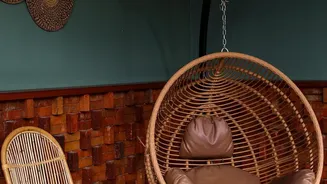
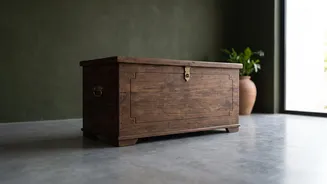
This trend is more than just an aesthetic choice; it’s about a connection to history and heritage. An inherited chest of drawers, a polished Burma teak bookshelf, or even a vintage brass milk can used as a vase can ground a modern room with a sense of history and nostalgia. These items serve as physical reminders of family memories and cultural traditions. Furthermore, this movement celebrates India's rich legacy of craftsmanship. Many designers and studios are now collaborating with local artisans to reinterpret traditional forms for contemporary homes. By incorporating pieces made from hand-carved wood, cane, or brass, homeowners are not just decorating; they are becoming patrons of age-old skills and supporting local craft communities.
The Sustainable Shift
A significant driver of this trend is a growing consciousness around sustainability. Choosing reclaimed wood reduces the need for new logging, helping to preserve natural resources. By giving old materials a new purpose, this approach minimises waste that would otherwise end up in landfills. For many, it's a way to design a beautiful home while being kinder to the planet. This eco-friendly mindset extends beyond just wood. Designers and brands are creatively upcycling everything from discarded textiles to used tyres, transforming them into unique furniture and decor. This shift proves that sustainable choices don't require a compromise on style; in fact, they often lead to more innovative and meaningful design.
Achieving the Perfect Balance
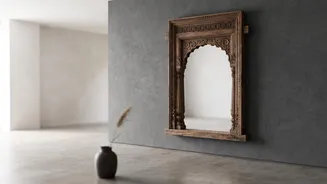
Incorporating these elements doesn't mean your home has to look like a museum. The key is balance and contrast. The most successful spaces mix periods and styles, creating a conversation between the past and the present. A single statement piece, like a carved wooden cabinet or a heritage chest used as a coffee table, can become the focal point of a room. To keep the look modern and fresh, pair these textured, historic pieces with clean lines, neutral walls, and contemporary lighting. For instance, a rustic reclaimed wood dining table can look incredibly chic when surrounded by modern chairs, or a vintage armchair can be updated with bold, new upholstery. This juxtaposition is what makes the interior feel collected, personal, and distinctly contemporary.