




The Engine Room of AI
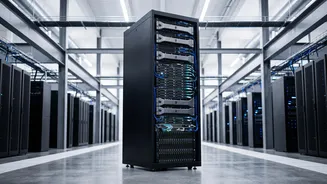
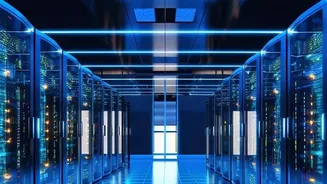
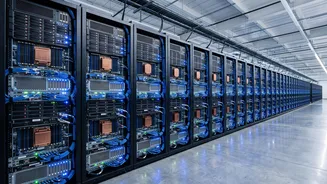
To understand the weight of this change, one must first grasp what AI infrastructure at Meta entails. It's not just servers in a rack; it's the entire circulatory and nervous system for the company's colossal artificial intelligence ambitions. This includes
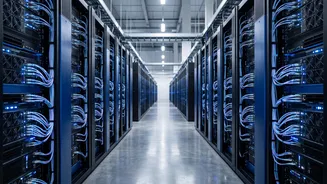
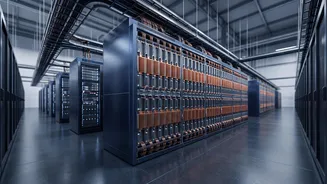
everything from the sprawling, custom-built data centers that consume gigawatts of power to the specialized networks and, crucially, the custom silicon chips that Meta designs in-house. Santosh Janardhan, a 17-year veteran who joined back when the company was still just Facebook, has been a principal architect of this global machine. His domain is responsible for powering every AI-driven feature you interact with, from the algorithm that decides which Reel to show you next, to the complex models behind the Ray-Ban smart glasses and the company's long-term pursuit of artificial general intelligence (AGI). The departure of such a foundational leader, even a planned one, sends a tremor through this critical engine room.
A Transition Years in the Making
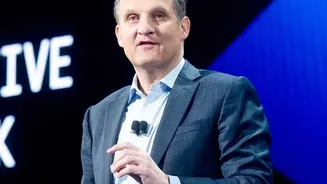
In the tech industry, executive departures are often abrupt. A long, two-year transition is rare and speaks volumes about the executive's importance. This isn't a sudden exit; it's a carefully managed succession. Janardhan will stay on through the first quarter of 2027 to ensure a smooth handover to his successor, Dave Brown, a former Amazon Web Services (AWS) executive who was strategically hired in mid-2026. This long runway suggests Janardhan’s role is deeply embedded in projects that will take years to mature. It gives Meta crucial time to transfer knowledge and maintain momentum on multi-year infrastructure projects, like its plan to build out tens of gigawatts of AI compute capacity. Still, the announcement creates a period of prolonged transition, a state that can sometimes lead to uncertainty within crucial engineering teams.
Impact on Meta's Grand Ambitions
This leadership change comes at a pivotal moment. CEO Mark Zuckerberg has staked Meta's future on two transformative, and costly, bets: the metaverse and AI leadership. The company is investing hundreds of billions of dollars into building the computing power necessary to train and run next-generation AI models. Zuckerberg’s vision is to create a form of 'personal superintelligence' for every user, a goal that requires unprecedented scale in its underlying hardware and software systems. Janardhan was a co-lead of the 'Meta Compute' initiative, the very group tasked with the long-term strategy for acquiring and managing this computing power. His departure, and Brown’s arrival from AWS, signals Meta's recognition that scaling for AI is a fundamentally different challenge than scaling for social media. The success of this transition will directly impact how quickly Meta can achieve its goal of embedding advanced AI into all its products.
The Competitive Chessboard
The war for top AI talent is the defining battle in the tech industry today. Every major player, from Google to Microsoft and Amazon, is fighting to hire and retain the handful of experts who can architect and manage hyperscale AI systems. A leadership change at such a senior level is a significant event on this competitive chessboard. While Meta has secured a high-profile replacement in Dave Brown, the transition period is a window of opportunity for rivals. Competitors will undoubtedly watch for any signs of instability, potentially targeting other key members of Meta's decorated infrastructure team. The move also highlights an industry trend of tech giants poaching top talent from cloud providers like AWS, who have a long track record of managing massive-scale infrastructure. How smoothly Meta navigates this change will be seen as a test of its organisational resilience and its ability to retain the architects of its AI-powered future.