



More Than a Potted Plant
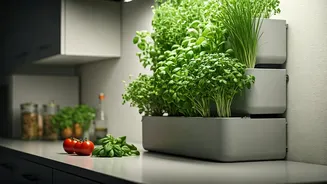
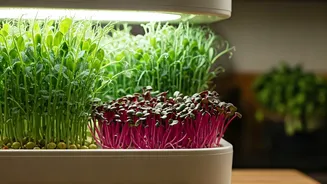
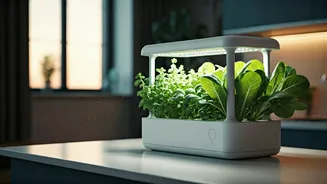
First, let’s be clear: this isn’t your grandma’s windowsill herb garden. Smart hydroponic kits are self-contained, automated ecosystems for your countertop. Forget soil, sunlight, or even a green thumb. These devices use water mixed with mineral nutrient
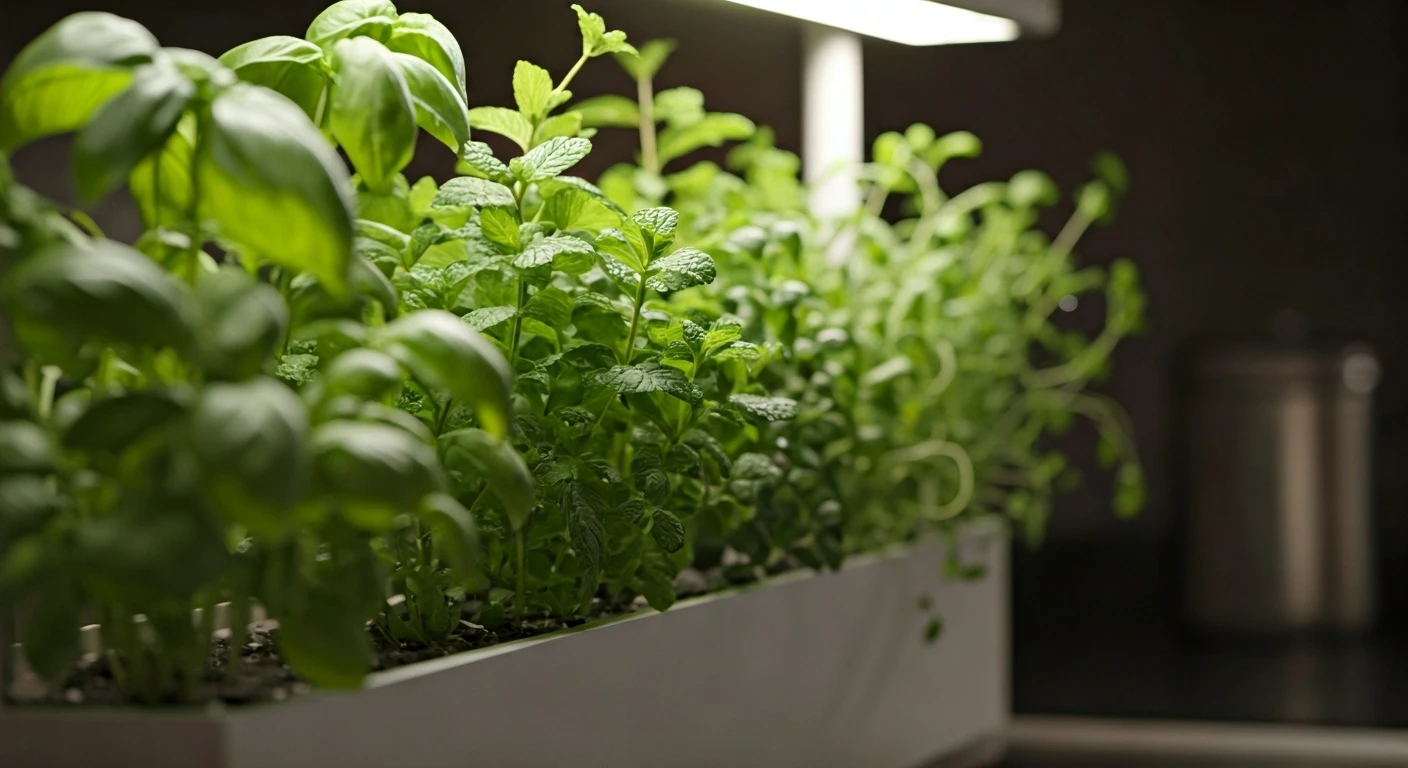
solutions, full-spectrum LED lights that mimic the sun, and automated timers to create a perfect growing environment. All you do is pop in a seed pod—whether it’s basil, cherry tomatoes, or even chili peppers—fill a water reservoir, and add nutrients every few weeks. The system does the rest, often prompting you via a blinking light or a smartphone app when it needs attention. It’s gardening for the age of the smart home, designed for people who have more ambition than time, and more concrete than garden space.
A Perfect Storm for Demand
So why is everyone suddenly desperate to grow lettuce next to their coffee maker? The trend is a product of a perfect storm of recent cultural shifts. The pandemic played a huge role, forcing millions of people indoors to confront their reliance on grocery stores and fragile supply chains. The urge to secure a fresh food source—even a small one—became palpable. At the same time, it sparked a boom in home-based hobbies that offered a sense of control and accomplishment in a chaotic world. Baking sourdough was one; tending to a tiny, productive garden was another. This dovetailed perfectly with the pre-existing wellness movement, which emphasizes clean eating, organic produce, and knowing exactly where your food comes from. Having hyper-local, pesticide-free herbs at your fingertips is the ultimate wellness flex.
The Appeal of 'Productive Decor'
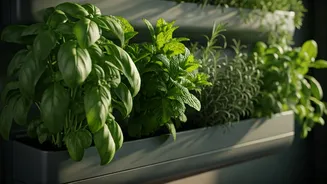
Let’s not forget the aesthetic component. These kits aren't just functional; they're designed to be beautiful. With their minimalist designs and the warm, purple-hued glow of their LED lights, they double as 'productive decor.' In small urban apartments where every square foot counts, an item has to earn its place. A smart garden is a living piece of art that also puts salad on your plate. It's a conversation starter that signals you're tech-savvy, health-conscious, and a little bit domestic. Social media has amplified this, with influencers showcasing their countertop harvests and turning the simple act of snipping fresh mint for a mojito into aspirational content. For city dwellers, it offers a tangible, low-maintenance connection to nature that a snake plant just can't match.
Is It a Fad or the Future?
With prices for starter kits ranging from $100 to nearly $1,000 for larger, multi-tiered units, this isn’t a cheap hobby. Skeptics point out that you could buy a lifetime supply of basil for the cost of one high-end machine. And they're not wrong. On a pure cost-per-ounce basis, a smart garden is rarely a money-saver. But that’s missing the point. People aren’t buying these as a replacement for the grocery store; they’re buying them for the superior freshness, the convenience, and the joy of the experience. The real question is whether this signals a broader shift. As the technology becomes cheaper and more efficient, could decentralized, in-home food production become a meaningful supplement to our urban food systems? It's unlikely to solve food deserts, but it does represent a powerful step toward consumers reclaiming a small piece of their food chain.