


Rediscovering a Humble Super Grain
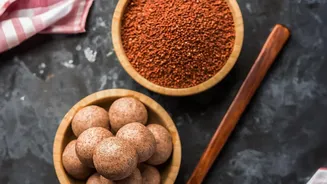
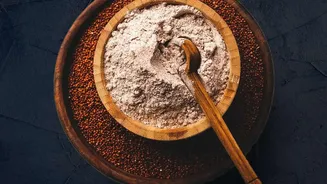
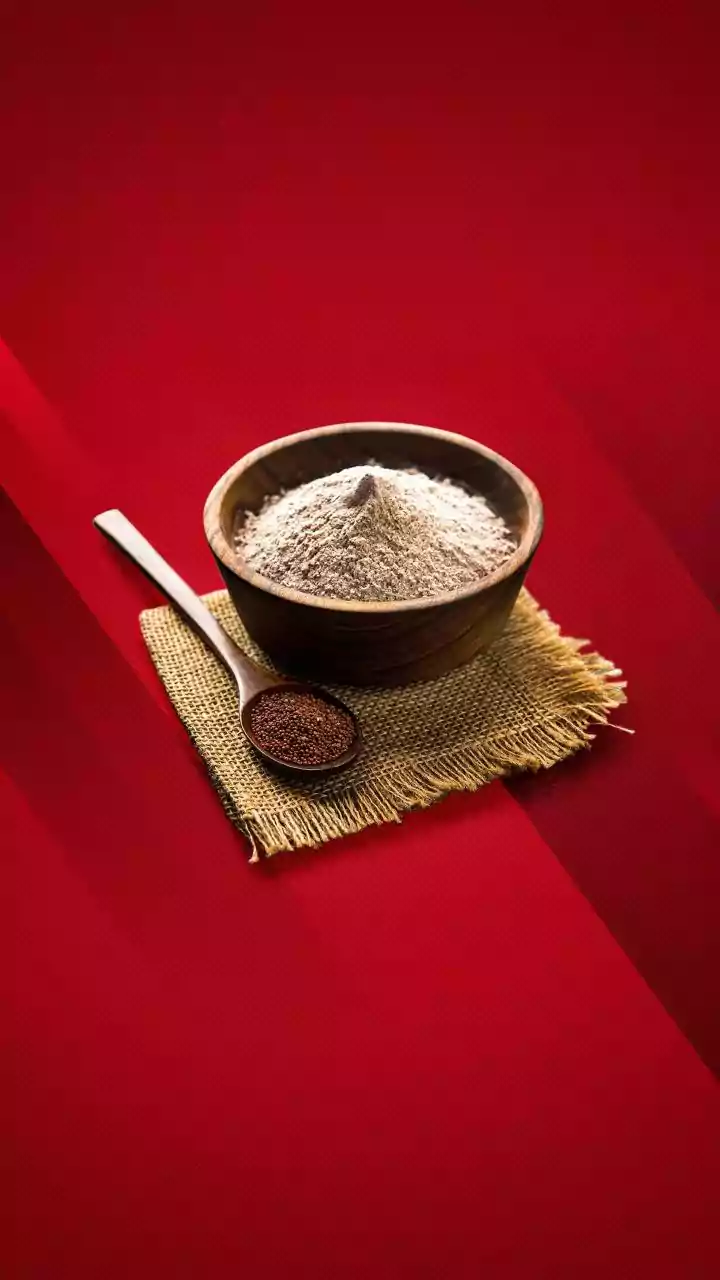
Ragi, also known as finger millet, is an ancient grain that has been a staple in Indian households for thousands of years. Thriving in harsh, dry climates, this small, reddish-brown grain has nourished communities for centuries, particularly in states
like Karnataka and Maharashtra. Once considered a humble rural food, ragi is now making a major comeback in urban kitchens, celebrated for its impressive nutritional profile and versatility. Unlike many modern grains, it is typically consumed in its whole form, ensuring that none of its natural goodness is lost during processing. This resurgence is driven by a growing awareness of its benefits, moving it from traditional porridges and flatbreads into contemporary dishes.
A Nutritional Powerhouse on Your Plate
One of the most significant attributes of ragi is that it is naturally gluten-free, making it an excellent and safe option for individuals with celiac disease or gluten sensitivity. But its benefits extend far beyond that. Ragi is one of the best non-dairy sources of calcium, crucial for developing strong bones and teeth. It is also packed with dietary fibre, which aids digestion, promotes a feeling of fullness, and can assist in weight management. Furthermore, ragi is a good source of iron, which helps combat fatigue, and contains essential amino acids like tryptophan and methionine that are vital for repairing body tissues. With a low glycemic index, it releases sugar into the bloodstream slowly, making it a favourable choice for managing blood sugar levels.
Crafting Your Savoury Ragi Crepes
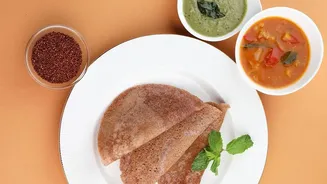
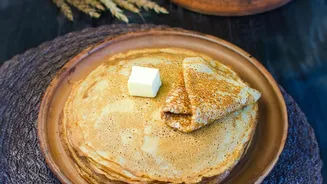
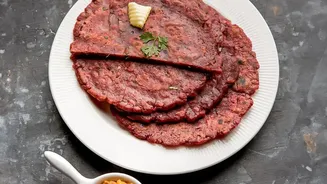
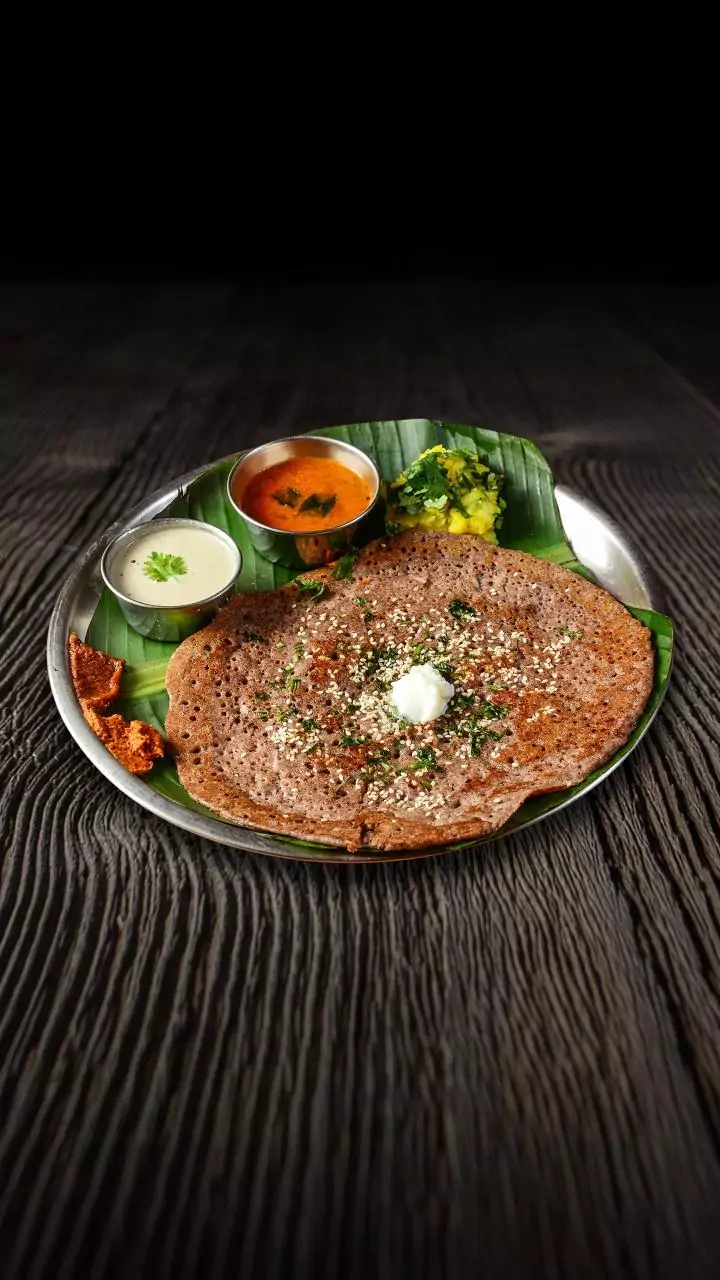
Making these nutrient-dense crepes, often called ragi dosas, is simpler than you might think. While many recipes exist, a basic version involves creating a thin batter that can be quickly cooked on a griddle. To start, combine one cup of ragi flour with a quarter cup of rice flour (for crispiness) and a quarter cup of fine semolina (rava). To this dry mix, add about half a cup of curd (yoghurt) and gradually whisk in water until you have a smooth, thin, pourable batter, similar to the consistency of buttermilk. Let this batter rest for at least 15-20 minutes. Just before cooking, stir in finely chopped onions, green chillies, fresh coriander, and a teaspoon of cumin seeds for a burst of savoury flavour. Ensure your batter is runny enough to spread easily.
The Perfect Cook and Customisation
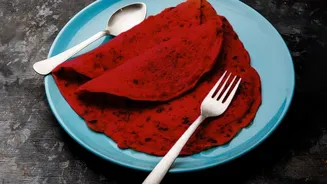
To cook the crepes, heat a non-stick tawa or griddle over a medium-high flame. Once hot, pour a ladleful of the batter onto the pan, spreading it in a circular motion to form a thin crepe. Unlike traditional dosas, this batter is often poured rather than spread with the ladle. Drizzle a little oil or ghee around the edges and cook for two to three minutes, or until the bottom is golden brown and the edges begin to lift. Typically, these thin crepes only need to be cooked on one side. For customisation, the options are endless. You can serve them plain with coconut or tomato chutney, or add a filling just before folding. Popular fillings include spiced mashed potatoes, crumbled paneer with herbs, or a simple mix of finely chopped stir-fried vegetables.