





Could a simple, daily snack help keep your mind sharp as you age? A fascinating new study suggests that eating peanuts might do just that, offering a promising, easy-to-implement strategy for supporting brain health in later life.
A Closer Look at the Study
Researchers at Maastricht
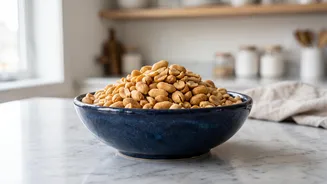
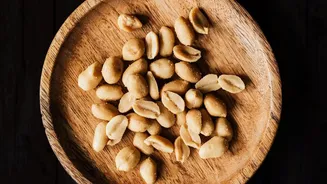
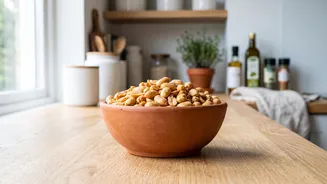
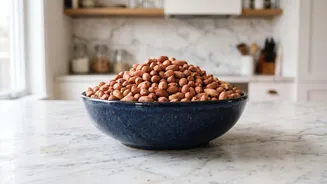
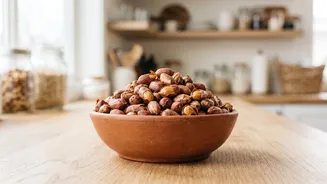
University Medical Center in the Netherlands conducted a study to explore the link between peanut consumption and cognitive function in older adults. The trial involved 31 healthy participants between the ages of 60 and 75. In a rigorous design, each participant followed two phases: one where they consumed 60 grams (about two servings) of unsalted, skin-roasted peanuts daily for 16 weeks, and a control phase where they ate no peanuts. This allowed scientists to directly compare the effects of peanut consumption within the same individuals. The study specifically used peanuts with the skin on, as the skin is rich in beneficial compounds.
What Did the Research Uncover?
The findings were quite encouraging. After 16 weeks of daily peanut consumption, participants showed significant improvements in key areas related to brain health. One of the primary findings was a 3.6% increase in overall cerebral blood flow, which is crucial for delivering oxygen and nutrients to the brain. This increased blood flow was particularly noted in the brain's frontal and temporal lobes, areas vital for memory and information processing. Consequently, participants demonstrated a 5.8% improvement in verbal memory. Another key finding from a later analysis of the same study was an improvement in the brain's insulin responsiveness in regions critical for memory, such as the hippocampus. As people age, the brain can become less responsive to insulin, a change linked to cognitive decline.
The Science Behind the Shell
So, what is it about peanuts that makes them a potential 'brain food'? Peanuts contain a unique combination of nutrients and bioactive compounds. They are a rich source of L-arginine, an amino acid the body uses to produce nitric oxide. Nitric oxide helps relax blood vessels, which improves blood flow throughout the body, including to the brain. Peanuts, especially their skins, are also packed with polyphenols like resveratrol. These compounds have antioxidant and anti-inflammatory properties that can help protect brain cells from damage and support vascular health. The combination of healthy unsaturated fats, protein, fiber, and micronutrients like niacin and vitamin E further contributes to their brain-protective profile.
Context, Caveats, and Takeaways
While these results are promising, it's important to view them in context. This was a small study with only 31 participants. The researchers themselves stress that the findings do not prove that eating peanuts can prevent Alzheimer's disease or other forms of dementia. Instead, the study highlights a potential mechanism—improved blood flow and insulin sensitivity—by which peanuts may contribute to better cognitive health. Experts advise that a single food is never a magic bullet. The strongest evidence for long-term brain health continues to point toward overall healthy dietary patterns, like the Mediterranean diet, which emphasizes a variety of whole foods, including nuts.
Putting the Findings into Practice
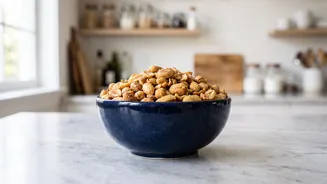
If you're interested in the potential benefits, incorporating peanuts into your diet is straightforward. The study used a portion of 60 grams per day, which is equivalent to about two small handfuls. Participants were free to eat them as a snack or as part of a meal. For the best results, it is recommended to choose unsalted, skin-on roasted peanuts to maximize your intake of beneficial polyphenols and control your sodium intake. While peanuts are nutrient-dense, they are also high in calories, so it's wise to substitute them for less healthy snacks rather than simply adding them on top of your existing diet. As always, a balanced approach is the most effective strategy for long-term health.