







The New Green on the Desk
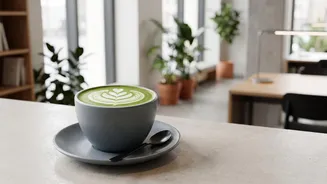
For years, the Iced Americano has been the undisputed fuel for India's tech workforce—a quick, sharp jolt of caffeine to power through coding sprints and long meetings. But a new contender is rapidly gaining ground. The matcha latte, once a niche item
found only in specialty cafes, is now a common sight in office pantries and a best-seller at cafes surrounding major tech parks. This shift isn't just a fleeting trend; it reflects a deeper change in how professionals approach productivity and wellness. Data shows that functional beverages, those offering health benefits beyond simple refreshment, are a defining trend in urban India. Consumers, especially in high-pressure environments like tech, are increasingly seeking drinks that enhance focus and reduce stress, a niche that matcha seems perfectly poised to fill. The growing interest is clear, with Google searches in India for terms like "how to make matcha" and "matcha vs coffee" surging dramatically over the last year.
The Science of 'Calm Alertness'
The core appeal of matcha in a demanding work environment lies in its unique chemical makeup. While a standard cup of coffee delivers a high dose of caffeine that can lead to a sharp spike in energy followed by a crash, matcha offers something different. It contains a moderate amount of caffeine alongside a powerful amino acid called L-theanine. This combination is the key to what many describe as "calm alertness." Research shows that L-theanine works synergistically with caffeine to improve cognitive performance, enhance attention, and sharpen reaction time, all while counteracting the jitteriness and anxiety that caffeine alone can cause. Instead of a jarring energy spike, matcha provides a smoother, more sustained boost that can last for four to six hours. For a developer deep in code or a project manager navigating back-to-back calls, this promises sustained focus without the distracting side effects of their old coffee order.
A Symbol of Modern Wellness
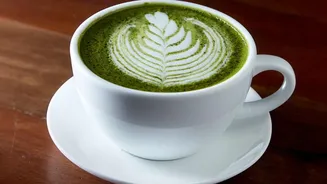
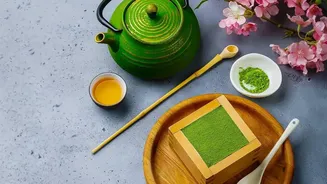
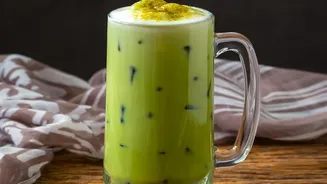
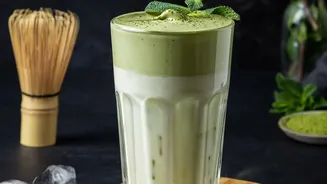
Beyond its functional benefits, the matcha latte is also a status symbol that aligns perfectly with the modern tech industry's values. It’s not just a drink; it's a statement. In a culture that prioritizes efficiency, bio-hacking, and wellness, choosing matcha over coffee signals a conscious investment in one’s health and performance. The drink is rich in antioxidants, particularly EGCG, which are linked to various health benefits like protecting against cell damage and supporting cardiovascular health. Furthermore, the ritual of preparing matcha—whisking the bright green powder into a frothy beverage—can be a mindful moment in a hectic day, a stark contrast to the grab-and-go nature of an iced coffee. This ceremonial aspect resonates with a growing desire for mindful consumption. As companies increasingly promote employee wellness, the photogenic, health-forward matcha latte has become the perfect accessory for the ambitious, wellness-conscious professional.
Is This the End of an Era for Coffee?
So, is the Iced Americano truly being replaced? Not entirely. Coffee is deeply ingrained in work culture and isn't going anywhere overnight. However, the headline-making claim points to a significant diversification in workplace beverage habits. Matcha has successfully positioned itself as a formidable alternative, especially for those sensitive to coffee's effects or seeking a more balanced energy source. Cafes that once centered their entire identity around coffee are now expanding their menus with multiple matcha options, from classic lattes to inventive versions with coconut or white chocolate, to cater to this growing demand. This trend suggests that the modern worker is no longer looking for a single source of energy but is building a toolkit of options to manage their productivity and well-being. The rise of the matcha latte is less about replacing coffee and more about the end of its monopoly on the desks of India's tech professionals.