


From Sightseeing to 'Sight-Doing'
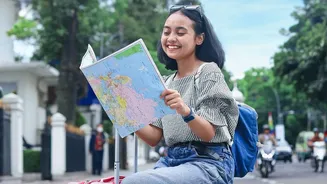
For decades, international travel was about checking boxes: the Eiffel Tower, the Colosseum, a gondola ride in Venice. Today, there's a fundamental shift happening, led by younger, digitally-savvy Indians. The focus is moving from passive sightseeing
to active 'sight-doing'. This trend, often called experiential travel, prioritises immersion over observation. Instead of just seeing a country, the goal is to participate in a unique cultural moment. This might mean joining the vibrant chaos of Spain's La Tomatina or feeling the collective energy at Belgium's Tomorrowland music festival. According to travel industry reports, this segment is booming, with a growing number of travellers seeking authentic engagement.
The Social Media & FOMO Effect
A quick scroll through Instagram or YouTube reveals a powerful force behind this trend: the fear of missing out (FOMO). Lavish stage productions, massive crowds, and iconic moments from festivals like Coachella and Tomorrowland are shared globally in an instant, creating powerful, aspirational content. These events are no longer distant dreams but tangible, bucket-list goals. Travel companies report that social media allure is a significant demand driver, with movies like 'Zindagi Na Milegi Dobara' also playing a role in romanticising festival-centric travel. For many Gen Z travellers, the primary motivation for a trip is to capture and share these unique experiences, which often hold more social currency than traditional travel photos.
A New Kind of Travel Itinerary
This shift has given rise to a new way of planning vacations. The festival is no longer a side activity but the main anchor of the entire trip. According to a survey by Airbnb, over 62% of Indian Gen Z plan to travel for concerts in 2026. Crucially, these travellers don't just fly in and out for the event. More than half extend their trips to explore the local culture, neighbourhoods, and food scenes of the host city. This has led to the rise of specialised travel companies that curate festival-led holidays. These agencies create packages that include festival tickets, accommodation, transfers, and even group leaders, making complex international trips more accessible. Itineraries are often customised to blend the high-energy festival experience with local sightseeing and cultural immersion.
The Economics of the Experience
While a trip to a major European festival sounds expensive, a combination of factors is making it more attainable. Group travel is a huge component, with over 70% of young travellers attending these events with friends. This allows for shared costs on accommodation and transport. Furthermore, the market is adapting with options for various budgets. Travel companies offer everything from budget-friendly packages to premium luxury experiences. Many young professionals are willing to allocate a significant portion of their income to these trips, seeing them as a worthwhile investment in life experiences rather than material goods. For events like Tomorrowland, global journey packages that bundle flights and festival passes are popular options for Indian attendees.
More Than Just Music
While electronic dance music festivals are a massive draw, this trend extends across various types of cultural events. Germany's Oktoberfest, once a niche interest, now sees a significant and growing number of Indian visitors annually. Similarly, cultural celebrations like the Songkran water festival in Thailand and the Rio Carnival in Brazil are becoming primary reasons for Indians to visit these countries for the first time. This 'travel for a reason' approach is also boosting domestic tourism, with Indian festivals like the Rann Utsav in Gujarat and the Ziro Music Festival in Arunachal Pradesh attracting visitors from across the country and the world.