



Why Devil's Ivy is the Perfect Plant
Devil's Ivy (Epipremnum aureum), known affectionately in India as the Money Plant or simply Pothos, is the undisputed champion of indoor vines for several reasons. First, it's incredibly resilient. This is a plant that forgives forgetfulness, making it perfect
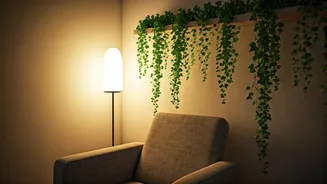
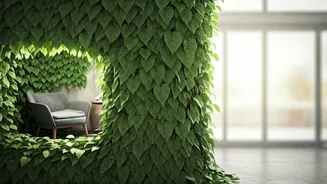
for both seasoned plant parents and absolute beginners. It thrives in a wide range of lighting conditions, including the lower light often found in nooks and alcoves, which would cause other plants to falter. Its rapid growth and naturally trailing vines are its main attraction. Within months, you can have long, elegant stems that are ready to be styled into the leafy drapes that make a reading corner feel like a secret garden hideaway.
Finding and Preparing Your Nook
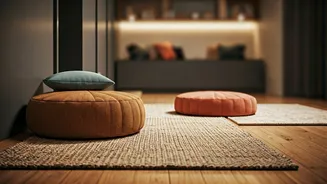
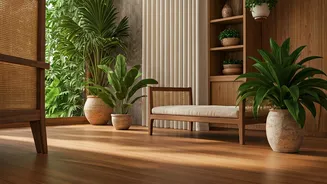
Almost any small, underutilised space can be transformed. Look for a corner in your bedroom or living room, a space under a staircase, or even a wide windowsill. The key is a sense of enclosure. For an alcove to feel 'cozy', it needs defined boundaries on at least two sides. Once you've chosen your spot, declutter it completely. A fresh coat of paint in a warm, soft colour like a creamy white, a gentle beige, or a muted sage can work wonders. Most importantly, ensure you have comfortable seating—a plush armchair, a snug bench with cushions, or even a large floor pillow—and good reading light. A dedicated floor lamp or a wall-mounted sconce will prevent eye strain and add to the ambiance.
Positioning Your Plant for Draping
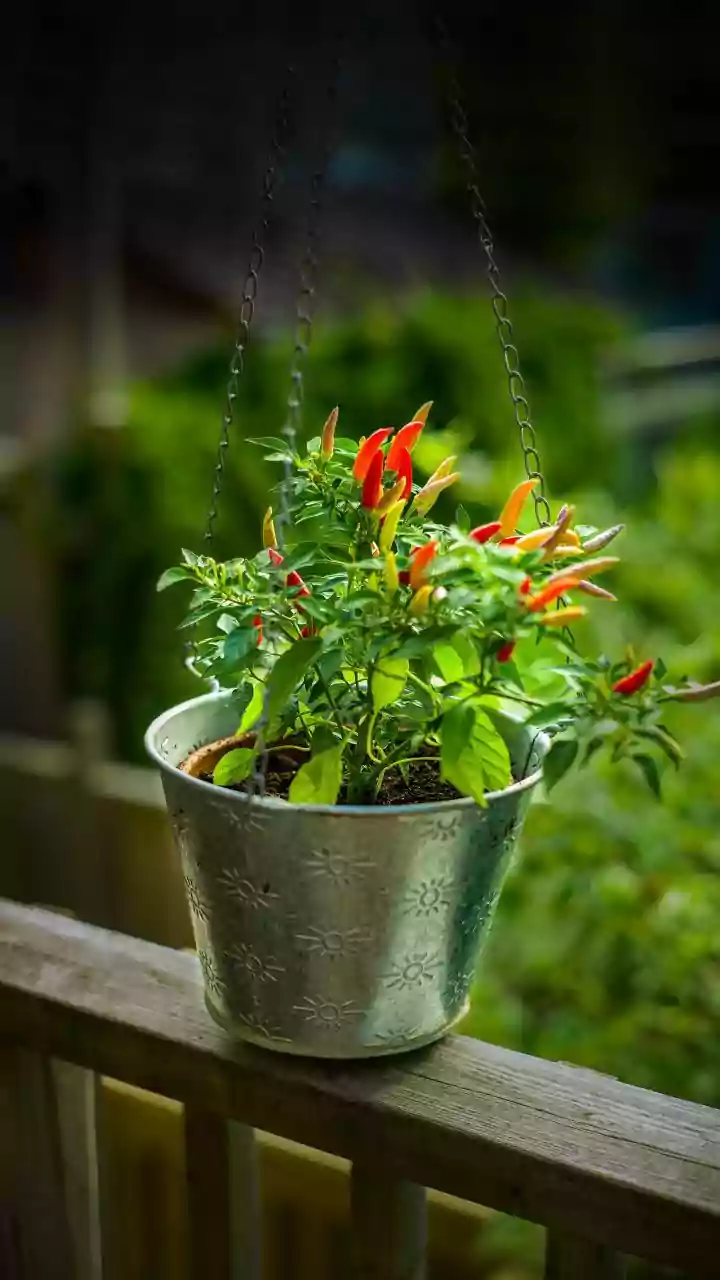
To create the 'drape' effect, you need to give the vines a starting point from above. The simplest method is to place the potted Devil's Ivy on a high shelf above your reading nook. If you don't have a shelf, installing a small floating shelf is an easy weekend project. Another excellent option is to use a hanging planter. Suspend the pot from a hook screwed securely into the ceiling, positioning it just to the side of your alcove. This allows the vines to cascade down naturally. For a fuller, more dramatic look, consider using two or three smaller plants placed strategically, rather than one single large one. This will give you more vines to work with and create a denser curtain of green.
The Art of Training Your Vines
This is where the magic happens. As your Devil's Ivy grows, its vines will start to hang down. Instead of letting them hang randomly, you will gently guide them to form a curtain. The best tools for this are small, clear, self-adhesive hooks. These are inexpensive, widely available, and won't damage your walls. Plan the path for your vines. Do you want them to frame the entrance to the alcove? Or create a gentle curve along the wall? Stick the hooks along your desired path, about 12-18 inches apart. Then, gently rest the ivy vines onto the hooks. Don't force or bend them too sharply. Over time, as the vines grow longer, you can continue to guide them along the hooks, creating an intricate and beautiful living tapestry.
Care for Lush, Long-Lasting Growth
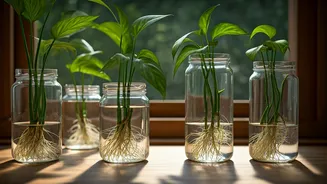
To keep your green drapes looking lush, follow these simple care tips. Water your Devil's Ivy only when the top inch or two of soil feels dry. It prefers to be slightly dry than waterlogged, which can cause root rot. Pruning is your secret weapon for a fuller plant. If a vine looks sparse, simply snip it back. This encourages the plant to branch out, creating more vines and a denser appearance. You can even place the cuttings in a glass of water to root them and create new plants! Feed your plant with a balanced liquid fertiliser every 4-6 weeks during the growing season (spring and summer) to encourage vigorous growth, but reduce feeding in the winter.
A Note for Pet Owners
While Devil's Ivy is a wonderful addition to the home, it's important to know that it is toxic to cats and dogs if ingested. The calcium oxalate crystals in the leaves can cause irritation, swelling, and vomiting. If you have curious pets that like to chew on plants, this draping method might not be for you. However, since the goal is to place the plant high up and train the vines along the wall, it often keeps them well out of reach of most pets. Always assess your own pet's behaviour and prioritise their safety when bringing any new plant into your home.