



The New Reality: Water-Wise Gardening
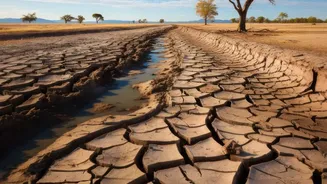
Across India, from bustling cities to quiet towns, the need for water conservation is becoming a part of daily life. This shift, driven by harsher summers and less predictable monsoons, is changing how we approach our green spaces. Water-wise gardening,
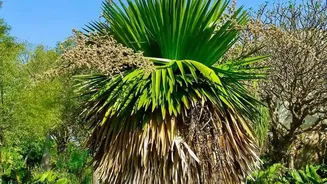
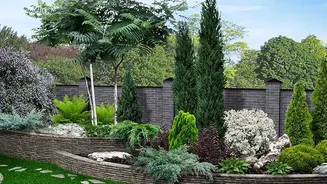
sometimes called 'xeriscaping', is no longer a niche concept but a practical necessity. The goal isn't to create a barren, plant-less yard; it's to design a garden that is both beautiful and functional, thriving within our unique climate by using less water. This involves more than just turning off the hose. It requires a fundamental understanding of how to choose the right plants that are naturally suited to the environment, saving you time, effort, and a vital natural resource.
The First Year Is Different
A common mistake in low-water gardening is assuming a 'drought-tolerant' plant needs no water from day one. The first year in the ground is the 'establishment period'. During this critical time, newly planted trees, shrubs, and perennials are developing the deep, robust root systems that will sustain them later. Initially, their roots are small and fragile, confined to the original root ball, making them vulnerable to drying out. They require more frequent, consistent watering to encourage roots to grow outwards and deep into the surrounding soil. A general rule of thumb is that a new plant might need watering every few days for the first couple of weeks, gradually decreasing to once a week over the next few months as it becomes established. Ignoring this phase is the fastest way to lose a plant that would otherwise have thrived.
Planning for the Long Term
Once a plant is established—a process that can take one to three years for shrubs and trees—its water needs change dramatically. This is where long-term planning pays off. A mature, drought-tolerant plant has a vast root system capable of finding moisture deep in the soil, allowing it to withstand long periods without rain or irrigation. When selecting plants, look beyond their immediate needs and consider their mature profile. They can be broadly grouped into low, moderate, and high water-use categories. Very-low-water plants, often called xeric plants, may only need deep watering a few times during a dry summer, while low-water plants might need it weekly. Understanding these mature requirements is the key to creating a truly low-maintenance landscape.
Smart Grouping: The Power of Hydrozoning
One of the most effective water-saving techniques is 'hydrozoning'. This is the simple but powerful practice of grouping plants with similar water, sun, and soil needs together. Instead of having a thirsty fern next to a drought-loving succulent, you create distinct zones in your garden. A 'high-water' zone might be a small, manageable area near a tap for your leafy annuals and vegetables. A 'moderate-water' zone could house flowering shrubs, while a 'low-water' zone would be perfect for hardy natives and succulents that thrive on neglect. This approach allows you to water efficiently, giving each zone exactly what it needs without overwatering one plant to save another. It prevents water waste and leads to healthier, more resilient plants.
A Low-Water Palette for Indian Gardens
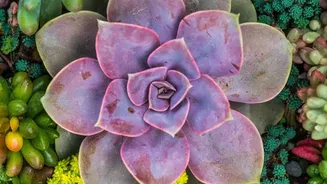
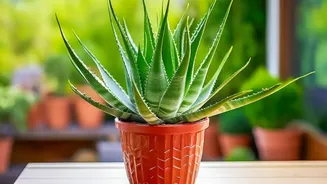
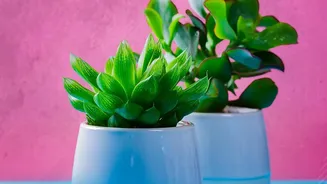
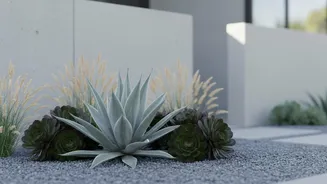
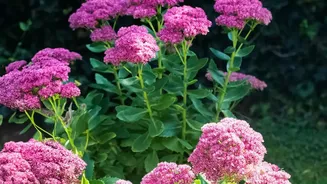
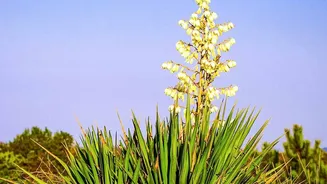
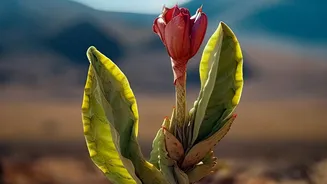
India's diverse climate offers a rich palette of beautiful and resilient plants. For vibrant, low-water colour, Bougainvillea is a classic choice, thriving in the heat with minimal care. Succulents like Aloe Vera, Agave, and Jade Plants are perfect for pots and rockeries, storing water in their leaves. Many fragrant herbs, such as Rosemary and Lavender, are naturally drought-tolerant. For flowering options, consider the cheerful Zinnia, heat-loving Lantana, or the hardy Desert Rose (Adenium). Choosing native plants is also a brilliant strategy, as they are already adapted to local rainfall patterns and soil conditions, further reducing the need for maintenance and supplemental watering.