




The Rise of 'Slow Travel'
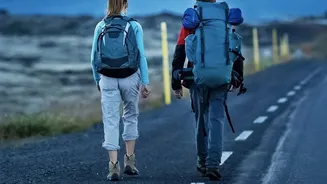
This isn't just about longer holidays; it's a fundamental shift in mindset known as 'slow travel'. The movement prioritises depth over breadth, encouraging travellers to connect with a single destination on a more meaningful level. Instead of rushing
through a checklist of landmarks, the goal is to immerse oneself in the local rhythm of life. It means swapping a dozen cities in two weeks for a month in one neighbourhood, discovering the local bakery, building a routine, and understanding the culture beyond its tourist-facing facade. This approach trades the fatigue of constant movement for a more restorative and authentic experience.
Key Drivers: Flexibility, Finances, and Fulfillment
Several factors are fuelling this trend among Gen Z and Millennial travellers. The widespread adoption of remote work is a primary catalyst. The newfound flexibility to work from anywhere has blurred the lines between living and vacationing, making extended 'workations' not just possible, but popular. Economics also play a significant role. Staying in one place is often cheaper, with discounts available for long-term accommodation and more time to find affordable local dining and transport options. Beyond logistics, there's a growing desire for personal fulfilment. Many young travellers are more interested in gaining genuine insight and cultural awareness than collecting social media snapshots, viewing travel as a way to understand the world, not just see it.
A Conscious Choice for Sustainability
Environmental and social consciousness is another powerful motivator. Young people are increasingly aware of the negative impacts of mass tourism, from over-crowded destinations to significant carbon footprints. In response, many are opting for more sustainable travel practices. Slow travel aligns perfectly with this ethos. By staying in one place, travellers reduce their transportation-related emissions. There is also a greater opportunity to support local economies directly over a sustained period. Many Gen Z travellers report a willingness to visit less-crowded destinations to combat overtourism and prefer to stay in eco-friendly accommodations.
The Personal Payoff of a Slower Pace
The benefits of lingering longer are deeply personal. It significantly reduces the stress and burnout associated with fast-paced travel, where itineraries are packed and transit days are frequent. This slower pace allows for spontaneity; without the pressure of a tight schedule, there's freedom to change plans, explore a recommendation from a local, or simply enjoy an unplanned afternoon. Perhaps most importantly, it fosters deeper connections. Staying in a community for weeks rather than days allows for the formation of genuine relationships with residents and fellow travellers, transforming a trip into a truly immersive experience.