







The Power of a Photograph
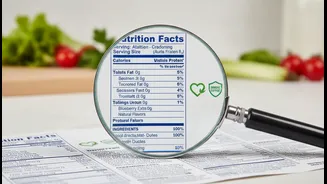
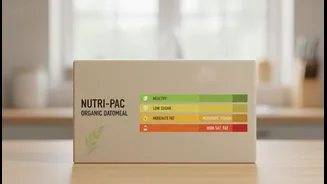
The term 'photograph labels' can be interpreted in two important ways for a consumer. Firstly, it refers to the images and graphics on a product's label. Regulations from the Food Safety and Standards Authority of India (FSSAI) mandate that labels must
not be misleading or create a false impression of the product. If the juicy, farm-fresh mangoes pictured on a juice box bear no resemblance to the artificially-flavoured drink inside, that's a red flag. Secondly, and more powerfully, your own photographs are a crucial tool. If you encounter a product that is spoiled, contaminated, or has a tampered package, a photograph is essential evidence. FSSAI actively encourages consumers to report such issues through its 'Food Safety Connect' platform, where you can upload images along with your complaint. This simple action can trigger regulatory investigation and helps hold businesses accountable. A clear picture of the product, its packaging defect, the batch number, and the bill can make your complaint significantly more effective.
Decoding the Batch Details
That seemingly random string of letters and numbers printed on a food package—the batch number, lot number, or code number—is one of the most critical pieces of safety information. FSSAI regulations mandate that all pre-packaged foods carry this identifier. This code is a unique fingerprint for a specific production run. Its primary purpose is traceability. If a manufacturer discovers a problem, such as contamination or a packaging defect, the batch number allows them to quickly identify every single affected product and issue a targeted recall. This prevents wider health risks and minimises waste. For consumers, the batch number is a sign of a responsible manufacturer and a key piece of information to note if you have a complaint. It allows authorities to trace the product's journey from factory to shelf, making investigations into quality issues much more effective. Without a clear batch code, tracking down the source of a problem becomes nearly impossible.
Assessing the Condition of the Food
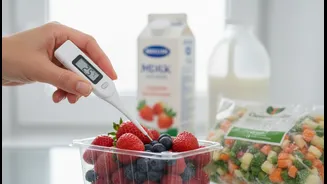
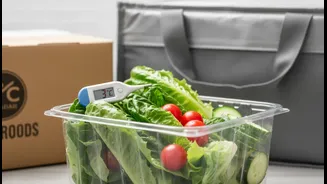
Before you even check the dates or codes, your senses are your first line of defence. The condition of both the packaging and the food itself tells a vital story. For packaged goods, always inspect the integrity of the container. A dented, rusted, or swollen can, or a flexible package with a broken or compromised seal, could indicate a risk of bacterial contamination like botulism. Check for any signs of leakage, discolouration, or a strange odour upon opening. With fresh produce, look for changes in texture, colour, and smell. Items that are slimy, mushy, discoloured, or have an unpleasant odour should be avoided. The FSSAI has empowered consumers to act as its 'eyes on the ground,' urging reports of unhygienic conditions in restaurants or the sale of stale food. Your vigilance not only protects you but also contributes to a higher standard of food safety for the entire community. If you suspect a product is spoiled or unsafe, do not taste it. Report it through the proper channels.