


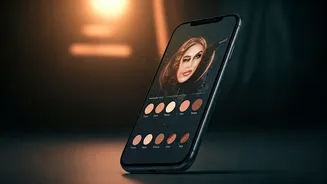


The Universal Frustration of a Bad Match
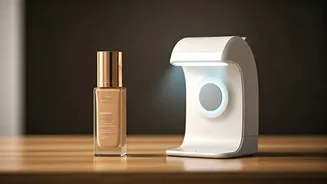
Finding the perfect foundation shade can feel like an impossible quest. The lighting in department stores is notoriously misleading, and trying to eyeball your shade from online photos is a gamble at best. This often leads to a collection of barely-used
bottles that represent wasted money and persistent annoyance. For years, the only options were to rely on in-store samples, which aren't always hygienic or available, or to use online quizzes that depend on your ability to accurately guess your own undertones—a skill most of us simply don't have. This trial-and-error process isn't just a hassle for consumers; it's also a major issue for beauty brands, who face high rates of returns for mismatched products.
How Artificial Intelligence Enters the Picture
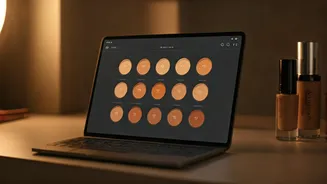
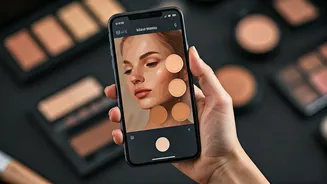
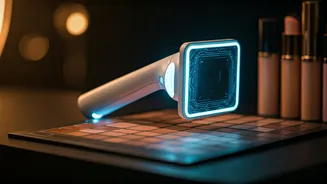
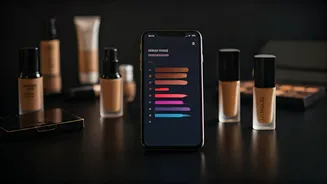
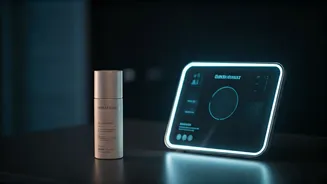
Enter Artificial Intelligence, which is poised to make this problem a thing of the past. AI shade-matching technology uses your smartphone's camera to perform a sophisticated analysis of your skin. By scanning multiple points on your face, advanced algorithms can detect not only your primary skin tone but also your subtle undertones (whether you're cool, warm, or neutral), which are the key to a truly seamless match. This data is then instantly compared against a vast database containing thousands of foundation shades from various brands to pinpoint your ideal options. It’s a significant leap from simply asking if you look better in silver or gold jewellery.
Your Virtual Makeup Artist: How It Works
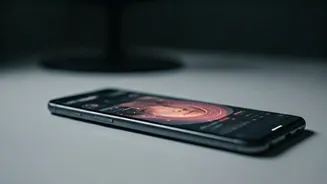
The process is designed to be incredibly user-friendly. Typically, you’ll visit a brand’s website or a beauty retailer’s app, like those from Sephora or Nykaa, and open their shade-finder tool. You will be prompted to either upload a selfie or use your live camera. The tool will then guide you to position your face correctly, usually in a well-lit environment. In seconds, the AI analyses your complexion and presents you with your best foundation matches. Many of these services also incorporate Augmented Reality (AR), allowing you to virtually 'try on' the recommended shades to see how they look on your face in real time before you decide to buy.
Where to Find AI Shade Matching in India
This technology is no longer a futuristic concept; it’s already available from many brands popular in the Indian market. Major international names like L'Oréal, Maybelline, MAC, and Estée Lauder have integrated these tools into their websites. E-commerce giant Nykaa and beauty retailer Sephora also offer robust virtual try-on and shade-finding features across multiple brands. Even homegrown brands are innovating in this space, with labels like Lovechild by Masaba offering AI-powered quizzes and platforms like FOY providing hyper-personalised beauty tech services. These tools make it easier than ever to shop for foundation from the comfort of your home with a much higher degree of confidence.
Is the Technology Truly Foolproof?
While AI offers remarkable accuracy, with some tools boasting a match rate over 90%, it's not entirely infallible. The single most important factor affecting your result is lighting. A scan done under warm, artificial indoor light will produce a very different recommendation than one done in natural daylight. Likewise, the quality of your phone's camera can influence the outcome. For this reason, it's best to think of an AI recommendation as a highly educated starting point rather than a final, guaranteed answer. It dramatically narrows down your options from dozens of shades to just a few likely candidates.
Tips for Getting the Best Possible Match
To get the most out of these AI tools, a little preparation goes a long way. First, always take your photo in natural daylight, near a window, but out of direct, harsh sunlight. Make sure your face is clean and free of any existing makeup. When using the camera, hold it steady and capture your face, neck, and chest if possible, as this helps the AI get a more complete picture of your skin tone. If a tool gives you a top three or four recommendations, don’t just default to the first one. Use the virtual try-on to see how each looks. If you can, take those recommendations and request samples in-store to do one final check before committing to a full bottle.