




Choose Your Snowy Destination
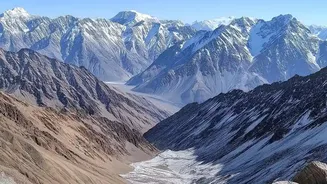
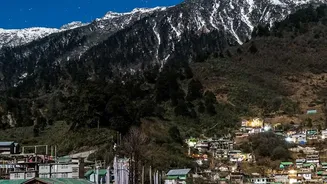
Your budget journey begins with choosing the right spot. Popular destinations like Shimla, Manali, and Auli are well-connected but can be crowded. For a quieter and often cheaper experience, consider off-beat locations. Places like Munsiyari and Chopta
in Uttarakhand or Kalpa and Sar Pass in Himachal Pradesh offer breathtaking snow-covered vistas without the tourist rush. Shorter weekend treks like Nag Tibba are incredibly budget-friendly, sometimes costing under ₹3,000 for a two-day guided experience. Researching these lesser-known gems can lead to significant savings on accommodation and local travel, giving you a more authentic Himalayan experience.
Breaking Down Your Transport Budget
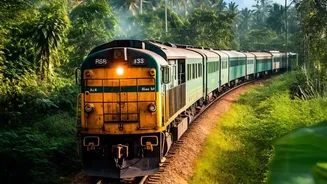
Getting to the mountains is often the biggest expense, but it doesn't have to be. For most destinations in Himachal Pradesh and Uttarakhand, the most economical option is an overnight bus or train from major hubs like Delhi or Chandigarh. A bus to Manali or Shimla can be significantly cheaper than flying. Once you're in the hills, rely on local buses and shared taxis for getting around. A shared jeep is a fraction of the cost of a private cab and a great way to meet fellow travellers. For example, a public bus ride spanning 5-6 hours between mountain towns can cost as little as ₹300. Planning your travel in the shoulder season (just before peak winter) can also help you find cheaper fares before the holiday rush.
Warm Clothing: The Rent vs. Buy Dilemma
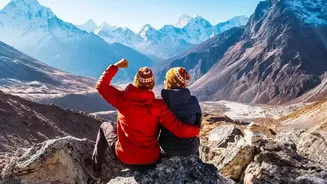
Packing for a Himalayan winter requires serious layers, but you don't need to spend a fortune on gear you'll only use once. For first-time visitors or infrequent trekkers, renting heavy-duty items is a smart financial move. A good quality winter jacket can cost over ₹10,000 to buy, but you can rent one for about ₹700 to ₹1,000 for a week. The same goes for trekking shoes, poles, and gaiters. It's wise to own your base layers like thermals, woollen socks, and gloves for hygiene and comfort. But for the expensive outer layers, renting from shops in base towns like Manali or Dehradun saves money and luggage space. This mix-and-match approach ensures you stay warm without freezing your bank account.
Budgeting for Local Food and Activities
The joy of the Himalayas isn't just in the views, but in the experiences. Thankfully, many activities are either free or very affordable. Hiking on marked trails costs nothing, and the views are priceless. For more structured activities like skiing or paragliding, costs can vary. A short skiing session with an instructor in a place like Solang Valley might cost around ₹800 per person. To save on food, avoid tourist-centric cafes. Instead, eat at local dhabas where you can get a hearty and delicious meal like a thali for ₹100-₹150. These small eateries offer an authentic taste of Himachali or Kumaoni cuisine and are a cornerstone of budget travel in the mountains.
Finding Smart and Affordable Stays
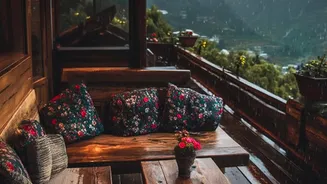
Accommodation is another area where you can save significantly. Instead of hotels, look for guesthouses and homestays. In many Himalayan villages, local families offer rooms for a fraction of the price of a hotel, often including simple, home-cooked meals. A dorm bed in a backpacker hostel in towns like McLeod Ganj or Rishikesh can cost as little as ₹300-500 per night. These stays not only cut costs but also provide a richer cultural experience, allowing you to connect with local life. Booking in advance, especially during the peak snow season of December and January, is crucial to securing the best rates.