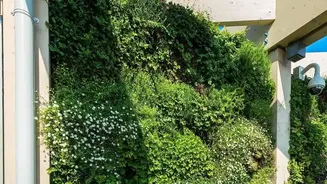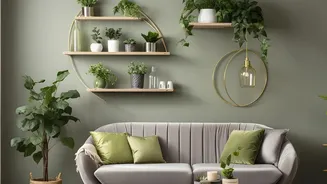

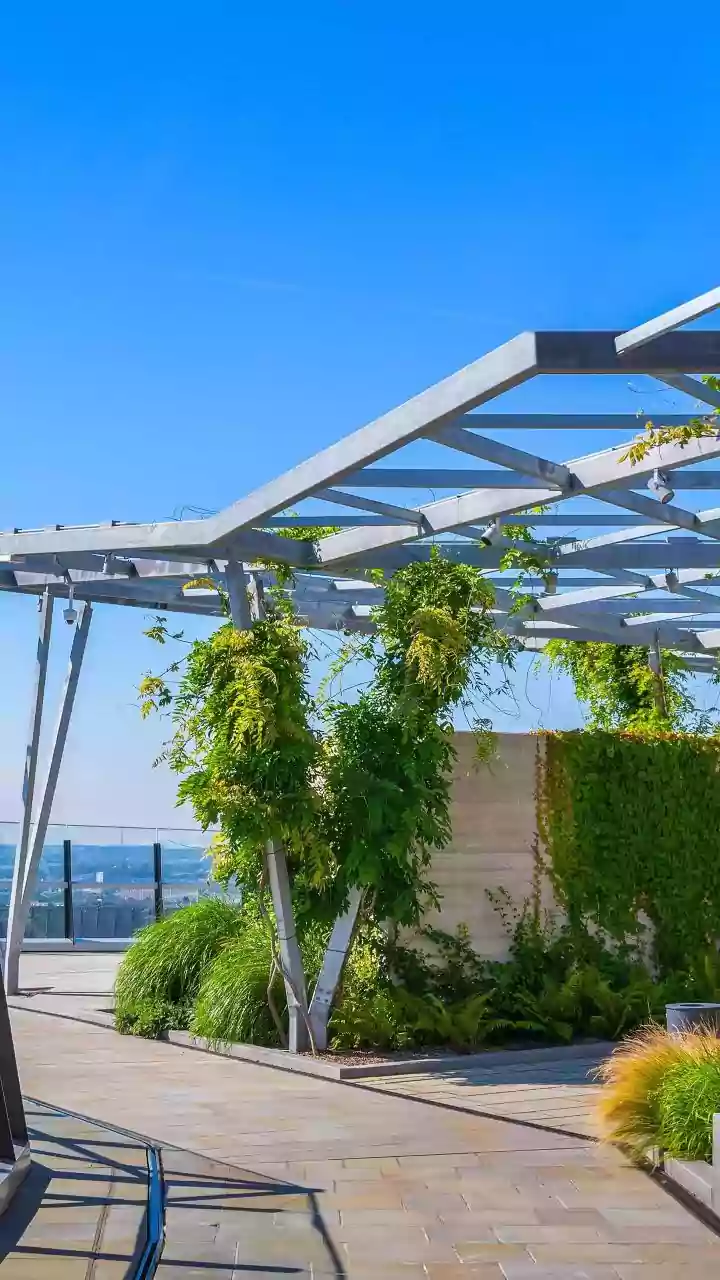

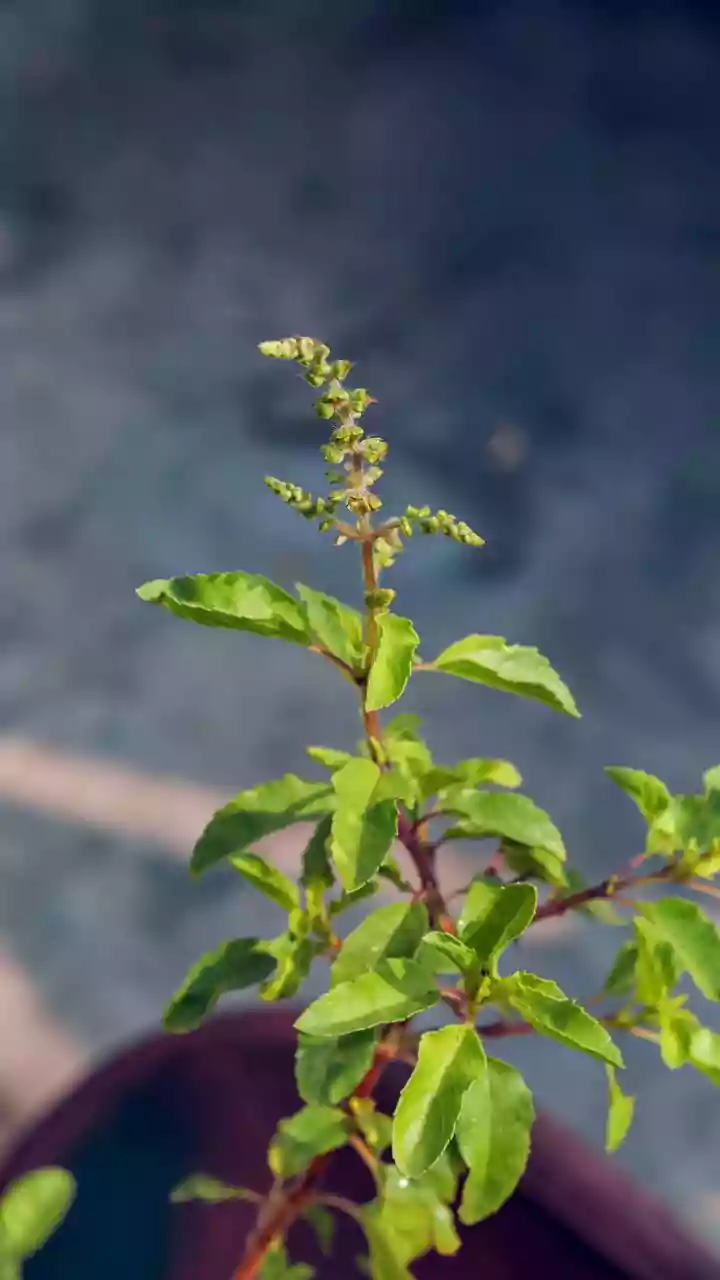


A wall-mounted garden can transform a barren surface into a lush, living masterpiece, especially in urban homes where floor space is a luxury. But creating a thriving vertical garden requires more than just hanging a few pots on a wall.
Find the Right Location
Before buying anything,
assess your wall. First, consider sunlight. A wall facing south will get intense, direct sun, ideal for heat-loving plants like Portulaca and Vinca. An east-facing wall offers gentle morning sun, while a north-facing wall will be in shade for most of the day, suiting plants like ferns, philodendrons, and money plants. Second, evaluate the wall’s structural integrity. A fully planted and watered vertical garden is heavy. The wall must be strong enough to support the weight. Brick, concrete, or a sturdy fence are good candidates. If you're renting or unsure, consider freestanding vertical planters that don't require drilling.
Choose Your Vertical Garden System
Several types of systems are available, each with different installation needs and costs. The most common for wall mounting are pocket planters and modular systems. Fabric pocket planters are panels of felt-like material with pockets sewn in to hold soil and plants. They are relatively lightweight and easy to install. Modular systems consist of rigid plastic panels or interlocking pots that are mounted onto a frame or directly to the wall. These are often more durable and can be easier to water evenly. For a DIY approach, you can even use climbing plants on a trellis or mesh support. Your choice depends on your budget, how permanent you want the installation to be, and the look you want to achieve.
Select the Perfect Plants
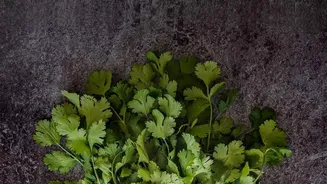
Plant selection is crucial and depends entirely on your chosen location's light conditions. For sunny spots in Indian climates, hardy options like dwarf Bougainvillea, Portulaca (office time), and Vinca (Sadabahar) are excellent choices. For shadier walls or balconies, focus on foliage plants. Money Plant (Pothos), Spider Plant, various Philodendrons, and ferns like the Boston Fern thrive in lower light and add lush texture. You can also grow herbs and some vegetables. Mint, coriander, and lettuce do well with a few hours of sun, while chillies and cherry tomatoes will need a full sun position. Try to group plants with similar light and water needs together.
Plan for Proper Watering
Watering is the biggest challenge in vertical gardening because gravity pulls water downwards, often leaving the top plants dry and the bottom ones waterlogged. For smaller setups, manual watering can work if you're diligent. For larger walls, a drip irrigation system is highly recommended. These systems use a network of thin tubes with emitters placed at each plant, delivering water directly to the roots with minimal waste. Some modular systems come with builtin irrigation channels or are designed as selfwatering planters, which have a reservoir that wicks moisture up into the soil as needed. An automated system on a timer makes maintenance much easier.
Use the Right Soil Mix
Never use regular garden soil in a vertical garden. It's too heavy, compacts easily, and drains poorly in containers. You need a lightweight, welldraining potting mix. Most commercial potting mixes designed for containers will work well. For an even better result, create your own mix or amend a storebought one. A popular combination is equal parts coco peat, compost or vermicompost, and perlite. The coco peat retains moisture without becoming waterlogged, compost provides nutrients, and perlite ensures good aeration and drainage, keeping the mix light.
Installation and Maintenance
Installation can be a DIY project if you're comfortable with drills and levels. Most systems involve attaching mounting plates or a frame to the wall, then hooking the planters or panels onto it. Always make sure to fasten into the structural part of the wall, like studs or masonry, not just plaster. Once installed, ongoing care is key. Regularly check for pests like aphids and spider mites. Prune any dead or yellowing leaves to encourage new growth and maintain good air circulation. You'll also need to fertilise your plants every few weeks during the growing season with a balanced liquid fertiliser, as nutrients in the limited soil volume will be used up quickly.