





Why Humidity Is a Deceptive Foe
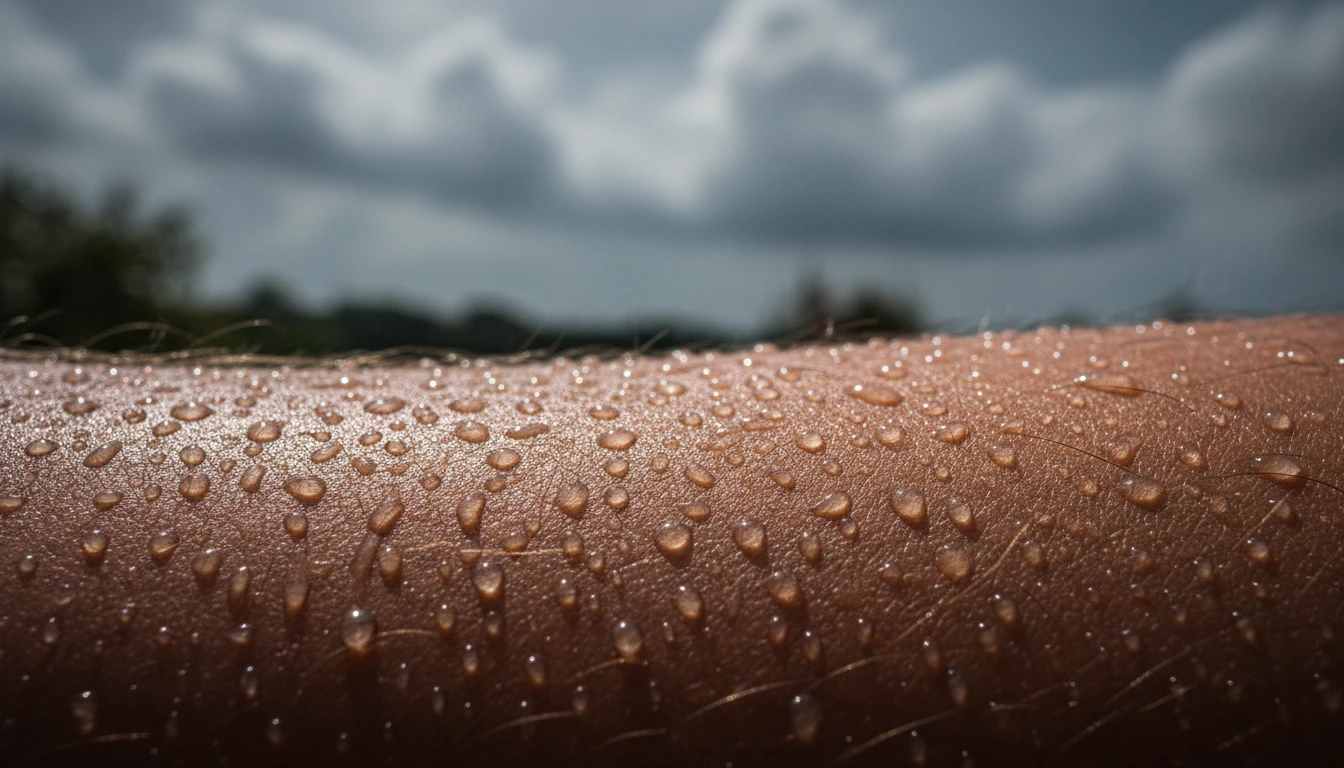
When you exercise in dry heat, sweat evaporates quickly, providing an efficient cooling effect. But when the air is already saturated with moisture, that process slows dramatically. Your body continues to produce sweat in an attempt to cool down, but
it just drips off without providing the same benefit. This means you lose fluids and vital salts at an accelerated rate, yet you might not feel as dehydrated because you're constantly damp. This physiological trap makes your heart work harder, raises your core body temperature, and can significantly impair performance and safety before you even realise you're in trouble.
Beyond Thirst: The Subtle Physical Clues
Thirst is a lagging indicator of dehydration. By the time you feel it, you're already behind on fluids. In humid conditions, you need to watch for other signals. Pay attention to an unexpectedly high heart rate for your usual level of exertion; this is a sign your cardiovascular system is under strain. Other physical symptoms include weakness, dizziness, or lightheadedness, especially when you stand up. Muscle cramps, which are often dismissed as simple fatigue, can be a direct result of electrolyte imbalances caused by excessive sweating. Finally, one of the most reliable indicators is the colour of your urine. If it’s dark yellow instead of a pale, lemonade-like colour, you need to hydrate immediately.
The Mental Fog You Can't Ignore
Dehydration doesn't just affect your muscles; it significantly impacts your brain. A loss of even 2% of your body weight in fluids can impair cognitive function. You might experience this as a sudden drop in focus during a lift or a feeling of irritability and crankiness mid-run. This mental fog can also manifest as poor decision-making or a lack of coordination. These aren't just signs of a bad workout day; they are critical warnings from your body that its fluid and electrolyte balance is off. Ignoring them can increase your risk of injury and lead to more severe heat-related illnesses like heat exhaustion.
Your Proactive Hydration Strategy
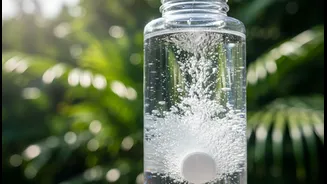
The key to avoiding dehydration in humidity is to be proactive, not reactive. Start hydrating well before your workout begins. Aim to drink about 500-600 ml of water one to two hours before you start. During your routine, don't wait for thirst. Make a habit of sipping fluids consistently, roughly every 15-20 minutes. For workouts lasting over an hour in high heat and humidity, water alone may not be enough. You're losing crucial electrolytes like sodium and potassium through sweat, which need to be replenished. Consider a sports drink or an electrolyte tablet dissolved in your water to maintain this balance.
Post-Workout Recovery Is Crucial
Your rehydration efforts shouldn't stop when your workout does. Continuing to drink fluids after your session is essential for recovery and replenishing what you've lost. A good way to gauge how much you need is to weigh yourself before and after your workout. For every pound of body weight lost, you should aim to drink about 500-700 ml of fluid. This is also a good time to have a recovery meal or drink that includes not just fluids but also electrolytes from food sources. Items like bananas, oranges, yogurt, or a smoothie can help restore your body's balance and prepare you for your next session.