





From Pet Ownership to 'Pawrenting'
The way urban Indians relate to their pets has fundamentally changed. The shift from 'pet owner' to 'pet parent' is more than just a change in terminology; it reflects a deep cultural evolution where pets are considered family members. This new generation
of 'pawrents', primarily millennials and Gen Z, invests emotionally and financially in their pet's well-being, from healthcare to nutrition. This humanization of pets means that if fresh, whole foods are good for people, they must be good for their furry children too. This mindset is a key driver behind the move towards premium, carefully prepared meals over processed, shelf-stable options. The Indian pet care market, now valued at over ₹8,000 crore, is rapidly growing, fueled by this demand for higher quality products and services.
The Reported Benefits: Shinier Coats and More Energy
Pet parents who make the switch to fresh, customized meals often report a range of visible improvements in their dogs' health. Among the most frequently cited benefits are a shinier coat and healthier skin, often attributed to the fatty acids and vitamins present in whole-food ingredients. Many also notice a significant boost in their dog's energy levels. This is because fresh food, which is gently cooked, is often more digestible than highly processed kibble, allowing a dog’s body to absorb more nutrients and energy from each meal. Owners also report better weight management, as pre-portioned fresh meals with high moisture content can help dogs feel fuller and avoid overeating. Other commonly mentioned improvements include better digestion leading to smaller, firmer stools, and even relief from certain food allergies or sensitivities.
What's in the Bowl?
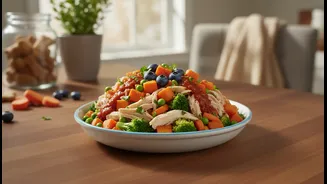
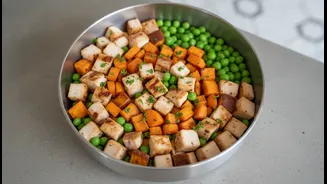
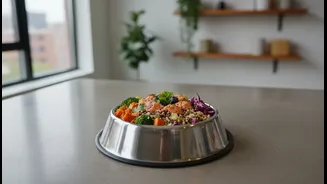
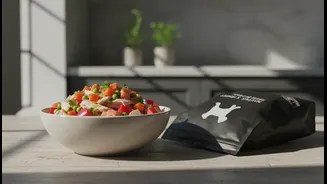
So, what exactly is a customized fresh meal? Unlike mass-produced kibble, these diets are typically made from human-grade ingredients that you would recognise in your own kitchen. A balanced meal often includes a source of lean protein like chicken, turkey, or fish, along with vegetables such as carrots and spinach, and digestible carbohydrates like rice or sweet potatoes. The 'customized' aspect is crucial; meals are portioned and formulated based on a dog's specific needs, considering factors like age, breed, weight, activity level, and any existing health conditions like allergies. This tailored approach ensures that a growing puppy gets the right nutrients for development, while a senior dog might get a recipe that supports joint health. The goal is to provide complete and balanced nutrition without the use of artificial preservatives or fillers often found in commercial pet foods.
A Vet's Perspective on the Fresh Food Trend
While the anecdotal evidence from pet parents is overwhelmingly positive, the veterinary community offers a more measured perspective. Many vets agree that fresh, minimally processed food can be beneficial, particularly for dogs with picky appetites, sensitive stomachs, or certain skin conditions. The higher moisture content also supports hydration and kidney function. However, the primary concern for veterinarians is nutritional balance. A homemade or fresh diet that isn't properly formulated can lack essential vitamins and minerals, potentially causing health problems over time. Therefore, vets stress the importance of choosing a reputable company that employs veterinary nutritionists or following a recipe specifically formulated by one to ensure the diet is 'complete and balanced' according to established standards. The recipe and its nutritional adequacy are more important than the format (fresh vs. kibble) itself.