




A Patch of Green in the Grey
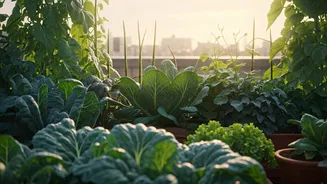
Look up at the apartment buildings in any major Indian metropolis, and you’ll notice a change. Amidst the shades of beige and grey, patches of vibrant green are emerging. This isn't a government initiative or a large-scale urban planning project. It’s
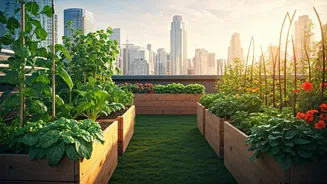
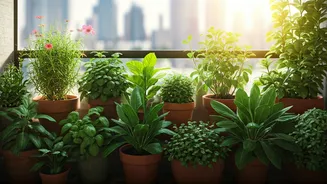
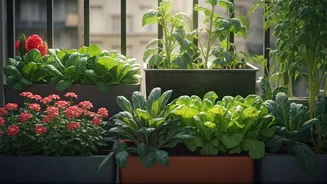
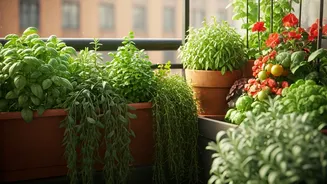
a grassroots movement driven by individuals who are converting their balconies, windowsills, and terraces into miniature gardens. As public green spaces shrink and urban life becomes more hectic, residents are creating their own personal sanctuaries. The trend, which gained significant momentum during the pandemic lockdowns, has become a permanent fixture in urban Indian life, representing a deep-seated desire to reconnect with nature in the most personal of spaces.
The Kitchen on Your Chajja
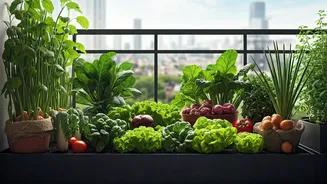
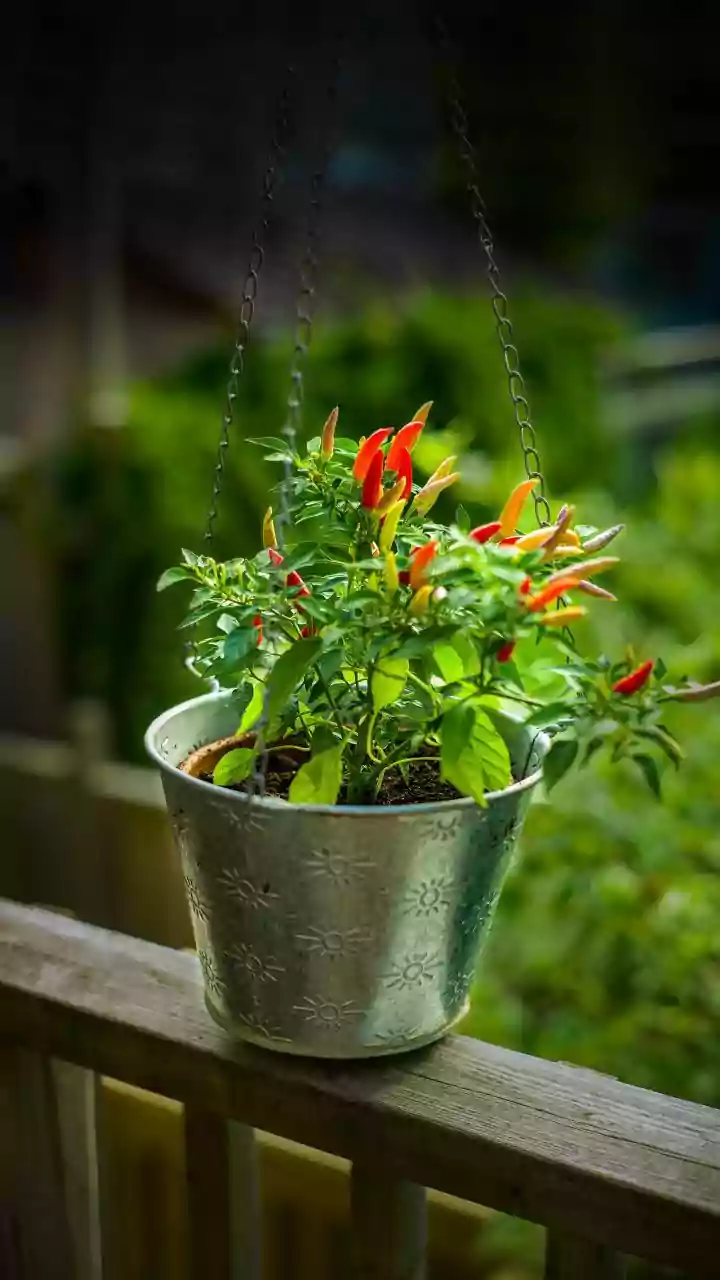
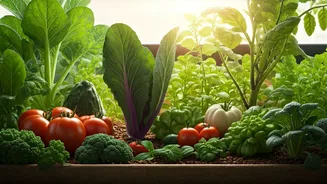
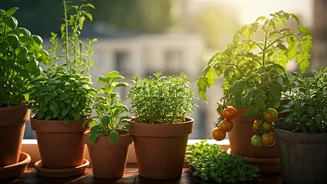
A major driver of this green wave is the pursuit of fresh, chemical-free food. Many of these balcony gardens are not just ornamental; they are edible. Pots of tulsi, mint, and coriander are now flanked by cherry tomatoes, chillies, and brinjal. For urban families, the ability to harvest their own produce offers more than just convenience. It provides an assurance of quality and safety in an era of concerns over pesticides and supply chain integrity. Growing your own food, even in small quantities, fosters a powerful connection to what you eat. It’s a simple act of self-sufficiency that brings immense satisfaction, turning a simple meal into a home-grown celebration.
Gardening for a Calmer Mind
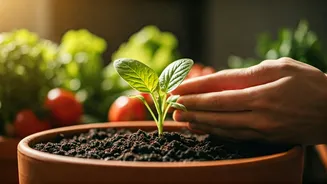
The benefits of this trend extend far beyond the physical harvest. For many, balcony gardening has become a form of green therapy. The simple, repetitive acts of watering, pruning, and nurturing a plant offer a welcome escape from the digital saturation and high-pressure environment of city life. Tending to a garden encourages mindfulness, reduces stress, and provides a tangible sense of accomplishment. In cities like Delhi and Mumbai, where the pace can be relentless, spending even 15 minutes a day on the balcony with your plants can be a powerful tool for mental well-being. It’s a quiet space for reflection and a daily reminder that growth takes time and care.
Small Space, Big Innovation
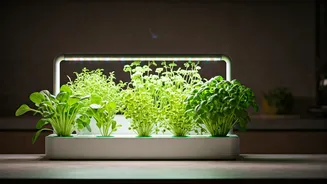
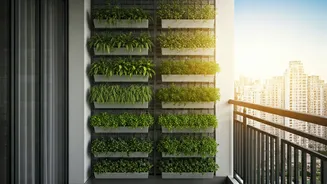
The quintessential Indian balcony is not always spacious, but constraint breeds creativity. Urban gardeners are becoming experts in maximising their limited square footage. Vertical gardening systems, where plants are grown in stacked layers, are becoming increasingly popular. Hanging pots, railing planters, and custom-built shelving allow for a surprising diversity of plant life. Furthermore, knowledge about soil mixes, composting kitchen waste, and natural pest control is spreading rapidly. Online communities, YouTube tutorials, and local gardening workshops are empowering novices to start their own green corners, proving that you don’t need a sprawling backyard to cultivate a thriving garden.
A Budding Community
What starts as a personal hobby often blossoms into a community affair. Social media is filled with vibrant Indian gardening groups where members exchange seeds, share progress pictures, and troubleshoot problems. Neighbours connect over their shared passion, exchanging tips across their respective balconies. This movement is fostering a new kind of social connection, one rooted in a shared love for nature. Nurseries and startups have responded to this demand, offering everything from beginner-friendly plant kits to organic fertilizers and specialised pots designed for compact spaces. The balcony garden is not just a personal retreat; it's a node in a growing network of urban green thumbs.