


The Tyranny of the Always-On Home
In our culture, the home has always been a bustling hub of family, food, and festivity. But in the 21st century, this vibrancy is now layered with the relentless demands of digital life. Our living rooms have become co-working spaces, our bedrooms are
our last scroll-of-the-night zones, and the lines between productivity and peace have been irrevocably blurred. The result is a subtle but persistent state of low-grade anxiety. We are physically home, but our minds are elsewhere—in a Zoom meeting, a WhatsApp group, or an Instagram feed. This constant stimulation leaves no room for quiet contemplation or mental reset. Our homes, once our sanctuaries, now often feel like another source of pressure, another space we are failing to manage perfectly.
Why Your Brain Craves a Pause Corner
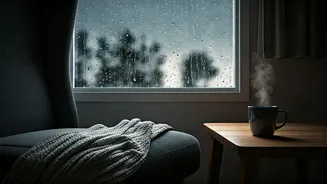
This isn't just about aesthetics; it's about neuroscience. A ‘pause corner’ is a dedicated space, no matter how small, that signals to your brain it's time to switch off. Psychologists refer to the power of 'soft fascination,' where observing something calming, like a plant or the rain outside a window, allows our minds to wander and recharge without directed focus. A dedicated corner, free from clutter and technology, reduces cognitive load. It creates a physical boundary that helps you build a mental one. Stepping into this space for just ten minutes can lower cortisol levels, reduce blood pressure, and provide a much-needed break from the decision fatigue that plagues our daily lives. It’s an intentional act of self-preservation, a declaration that your peace is as important as your productivity.
Reclaiming a Traditional Idea
The concept of a pause corner is not a new Western trend. It is a modern interpretation of a deeply Indian idea. Think of the classic *verandah*, where one could sit and watch the world go by. Or the *jhoola* (swing), a fixture in many traditional homes, offering a moment of gentle, rhythmic motion and reflection. Consider the simple *baithak* or *diwan* with plush cushions, designed for leisurely conversation and rest, not for frantic work. In our race to modernise and optimise every square foot of our urban apartments, we have accidentally designed these moments of stillness out of our lives. Creating a pause corner is simply about reclaiming this lost wisdom and adapting it to our contemporary reality.
How to Create Your Sanctuary
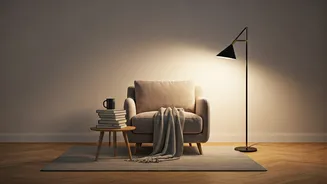
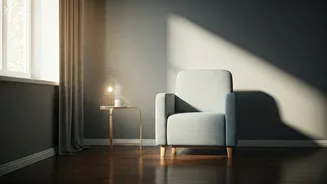
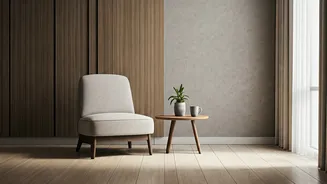
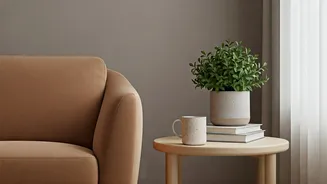
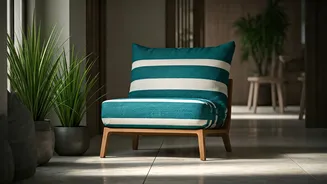
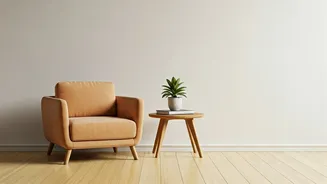
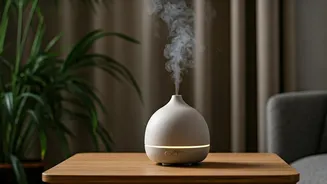
You don't need a spare room or a big budget. Start small. Find a neglected corner—by a window, on a small balcony, or even a section of your bedroom. The goal is to define the space. A small rug can demarcate the area. The key is what you put inside it, and more importantly, what you keep out. This space is a strict no-tech zone. No phones, no laptops, no television in its direct line of sight. Instead, curate it with elements that calm your senses. A single comfortable chair or a pile of floor cushions is the centerpiece. It should be seating for one, signalling that this is your personal retreat. Add a small plant for a touch of nature, a soft lamp for warm, indirect light, and perhaps a few books you’ve been meaning to read. Scent can also be a powerful anchor; a calming essential oil diffuser or a single stick of incense can instantly set the mood.
Make it a Ritual, Not a Task
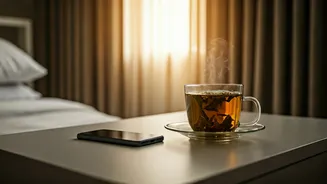
A pause corner is useless if it just becomes another beautifully curated, unused part of your home. The final, most crucial step is to integrate it into your daily life. Make it a ritual. Start your day here with a cup of chai before the chaos begins. Or end your workday by spending ten minutes here to decompress before rejoining your family. The purpose isn't to meditate for an hour (unless you want to). It’s about creating a small, consistent habit of disengagement. It's a space to take three deep breaths, to stare out the window, to read a single page of a book. By doing so, you are not just decorating a corner; you are redesigning your relationship with your home and, more importantly, with yourself.