






An Ancient Tradition Goes Viral
For centuries, women in Asia have relied on these simple ingredients for beautiful hair. In Japan's Heian period, court ladies were famed for their floor-length hair, a tradition they credited to rinses with 'Yu-Su-Ru'—the water from washing rice. Similarly,
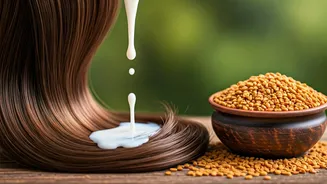
the Yao women of China's Huangluo village, known for their incredibly long, dark hair that often stays black well into their 80s, use fermented rice water in their cleansing rituals. Meanwhile, in India, fenugreek (methi) has been a cornerstone of Ayurvedic medicine, used in pastes and oils to combat hair fall and promote scalp health. Fast forward to 2026, and social media is buzzing with this potent combination, reframing these time-tested rituals for a new generation seeking natural, effective haircare solutions.
The Power of Rice Water
So what's the magic in that cloudy liquid? Rice water is packed with nutrients, including amino acids, B vitamins, vitamin E, and minerals. Its most celebrated component is inositol, a carbohydrate that can penetrate damaged hair and remain even after rinsing, helping to strengthen the hair shaft, improve elasticity, and reduce surface friction. This means hair that's smoother, shinier, and less prone to breakage. While dermatologists note that robust scientific evidence for hair growth is still emerging, the anecdotal evidence spanning centuries is hard to ignore. The consensus is that it can improve the look and feel of hair, making it appear healthier and allowing it to grow longer by preventing breakage.
Fenugreek: More Than a Spice
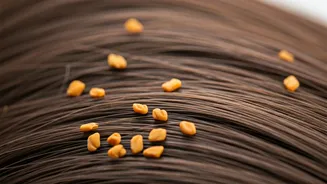
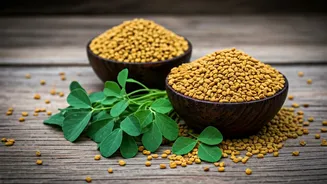
Fenugreek, or methi, is a nutritional powerhouse for hair. These small, golden seeds are a rich source of iron and protein, two essential building blocks for hair growth. They also contain nicotinic acid, flavonoids, and saponins, which are believed to improve blood circulation to the scalp and possess anti-inflammatory and antifungal properties. This makes fenugreek effective at tackling scalp issues like dandruff and irritation. A key benefit comes from its high mucilage content, a gel-like substance that provides incredible slip and conditioning, leaving hair moisturized, soft, and easy to detangle.
How to Make and Use the Power Duo
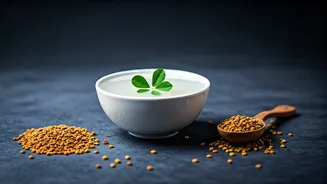
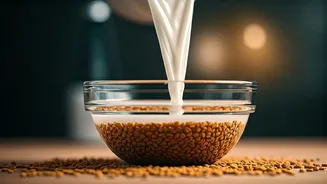
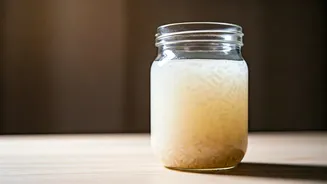
Combining these two ingredients creates a nutrient-dense rinse that targets both hair strength and scalp health. A popular DIY method involves soaking rice and fenugreek seeds together. Start by rinsing half a cup of uncooked rice, then place it in a jar with two tablespoons of fenugreek seeds and about two cups of water. Let this mixture soak overnight. The next day, strain the liquid into a clean container. You can use it immediately as a pre-shampoo rinse. For an enhanced effect, some prefer to let the liquid ferment for another 24 hours at room temperature; this can increase the antioxidant levels but also produces a strong, sour smell. To use, pour the liquid over your hair after shampooing, focusing on the scalp and lengths. Massage it in gently and leave it for 20-30 minutes before rinsing thoroughly with warm water.
A Word of Caution
While natural, these treatments aren't without potential downsides. Rice water is high in protein, and overuse, especially on low-porosity hair, can lead to 'protein overload'. This can make hair feel stiff, dry, and brittle. It's best to start by using the rinse once a week and see how your hair responds. Furthermore, leaving the treatment on for too long won't increase its benefits and could potentially irritate the scalp. The fermented version has a potent smell that isn't for everyone. As with any new product, performing a patch test is always a good idea, and if you have underlying scalp conditions or are experiencing significant hair loss, it's best to consult a dermatologist.