




Understanding The Late-Monsoon River
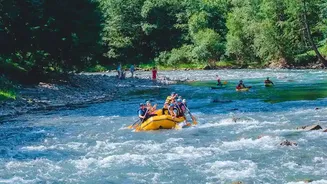
While the official rafting season in Rishikesh typically runs from mid-September to June, the start of the season is a delicate period. The river, swollen from monsoon rains, takes time to calm down. Water levels are often high and currents remain strong
and unpredictable. Because of this, the Uttarakhand Tourism Department assesses the river carefully before giving the green light. This means that not all rafting stretches open at the same time. The most challenging routes remain closed until the flow is considered stable, which is often not until October. For travellers visiting in September, this makes the choice of stretch critical. Opting for a route that is officially open and suited for the prevailing conditions is the first and most important safety decision you will make.
The Safest Choice: Brahmpuri to Ram Jhula (9-12 km)
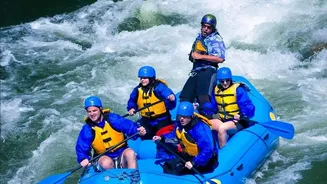
For anyone planning a rafting trip in late September—be it first-timers, families, or budget-conscious groups—the Brahmpuri stretch is unequivocally the safest and most reliable option. Spanning approximately 9 to 12 kilometres, this is the first route to open each season precisely because it is the gentlest. It features mainly Grade I and Grade II rapids, which are mild and require minimal maneuvering. Think small, fun waves rather than intense, turbulent water. Rapids with names like 'Sweet Sixteen' and 'Hilton' offer a taste of adventure without significant risk, making it an ideal introduction to whitewater rafting. An added bonus is that this shorter trip is also the most affordable, typically costing between ₹600 and ₹800 per person, which includes all necessary gear and guide services.
The Popular Stretch: Shivpuri to Rishikesh (16 km)
The 16-kilometre Shivpuri stretch is arguably the most popular rafting route in Rishikesh, known for its exciting Grade II and III rapids like 'Roller Coaster' and 'Golf Course'. However, during the late-monsoon period, this stretch comes with a significant caveat. It usually opens a week or two after the Brahmpuri section, and its operation is entirely dependent on the river conditions. The Grade III rapids here are more powerful and require skilled paddling and guide expertise. If the water level is still high, the risk factor increases. If you are an experienced rafter and operators confirm that the stretch is officially open and safe, it can be an option. But for most travellers in September, especially those with mixed groups or a lower appetite for risk, it's wiser to stick to the Brahmpuri route or confirm conditions on the day of your trip without booking in advance.
Routes To Avoid In Late September
More advanced rafting routes should be strictly avoided during the late-monsoon window. The Marine Drive stretch (24-26 km) and the Kaudiyala stretch (35-36 km) feature powerful Grade IV and even Grade V rapids. These sections are meant for experienced rafters and remain closed until the river is significantly calmer, typically opening in October or even later. The rapid known as 'The Wall' on the Kaudiyala stretch is a Grade V rapid, considered extremely difficult and dangerous even in normal conditions. Any operator offering to take you on these longer, more intense stretches in September is likely operating illegally and outside all safety regulations. Prioritising your safety means waiting for the right season to tackle these bigger challenges.
Your Operator Safety Checklist
Choosing a safe operator is just as important as choosing the right stretch. The budget aspect of your trip should never lead you to compromise on safety. Before booking, ensure the operator meets these non-negotiable standards: 1. Government Licensed: The operator must have a valid license from the Uttarakhand Tourism Department. Ask to see their certification. 2. Certified Guides: Your guide should be a trained professional with certification in swift-water rescue and first aid. 3. Quality Equipment: Inspect the gear. Life jackets should be certified, fit snugly, and be in good condition. Helmets should also be provided and worn at all times on the river. 4. Clear Safety Briefing: A professional operator will always provide a detailed safety briefing before you get on the water, explaining paddling commands and what to do if you fall in. Operators offering unusually low prices may be cutting corners on guide training, equipment maintenance, or licensing. The standard rates are affordable, and paying a little extra for a reputable company is a worthwhile investment in your well-being.