


Master Your Watering Schedule
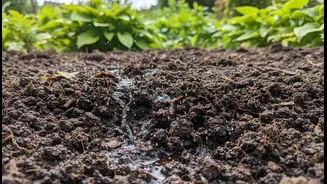
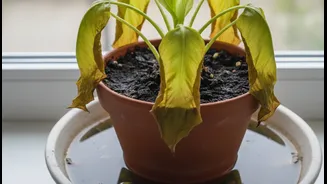
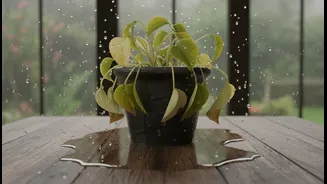
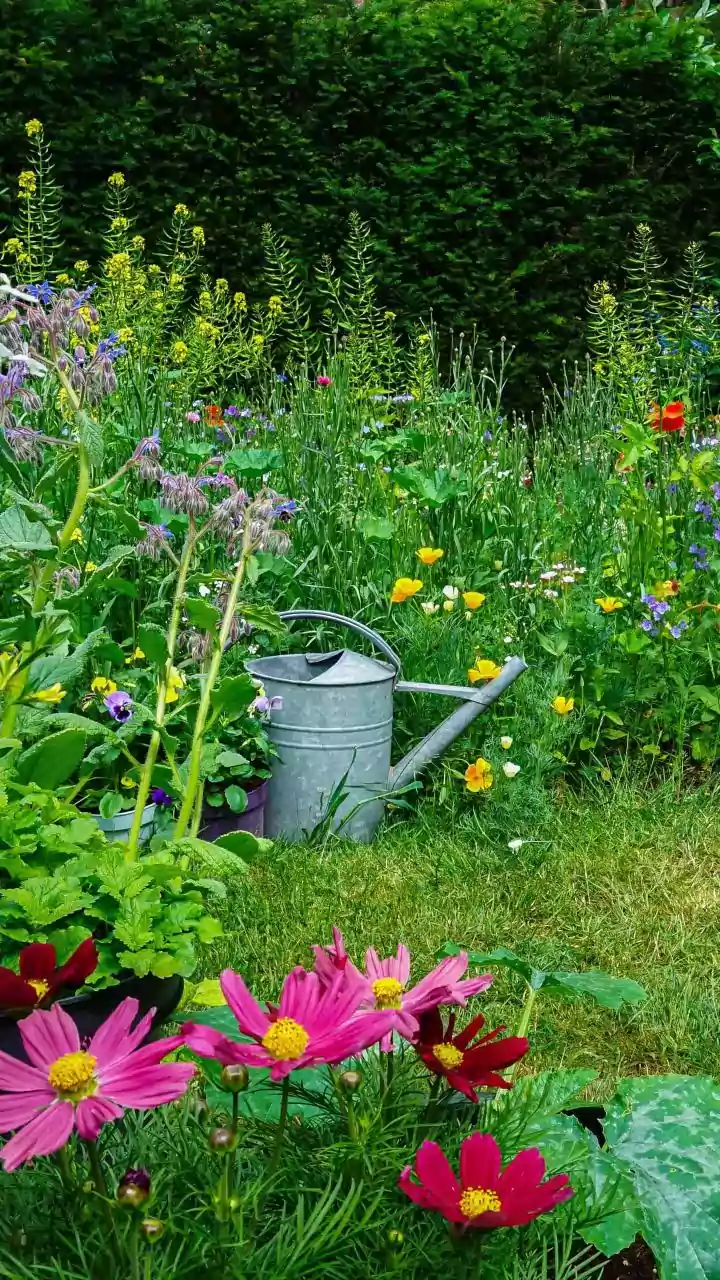
The most common mistake during the monsoon is overwatering. With frequent rain, your regular watering schedule becomes redundant. Before reaching for the watering can, always check the soil. Stick your finger about an inch deep; if the soil feels moist,
leave it alone. Plants in pots are especially vulnerable to waterlogging, which suffocates roots and causes them to rot. Let the soil dry out slightly between waterings. For most plants, this might mean you hardly water them at all during weeks with consistent rainfall.
Prioritise Drainage Above All
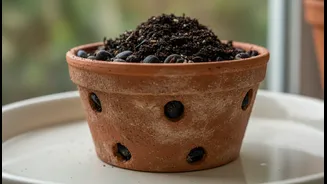
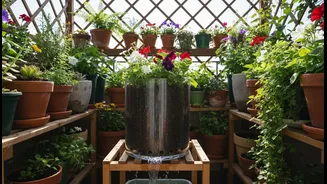
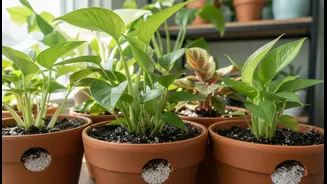
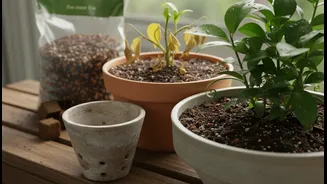
Excellent drainage is non-negotiable for monsoon survival. Waterlogged soil is the primary cause of root rot, a fungal disease that can kill a plant quickly. Ensure every pot has clear drainage holes. Elevating pots on bricks or stands is a simple but highly effective trick to allow excess water to escape freely and prevent them from sitting in puddles. If you're using a well-draining soil mix containing materials like sand or cocopeat, you're already ahead of the game. This simple step ensures roots can breathe.
Prune for Better Airflow
High humidity and damp foliage create the perfect environment for fungal diseases to thrive. A weekly habit of pruning and tidying up can make a huge difference. Trim away any dead, damaged, or yellowing leaves and branches. This not only keeps the plant looking neat but, more importantly, improves air circulation around the leaves, helping them dry faster after a shower. Thinning out dense growth reduces the risk of fungal infections taking hold. Always use clean, sharp shears to make clean cuts.
Conduct a Weekly Pest and Disease Patrol
The damp, humid conditions of the monsoon are an open invitation for pests like aphids, mealybugs, slugs, and snails. Fungal spots on leaves are also common. Make it a weekly discipline to inspect your plants closely, paying special attention to the undersides of leaves where pests love to hide. Early detection is crucial. For many common pests, a simple spray of diluted neem oil can be an effective and organic solution. Regularly clearing away fallen leaves and debris from the soil surface also removes potential hiding spots for pests.
Fertilise Lightly and Wisely
Heavy rains can wash away essential nutrients from the soil, a process known as leaching. However, this doesn't mean you should apply heavy fertilisers. During the monsoon, plant growth can slow down, and their nutrient requirements change. It is generally advised to reduce fertilising. If you do fertilise, opt for a liquid fertiliser at a diluted strength, as plants can absorb it more easily. Applying organic options like vermicompost or compost in small amounts is also a good practice. Avoid fertilising during periods of very heavy, continuous rain.
Maximise Available Light
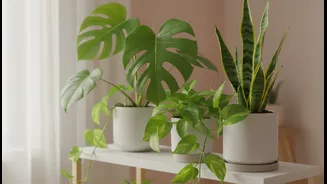
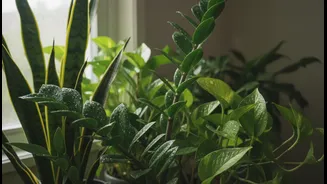
Overcast skies mean less sunlight, which can impact plant health and growth. For indoor plants, this is a critical time. Move your potted plants to the brightest possible location, such as a south-facing window or balcony, to help them capture as much light as possible. A weekly rotation of your pots can also help ensure all sides of the plant get some exposure to light. For outdoor plants that are getting battered by heavy rain, you might consider temporarily moving them to a sheltered spot that still receives bright, indirect light.