


The Rise of the Conscious Consumer
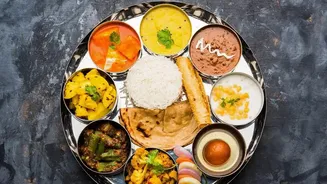
For generations, Indian festivals have been synonymous with indulgence, often involving sweets rich in sugar and refined flour. Today, a significant shift is underway, driven by a growing awareness of health and wellness. With rising instances of lifestyle
diseases, consumers are becoming more mindful about their dietary choices, even during celebrations. According to reports, a large percentage of Indian consumers now prioritize nutrition when making festive food purchases. This has created a burgeoning market for healthier alternatives that don’t compromise on taste, with many people now preferring to gift and receive nutritious options like nuts, seeds, and, increasingly, millet-based products.
Millets: A Nutritional Powerhouse Returns
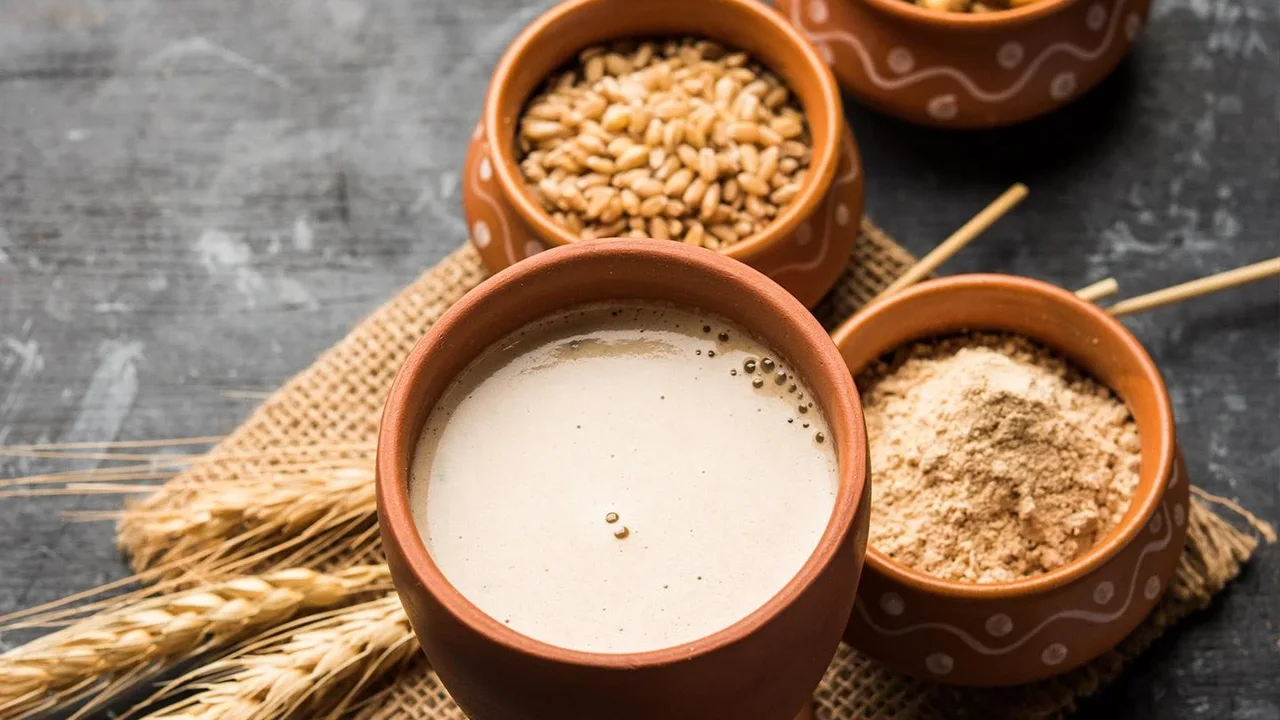
Millets are not new to the Indian diet; they were staple grains for millennia before the Green Revolution prioritized wheat and rice. Their resurgence is tied to their impressive nutritional profile. Grains like ragi (finger millet), jowar (sorghum), and bajra (pearl millet) are naturally gluten-free, rich in fibre, protein, and essential minerals like iron and calcium. Their lower glycemic index compared to refined flour helps in managing blood sugar levels, a key concern for many. The United Nations declaring 2023 as the International Year of Millets further amplified awareness, repositioning these 'nutri-cereals' from 'forgotten grains' to 'superfoods' in the public consciousness.
From 'Coarse' Grain to 'Gourmet' Treat
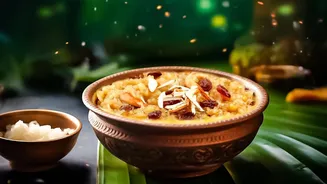
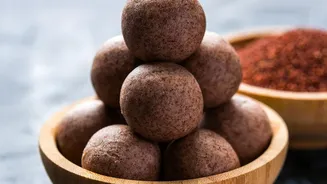
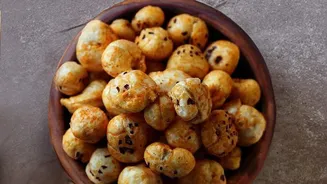
The real revolution, however, lies in the 'gourmet' transformation. Innovative brands and home chefs are recasting millets, once considered 'coarse', into sophisticated and desirable festive fare. Think of crispy ragi murukku, jowar chivda, foxtail millet cookies, and even millet-based versions of Mysore pak and laddoos. These products often feature premium ingredients, are sweetened with natural alternatives like jaggery or dates, and come in beautiful, gift-ready packaging. This premium positioning allows consumers to indulge their festive spirit and make a health-conscious choice simultaneously, bridging the gap between tradition and modern wellness aspirations.
A Blend of Tradition and Innovation
What makes these millet snacks so appealing is that they aren't trying to erase tradition, but rather reinvent it. Many of the formats are familiar, such as chakli, laddoos, and sev, but with a healthier ingredient base. For example, a ragi laddoo offers the same comforting, bite-sized experience as a traditional one but with the added benefits of calcium and fibre. This approach allows consumers to enjoy cherished festive flavours and rituals without the associated guilt. It’s a movement that respects culinary heritage while adapting it for a new generation of health-aware families.
The Market Responds with Gusto
The food industry has been quick to capitalize on this trend. The Indian healthy snacks market is growing at a significant rate, with projections showing it will be worth billions in the coming years. A host of startups and established brands are launching millet-focused product lines, from savoury snacks to sweet mithai. These products are increasingly available not just in niche health stores but also on major e-commerce and quick-commerce platforms, making them accessible to a wide urban audience. This accessibility, combined with strong consumer demand for 'better-for-you' products, is cementing millets' place in the festive market.