







What Makes an Infrared Sauna Different?
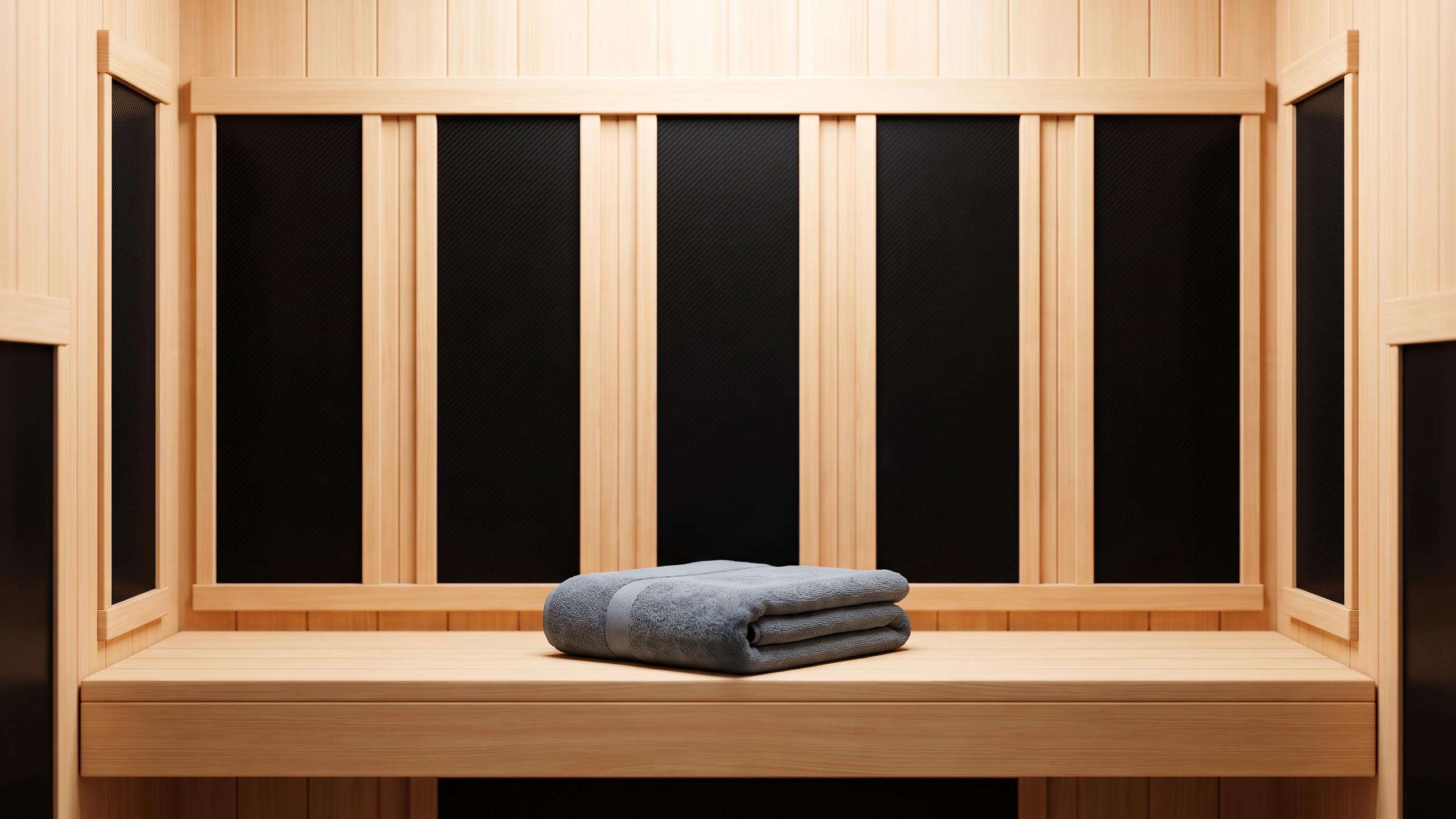
Unlike a traditional sauna that heats the air around you to very high temperatures, an infrared sauna uses special lamps to emit infrared light. This light penetrates your skin and heats your body directly from the inside out. The result is a much lower
ambient temperature, typically between 49°C and 70°C, compared to the 80°C to 100°C of a conventional sauna. Many people find this lower temperature more comfortable and easier to tolerate for longer periods, allowing them to enjoy a deep, detoxifying sweat without the intense, almost suffocating heat of a traditional steam or dry sauna. The core idea is to warm the body's tissues directly, creating a different kind of therapeutic experience.
A Gentle Boost for Your Heart
One of the most compelling benefits of infrared sauna use is its potential impact on cardiovascular health. When your body absorbs the infrared heat, your core temperature rises, causing your heart rate to increase and your blood vessels to widen. This process, known as vasodilation, improves circulation and can temporarily lower blood pressure after a session. Some studies have found that the cardiovascular response to a session in an infrared sauna is similar to that of a moderate-paced walk. This makes it a potentially valuable tool for individuals who may have limitations on their ability to perform traditional exercise. Research, though still growing, suggests regular use may be linked with improvements in conditions like high blood pressure and congestive heart failure. Japanese studies have shown that daily infrared therapy can improve the function of the endothelium, the delicate lining of our blood vessels.
Soothing Sore and Aching Muscles
For anyone from dedicated athletes to weekend warriors, muscle recovery is key to consistent performance. Infrared saunas can play a significant role in this process. The deep-penetrating heat helps boost blood flow, delivering more oxygen and nutrients to tired or damaged muscle tissues. This enhanced circulation can help reduce inflammation and speed up the body's natural repair processes. Studies have shown that using an infrared sauna after a workout can help reduce delayed onset muscle soreness (DOMS)—that familiar ache you feel a day or two after a tough session. By relaxing tight muscles and flushing out metabolic byproducts, a session can leave you feeling more limber and ready for your next activity.
Beyond the Main Benefits
While cardiac and muscle benefits are significant, users report other perks as well. The deep sweating induced by infrared heat is believed to help with detoxification, though more research is needed to fully substantiate these claims. Many people also find the experience deeply relaxing, as the gentle warmth helps calm the nervous system and reduce stress. This can have a positive knock-on effect on sleep quality. The infrared light itself is a natural part of the sun's spectrum, without the harmful UV rays, and is considered safe for the skin. In fact, the same type of heat is used in incubators for newborns.
What to Know Before You Sweat
While infrared saunas are generally considered safe for most healthy adults, it's important to take precautions. The most critical rule is to stay hydrated, so be sure to drink plenty of water before, during, and after your session to replenish fluids lost through sweat. Start with shorter sessions of 10-15 minutes at a lower temperature and gradually work your way up as you become more accustomed to the heat. Most sessions last between 20 to 45 minutes. If you have any underlying health conditions, particularly cardiovascular issues like unstable heart disease or low blood pressure, or if you are pregnant, it is essential to speak with your doctor before trying an infrared sauna.