







The Details of the Hike
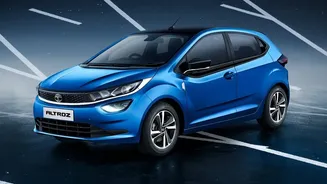
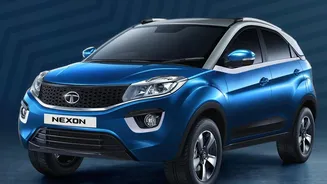
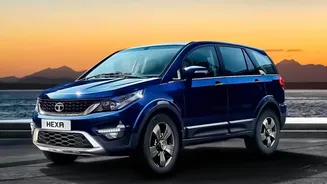
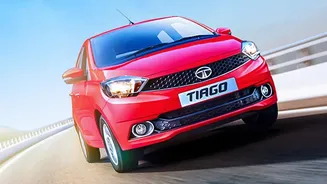
Tata Motors Passenger Vehicles (TMPV) has officially announced a price increase of up to ₹25,000 across its entire passenger vehicle portfolio, effective September 1, 2026. This revision affects all models, including popular internal combustion engine
(ICE) cars like the Punch, Nexon, Altroz, and Harrier, as well as the company's growing range of electric vehicles (EVs). The company has stated that the price adjustment will vary depending on the specific model and variant. This means that while some top-end variants might see the full ₹25,000 increase, the hike on entry-level models will likely be lower. This is the third time Tata has increased prices in 2026, following previous hikes in April and July, highlighting a consistent trend of rising costs in the automotive sector.
Why Are Prices Going Up Again?
The primary reason cited by Tata Motors for this price revision is the need to partially offset rising input costs and sustained inflationary pressures. Carmakers are dealing with higher prices for raw materials and commodities, which are essential for manufacturing. The company noted that while it has been absorbing a significant portion of these increased costs to protect customers, it has become necessary to pass on some of the financial burden. This is not an issue unique to Tata. Other major players like Maruti Suzuki and Hyundai have also announced price hikes for similar reasons, pointing to an industry-wide challenge. Factors such as geopolitical uncertainty and disruptions in global trade have contributed to making car production more expensive.
What This Means for Your Wallet
An increase of up to ₹25,000 might not seem monumental on its own, but it directly affects the on-road price and, consequently, your loan and monthly payments. For a prospective buyer, this hike could mean a higher down payment is needed to maintain a desired EMI level. Alternatively, if your down payment is fixed, your monthly EMI will increase. For example, on a five-year loan, an extra ₹25,000 in the principal amount can add a few hundred rupees to your monthly outgo, translating to thousands over the entire loan tenure. This cumulative effect, combined with the previous two price hikes in 2026, means a car you were considering in January is now significantly more expensive.
Your Game Plan Before September
If a Tata car is on your shopping list, you have a small window to act. Customers who book their vehicle before September 1 may be able to secure it at the current, pre-hike price. However, this can depend on individual dealership policies and booking dates, so it's crucial to get written confirmation. Contact your local Tata dealership immediately to understand their price protection policy on bookings made in August. It's also a good time to check for any existing stock at the dealer level, as they might be keen to clear inventory before the new prices kick in. Don't just focus on the ex-showroom price; negotiate on insurance, accessories, and extended warranties to maximise your savings.
The Bigger Market Picture
With Tata, Maruti Suzuki, and Hyundai all raising prices, it's clear that the era of deep discounts may be pausing as automakers focus on protecting their profit margins. This industry-wide trend suggests that waiting for prices to drop may not be a successful strategy in the short term. For buyers, this means the overall cost of car ownership is on an upward trajectory. While Tata has stressed that it has structured the hike to maintain the value proposition of its models, the increased prices could make some competing models from other brands appear more attractive. The coming festive season may bring some offers, but they might only partially offset these fundamental price increases rather than eliminate them.