



More Than Just Bad Breath
The first sign many owners notice is bad breath, but this is already an indicator that bacteria are building up. Pets are experts at hiding pain, so owners must watch for subtle clues. Changes in behaviour, like shying away from head pats, dropping food
while eating, chewing on only one side of the mouth, or a sudden loss of appetite could signal dental discomfort. Other signs include excessive drooling, pawing at the mouth, and visibly red or bleeding gums. While yellow or brown tartar on the teeth is a clear sign, the most significant damage happens out of sight.
The Dangers of Hidden Decay
Periodontal disease, an infection of the tissues holding teeth in place, is the most common dental issue in pets. It begins when invisible bacterial plaque builds up below the gumline, causing inflammation. If left untreated, this oral infection doesn't just stay in the mouth. Bacteria can enter the bloodstream through the damaged gum tissue and travel to vital organs. This has been linked to serious systemic health problems, including infections in the heart, and damage to the kidneys and liver, complicating your pet's overall health and quality of life.
What a Professional Exam Reveals
A regular veterinary check-up involves a basic look at the teeth and gums, but a comprehensive dental exam is much more thorough. To truly assess your pet's oral health, a vet needs to see what’s happening beneath the gumline. This requires anaesthesia, which allows for a safe and pain-free procedure. While your pet is safely sedated, the veterinary team can use a probe to measure pockets between the gums and teeth, where disease hides. Crucially, it allows them to take dental X-rays, which are essential for spotting root infections, bone loss, and abscesses that are impossible to see otherwise.
Demystifying Dental Cleanings
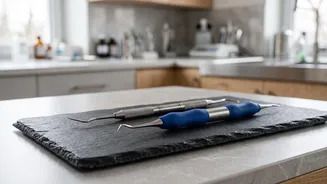
Many owners worry about anaesthesia, but modern veterinary protocols make it very safe. Pre-anaesthetic blood tests are performed to ensure your pet's organs can process the medication, and a dedicated technician monitors their vitals throughout the entire procedure. The risk from untreated, chronic dental infection is often far greater than the risk of a monitored anaesthetic procedure. Once sedated, the vet uses special tools to remove hardened tartar from above and below the gumline. Afterwards, the teeth are polished to create a smooth surface, which helps slow future plaque buildup. This process cannot be safely or effectively done on an awake animal.
Prevention Starts at Home
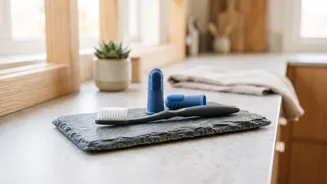
While professional cleanings are critical, what you do at home makes a huge difference. Regular brushing is the most effective way to remove daily plaque buildup. If your pet won't tolerate brushing, talk to your vet about other options. There are dental diets, water additives, and specially designed chews that are proven to help reduce tartar. Look for products with the Veterinary Oral Health Council (VOHC) seal of approval, which indicates they have been tested and shown to be effective. However, these home-care methods are meant to complement, not replace, professional exams and cleanings.