


First, A Word On Lonavala
Before we dive into the alternatives, it’s important to understand Lonavala’s role. Situated in the lush Western Ghats mountain range between Mumbai and Pune, it became a beloved retreat during the British Raj. Today, its accessibility makes it the default
choice for families and young people looking for a quick break from city life. The result? Traffic-clogged roads, crowded viewpoints, and an atmosphere that can feel more commercial than calming. You’ll find stalls selling chikki (a local peanut brittle), plenty of hotels, and lines for popular selfie spots. It’s not that Lonavala is bad; it’s just that it’s often loved to death. For an American traveler with limited time in India, your vacation days are precious. You can do better.
For True Serenity: Bhandardara
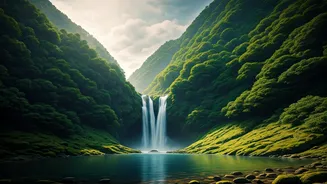
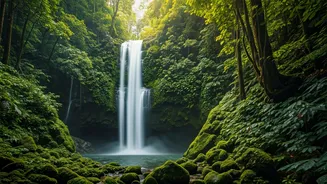
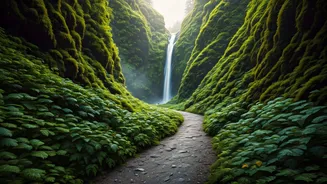
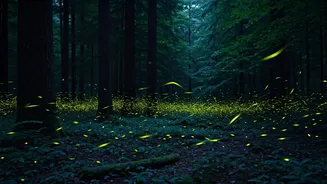
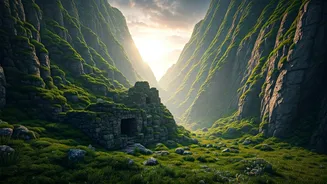
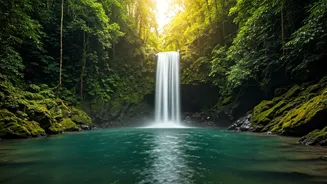
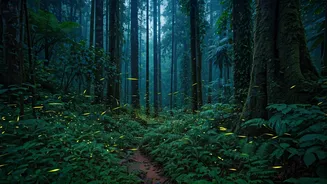
If your goal is to trade urban chaos for pristine nature, Bhandardara is your answer. Located about a three-hour drive from Lonavala, this lakeside village feels a world away. Its centerpiece is the stunning Arthur Lake, formed by the Wilson Dam, one of India’s oldest. Unlike the bustling dam sites near Lonavala, this area is tranquil and largely undeveloped. You can trek to the historic Ratangad Fort, feel the spray of the mighty Umbrella Falls during the monsoon season, or simply rent a small boat and drift on the lake. In early summer, the region is famous for its mesmerizing firefly festival, where millions of insects light up the forests in a display of natural magic. It’s quiet, it’s beautiful, and it’s the perfect antidote to a crowded itinerary.
For The Adrenaline Junkie: Kamshet
Just a short drive from Lonavala, Kamshet offers a dramatically different kind of thrill. While Lonavala’s idea of adventure might be a go-kart track, Kamshet is a premier destination for paragliding. Imagine soaring like a bird over a patchwork of green fields, serene lakes, and ancient Buddhist cave temples carved into the hillsides. The flying season typically runs from October to May, and numerous certified schools offer tandem flights for beginners, making it accessible to anyone with a taste for heights. The vibe here is less about family picnics and more about a community of adventure enthusiasts. Instead of battling crowds for a view, you can get a panoramic one from 2,000 feet in the air. It’s an unforgettable experience that makes a drive-by viewpoint feel utterly pedestrian.
For The Monsoon Chaser: Malshej Ghat
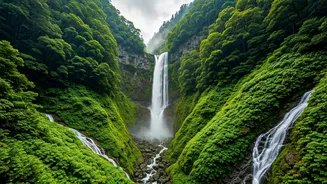
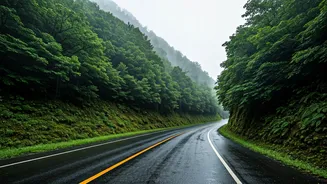
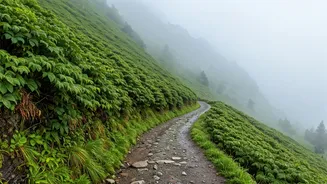
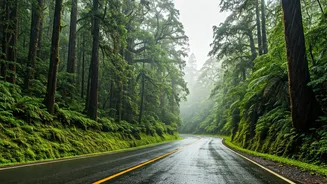
If you’re traveling to India during the monsoon (June to September), the Western Ghats transform into a spectacle of emerald green hills and cascading water. While Lonavala gets its share, Malshej Ghat takes it to another level. This mountain pass becomes a dreamscape of mist-covered roads, roaring waterfalls that spill directly onto the highway, and dramatic cliffs shrouded in clouds. Driving through Malshej Ghat during a downpour is an experience in itself—a raw, powerful display of nature. It’s a favorite among bikers and road-trippers from Mumbai and Pune for this very reason. The area is also a biodiversity hotspot, attracting flamingoes and other migratory birds to its lakes after the rains. It offers the drama and beauty of the Indian monsoon without the tourist infrastructure overload.
For Rustic Charm: Karjat
For those who want a simple, grounded escape, Karjat provides a dose of rural authenticity. Closer to Mumbai than the other spots on this list, it’s become a hub for farm stays and wellness retreats. Here, the focus is on slowing down. You can stay in a restored farmhouse, learn about organic farming, hike to smaller, less-frequented forts, or try river rafting on the Ulhas River. Karjat isn’t about grand vistas or extreme sports; it’s about reconnecting with a quieter, more pastoral way of life. It’s the perfect choice for travelers who want to experience the Indian countryside and enjoy farm-to-table meals without having to venture too far from the city. It’s a reset button, not a tourist trap.