




The Challenge of Public Spaces
For countless women across India's metropolitan areas, the desire to stay active often clashes with the reality of public spaces. Concerns about safety, including harassment, unwanted attention, and judgmental stares, are significant deterrents. Studies
and anecdotal reports consistently show that women modify their behaviour—choosing specific times of day, altering their clothing, or avoiding certain areas altogether—just to feel safe while exercising. This mental load can turn a stress-relieving activity into a source of anxiety, leading many to abandon outdoor fitness entirely or feel confined to indoor, often expensive, alternatives like private gyms. The issue isn't just about physical safety; it's also about psychological comfort and the right to exist in public without being scrutinised.
Safety in Numbers
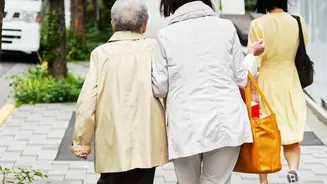
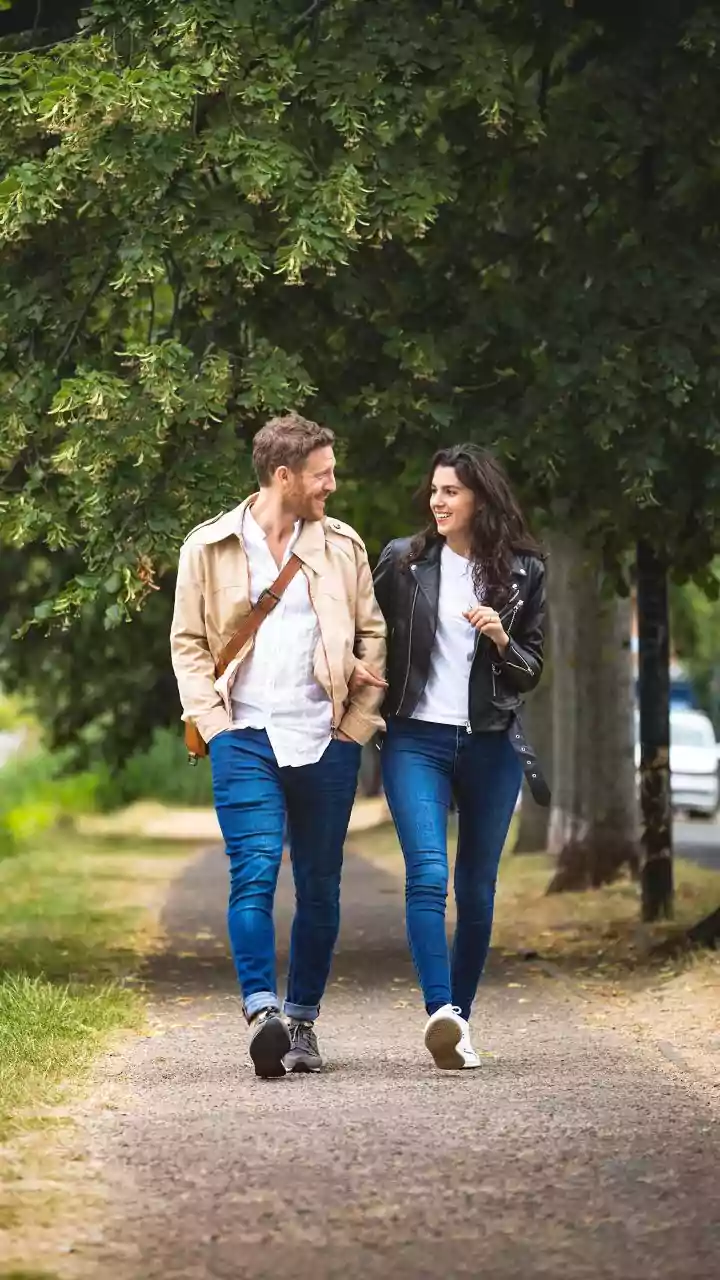
Urban walking groups tackle this primary concern head-on through the simple power of solidarity. The principle of 'safety in numbers' is a powerful deterrent to potential harassment. Walking as a collective makes women less vulnerable and transforms their presence from a target into a community. Many groups further enhance safety by planning their routes in advance, choosing well-lit paths, and maintaining a pace that keeps everyone together. The shared vigilance means members look out for one another, creating a mobile bubble of security. This collective presence allows women to reclaim parts of their city and times of the day they might otherwise avoid, such as early mornings or evenings after work.
An Inclusive Fitness Model
Beyond safety, these walking groups offer a refreshingly inclusive approach to fitness. Unlike competitive sports or intimidating gym environments dominated by complex equipment, walking is accessible to nearly everyone, regardless of age or current fitness level. There is no pressure to perform or keep up with an intense pace; the focus is on movement, not mastery. This welcoming atmosphere encourages participation from women who might feel self-conscious in other fitness settings. It creates a judgment-free zone where the goal is personal well-being, not aesthetic perfection. This makes it a sustainable and enjoyable form of exercise that women are more likely to stick with.
More Than a Workout
While the initial motivation might be fitness, the benefits of these groups extend far beyond physical health. They have become crucial spaces for building social connections and fostering a sense of community. In the hustle of urban life, where making genuine friends as an adult can be difficult, these groups provide a structured yet informal way to meet like-minded people. The conversations that flow during a walk can be as therapeutic as the exercise itself. Members share stories, offer advice, and build support networks that often extend into other areas of their lives. This social aspect is a powerful motivator, turning a solitary fitness routine into a cherished social ritual that boosts mental and emotional health.
Building Confidence and Community
Ultimately, the rise of women's walking groups is about more than just walking. It's a quiet revolution of reclaiming public space and asserting women's right to visible, joyful, and safe recreation. Each group walk sends a message that women belong in the open, on their own terms. The confidence gained from navigating the city safely with a supportive crew often translates into other parts of life. Initiatives like 'Women Walk At Midnight' in cities like Noida are powerful examples of this, directly challenging the unwritten rules that dictate when and where women should be. These groups are not just creating safe fitness environments; they are building resilient communities and empowering their members one step at a time.