



The End of the Volume-Led Wardrobe
For years, the mantra for many shoppers was 'more is more'. Driven by the accessibility of fast fashion and a constant cycle of trends, wardrobes expanded with pieces that were often worn only a handful of times. However, a significant shift in consumer
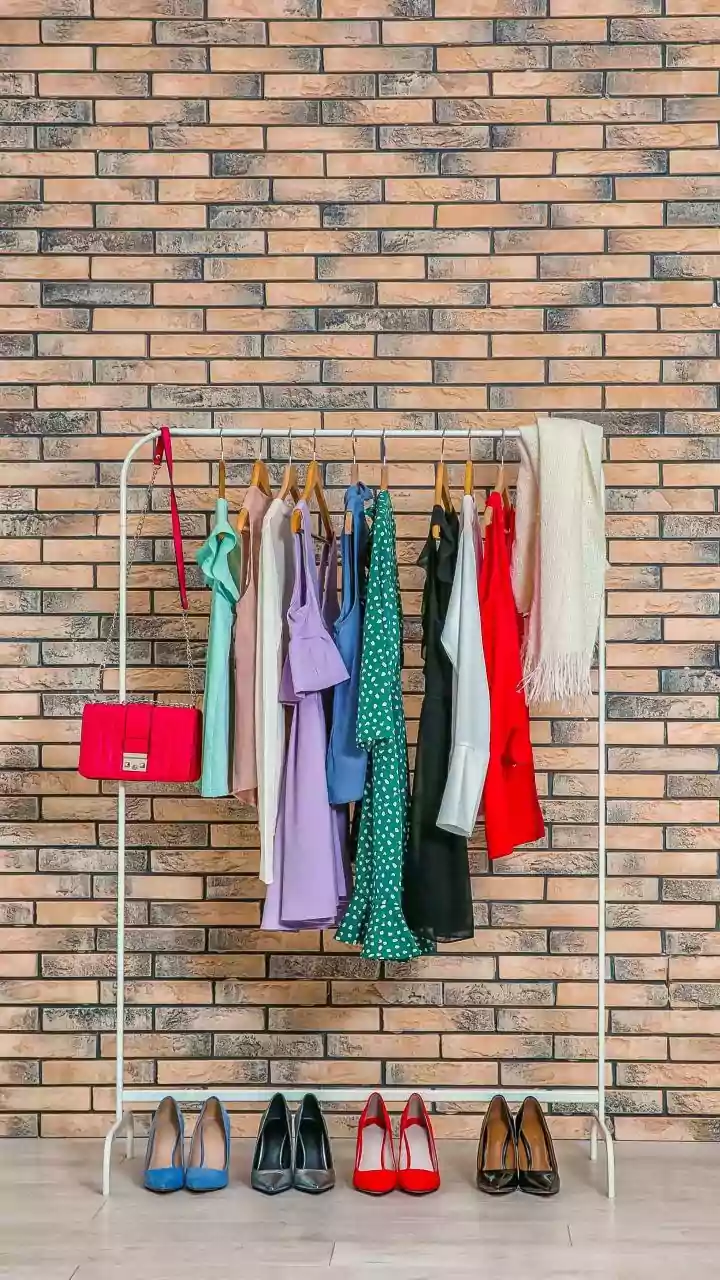
mindset is underway. Reports show that Indian consumers are moving away from volume-led buying towards more intentional, quality-driven consumption. This change signals a maturing market where shoppers are no longer chasing fashion just for visibility but are seeking longevity and confidence in their purchases. The familiar feeling of having a closet packed with clothes but 'nothing to wear' is prompting many to rethink their relationship with what they own.
Why Quality is the New Currency
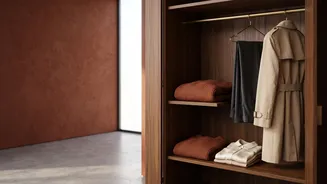
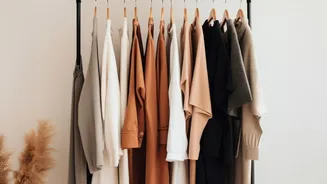
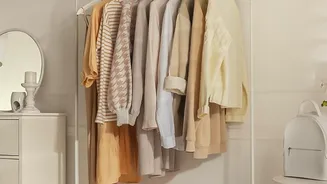
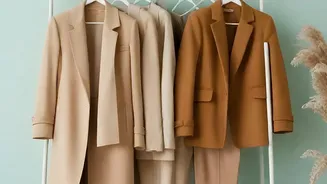
Several factors are driving this 'less but better' philosophy. A growing awareness of sustainability is a major influence, with consumers becoming more informed about the environmental and social costs of the fast fashion industry. Younger shoppers, in particular, are leading this charge, preferring to invest in brands with transparent and ethical practices. Beyond environmental concerns, there is a strong economic argument. Consumers are looking for tangible value—superior craftsmanship, durability, and timeless design—to justify their spending. This has led to the rise of the 'capsule wardrobe', a curated collection of versatile essentials that can be mixed and matched, which is both pocket-friendly and sustainable. This approach isn't about restriction; it's about making smarter, more meaningful choices.
A Return to Indian Roots
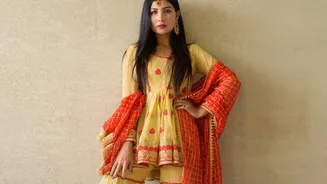
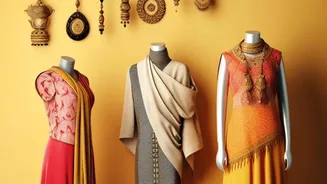
This movement is also deeply connected to India's rich textile heritage, which is inherently 'slow'. Before fast fashion, India's clothing traditions were built on skill and craftsmanship, designed to last for generations. Think of handloom weaving, block printing, and natural dyeing—practices that are the very definition of slow, sustainable production. A new generation of homegrown designers is reviving these traditions, blending them with contemporary styles. They are creating pieces that tell a story, connecting the wearer to the artisan and the craft. This return to roots resonates with consumers who are seeking authenticity and a deeper connection to their cultural identity.
Building a Wardrobe That Works
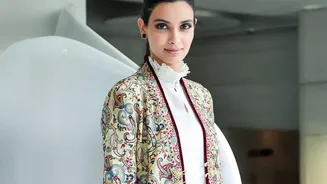
So what does a modern, high-wear Indian wardrobe look like? It is not about a sterile collection of minimalist basics. It is a thoughtful blend of classic Western staples, like a crisp white shirt or well-fitted denim, and timeless Indian pieces. A handloom saree, for example, is now seen not just for occasions but as a versatile garment that fits into a minimalist wardrobe. The focus is on adaptability and personal style over fleeting trends. It includes investing in an 'affordable premium' segment, where brands offer superior quality and craftsmanship without the luxury price tag. This sweet spot is one of the fastest-growing segments in the Indian market, reflecting a clear demand for pieces that are built to last.