

Finding an exercise routine you can stick with is the ultimate fitness goal. Yoga and dance are two popular paths, but they appeal to different personalities. Understanding their core differences is key to choosing the one you'll love for years.
The Mind-Body Connection: Internal vs. External
Both yoga
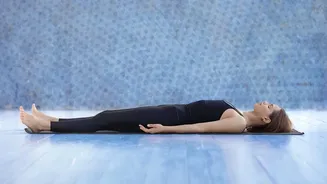
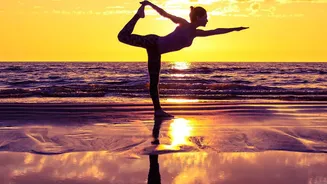
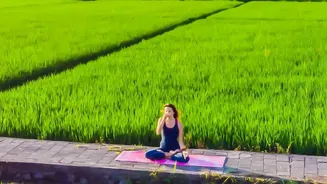
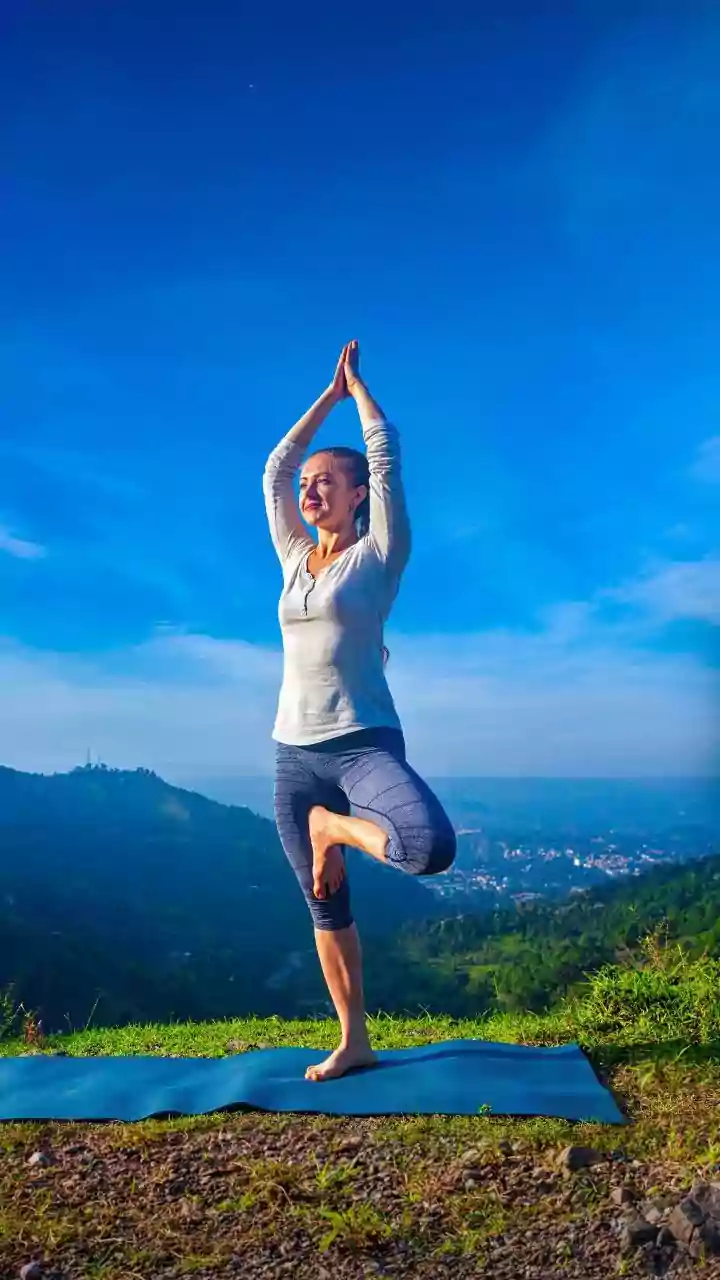
and dance are celebrated for fostering a strong mind-body connection, but they approach it from opposite directions. Yoga is primarily an internal, meditative practice. The focus is on your inner world: the sensation of a stretch, the rhythm of your breath, and the calming of your mind. Progress is personal and often un-seen, measured in feelings of peace, balance, and deeper physical awareness. It's about performing for yourself, not an audience.Dance, on the other hand, is largely external and expressive. The mind-body link is channelled outwards through movement, rhythm, and often, emotion. It's about responding to music and, in many cases, interacting with others. The joy comes from mastering choreography, moving with creative freedom, and sharing a high-energy experience. This makes it a powerful outlet for stress relief through social fun and physical exertion.
Structure vs. Spontaneity: The Class Environment
Your preference for structure or spontaneity can heavily influence whether you stick with yoga or dance. Yoga classes are typically structured and predictable. An instructor guides you through a series of poses, offering corrections focused on alignment and preventing injury. The environment is often quiet and introspective, with participants moving together but focused on their own mats. This appeals to those who find comfort in routine and value clear guidance for self-improvement.Dance fitness classes, from Zumba to Bollywood, thrive on energy and spontaneity. While there is choreography to follow, the atmosphere is more akin to a party. The focus is less on perfect form and more on keeping up, having fun, and letting go. This highly social environment, filled with music and laughter, can be a powerful motivator for those who are energised by group dynamics and find structured exercise boring.
Physical Goals: Flexibility or Cardio?
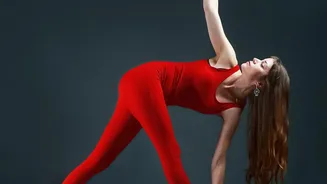
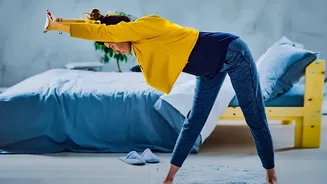
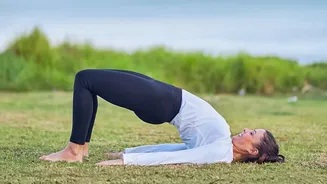
While both offer a full-body workout, their primary physical benefits differ. Yoga is unparalleled for developing flexibility, balance, and stability. Holding poses builds lean muscle and core strength in a low-impact way, which is excellent for improving posture and preventing injury. While some faster-paced styles like Vinyasa or Power Yoga can raise your heart rate, cardiovascular endurance is not the main goal.Dance is a cardiovascular powerhouse. Most forms of dance fitness will elevate your heart rate, burn a significant number of calories, and boost your stamina. It's an effective option for weight management and improving heart health. Dance also enhances coordination and agility as you learn to move your body in complex sequences. While it does improve flexibility, it generally doesn't offer the same deep, focused stretching as a dedicated yoga practice.
Motivation and Consistency: What Keeps You Coming Back?
Ultimately, the best exercise is the one you do consistently, and research shows that enjoyment is a primary factor in adherence. If you are intrinsically motivated by personal growth, mindfulness, and a sense of calm, the introspective nature of yoga is more likely to become a sustainable habit. The feeling of progress is subtle and personal—a deeper stretch, a longer held balance, a quieter mind—which can be deeply rewarding.Conversely, if you are motivated by external energy, social connection, and pure fun, you will likely find it easier to stick with dance. The accountability of a group and the mood-boosting power of music and laughter can make exercise feel less like a chore and more like a social event. The 'dancer's high' from endorphins provides an immediate, tangible reward that keeps you excited for the next class.