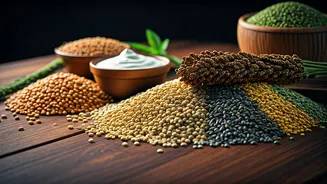




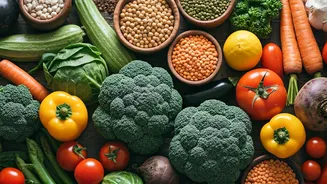


A Return to Traditional Wisdom
For generations, Indian households planned their meals around the seasons. [3] Our grandparents knew what to eat in the summer to stay cool and what to cook in the winter for warmth, all without needing complex diet charts. [3] This wisdom was based on what was freshly
and locally available. However, with modern supermarkets offering every kind of produce year-round, this connection was temporarily lost. [2] Now, a growing movement of chefs, nutritionists, and health-conscious individuals is reviving this practice, recognising that nature often knows best. [15, 20]
Peak Flavour and Peak Nutrition
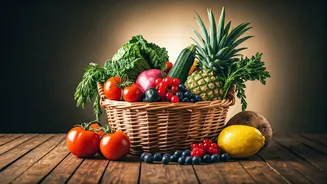
There's a simple reason seasonal food tastes better: it’s harvested at its peak. [6] A tomato ripened on the vine in its natural season has a depth of flavour that a cold-stored, artificially ripened version can't match. [6] This peak ripeness also means peak nutrition. [4] Studies show that seasonal fruits and vegetables contain higher levels of vitamins, minerals, and antioxidants compared to their out-of-season counterparts. [2] Produce that is transported long distances often loses nutritional value along the way, whereas fresh, seasonal food offers the most potent health benefits. [6, 14]
Good for You and Your Budget
Eating seasonally is not only healthier but also more economical. When produce is in season, it's abundant, which drives down the cost. [8] Farmers can harvest in bulk, and the need for expensive long-distance transportation and cold storage is eliminated. [8, 13] This means you get fresher, tastier food for a lower price. [6] By choosing what is plentiful at your local sabziwala or mandi, you support local farmers and your own financial well-being. [13]
Monsoon Bounty: What to Enjoy Now
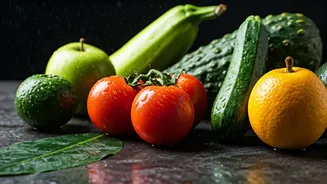
As the monsoon rains arrive from June to September, nature offers a specific bounty to help our bodies cope with the humidity and increased risk of infections. [7, 10] This is the time to enjoy gourds like bitter gourd (karela), bottle gourd (lauki), and ridge gourd (turai). [2, 5] These vegetables are light and easy to digest. [20] Other stars of the season include corn (bhutta), lady's finger (bhindi), and colocasia (arbi). [5, 11] For fruits, look for jamun, plums, pears, and pomegranates, which are rich in Vitamin C and antioxidants that bolster the immune system during this damp season. [9, 10]
How to Embrace Seasonal Eating
Making the switch to seasonal eating is simpler than it sounds. Start by observing what your local vegetable vendor has in abundance. Supermarkets often blur the lines of seasonality, but local markets are a true reflection of the current harvest. [2] Build your meal plans around these ingredients. This approach not only diversifies your diet but also improves your gut health by introducing a variety of fibres and nutrients throughout the year. [2] Instead of seeking out a specific vegetable for a recipe, try finding a recipe that uses the seasonal produce you just bought. It’s a small shift in perspective that can make your meals more delicious, nutritious, and sustainable.